Iraq Clarifies: Hezbollah and Houthis Removed from Terrorist Listings After Official Error
Baghdad issues urgent correction to previous designation, raising questions over enforcement and Iran-backed networks inside Iraq
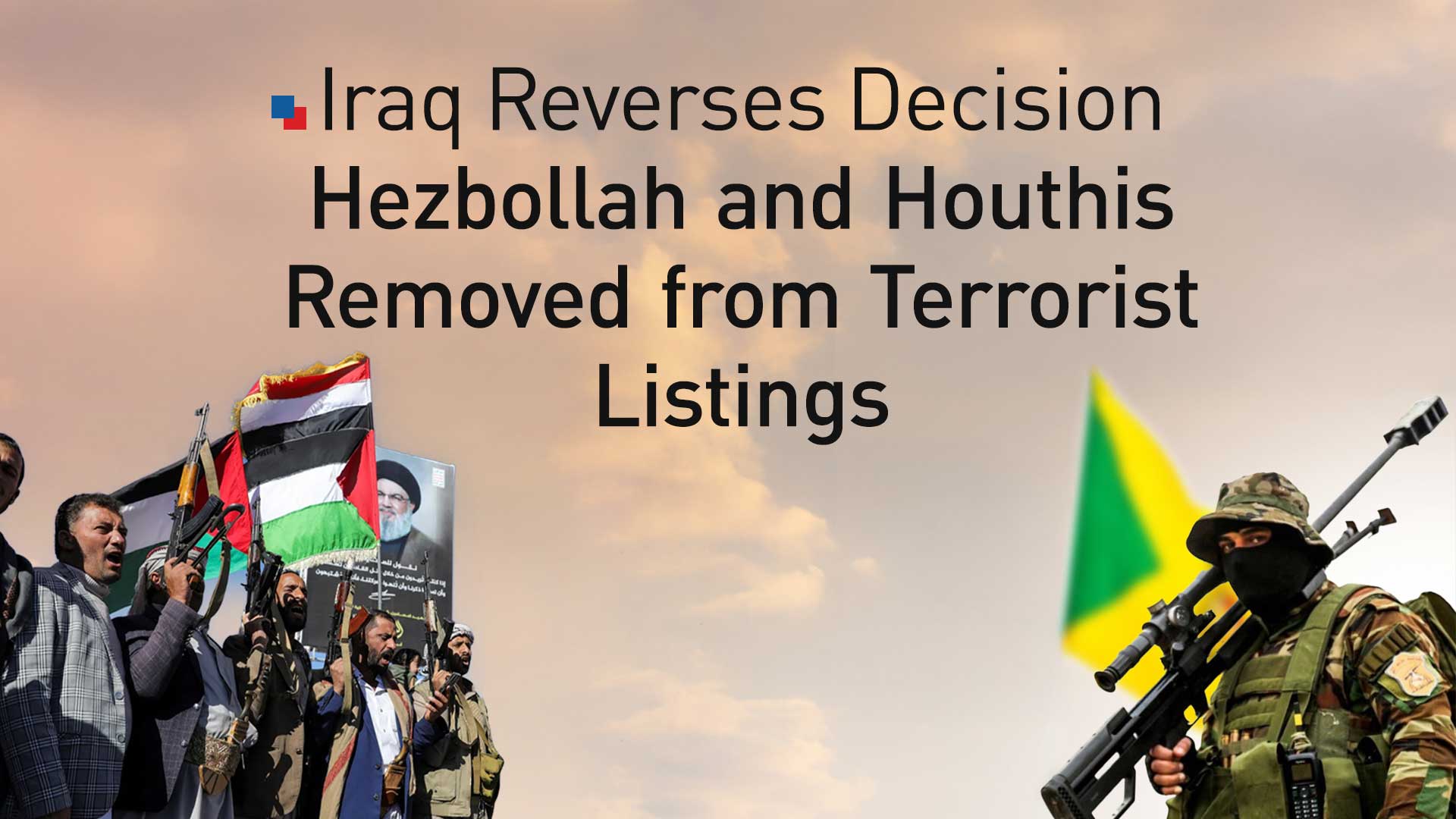
ERBIL (Kurdistan24) — Iraq has issued an urgent clarification on Thursday reversing its earlier decision to list Lebanon’s Hezbollah and Yemen’s Houthis (Ansar Allah) as terrorist organizations, following the publication of an official government gazette that mistakenly included the groups in its counterterrorism freeze list.
According to a directive dated December 4, 2025, from the Central Bank of Iraq’s Governor’s Office, paragraphs 18 and 19 of the previously published Terrorist Funds Freeze Committee decision were included in error.
The acting deputy governor, Prof. Dr. Ammar Hamad Khalaf, who also chairs the committee, instructed the General Secretariat of the Council of Ministers to immediately issue a public clarification, emphasizing that the committee did not approve the freezing of funds belonging to Hezbollah or the Houthis.
The reversal comes just weeks after issue No. 4848 of the official gazette, published on November 17, 2025, had listed Hezbollah and the Houthis as entities involved in “participation in committing a terrorist act.”
The initial listing marked a rare and politically significant move, given Iraq’s historically close ties with Tehran and Iran’s long-standing support for both groups with funding, training, and weapons.
At the time, the listing raised questions about the fate of Hezbollah- and Houthi-linked networks operating inside Iraq. Both groups are known to maintain support offices, logistical channels, and members affiliated with Iran-aligned militias, including factions within the Popular Mobilization Forces (PMF).
Observers warned that closing these networks or taking legal action could trigger resistance from entrenched Iran-backed factions and deepen domestic political tensions.
The Central Bank’s correction highlights the sensitivity and complexity of designating foreign armed groups in Iraq, where political fragmentation and the influence of regional powers make such decisions fraught.
While the initial publication suggested Iraq was willing to take a rare stand against Iran-backed groups, the clarification underscores how carefully Baghdad must navigate internal alliances and international expectations.
Legal and political observers note that the incident demonstrates the importance of accuracy in terrorism financing lists, given the potential consequences for financial institutions, law enforcement, and Iraq’s diplomatic standing.
For now, Hezbollah and the Houthis remain off Iraq’s official terrorist funding lists, and the government has yet to signal whether it will pursue any future designation or maintain its current cautious approach.
The episode reflects the tightrope Baghdad must walk between asserting sovereignty, complying with international standards, and managing internal political and regional pressures.