Iraqi PM Orders Urgent Probe Into Erroneous Terror Listing of Hezbollah and Houthis
The government’s rapid U-turn underscores the complexity of terrorism financing designations in Iraq, where political fragmentation and the influence of regional power dynamics make such decisions extraordinarily sensitive.
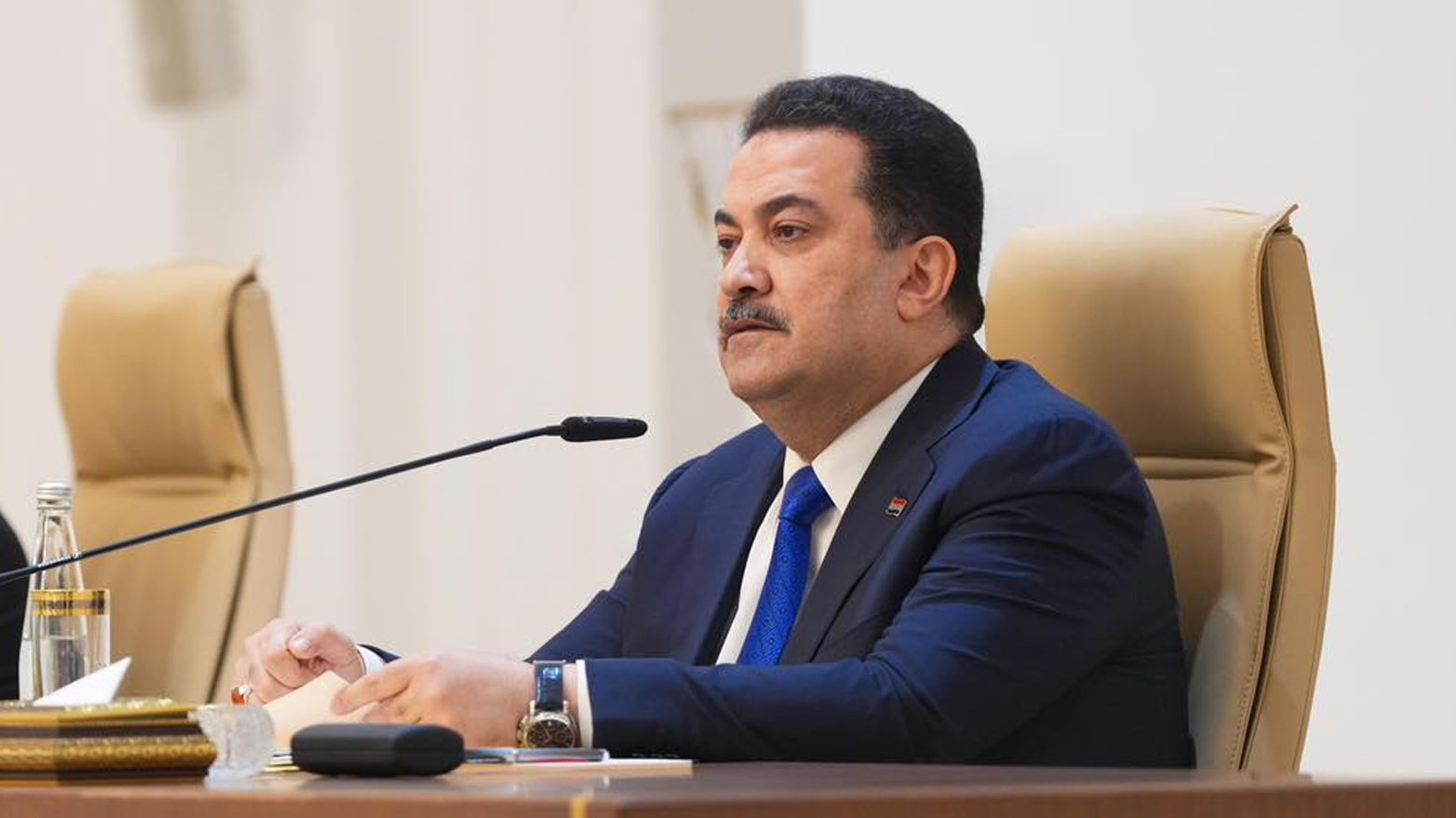
ERBIL (Kurdistan24) — Iraq’s Prime Minister Mohammed Shia al-Sudani on Thursday ordered an urgent investigation into what his office described as a serious error in an official counterterrorism decision that mistakenly listed Lebanon’s Hezbollah and Yemen’s Houthis (Ansar Allah) as terrorist entities.
In a strongly worded statement released on Thursday afternoon, al-Sudani directed authorities to “immediately determine responsibility and hold those at fault accountable” for the erroneous publication in the Nov. 17, 2025, edition of the Iraqi Official Gazette (Al-Waqa’i al-Iraqiya), issue No. 4848.
According to the statement, Iraq’s approval—submitted in response to a Malaysian request—was limited strictly to freezing funds tied to individuals and entities associated with ISIS and al-Qaeda.
The statement emphasized that the inclusion of Hezbollah and the Houthis, both of which are backed militarily and financially by Iran, did not reflect Iraq’s official position.
The Prime Minister’s Office stressed that the text published in the gazette “reflected positions that were not real,” prompting the need for immediate correction and accountability.
Government Reaffirms Its Political Stance
Al-Sudani’s office used the occasion to reaffirm Baghdad’s “principled political and humanitarian positions” regarding the crises in Lebanon and Palestine, stressing that Iraq’s stance against “aggression, occupation, genocide, and forced displacement” remains unchanged.
The statement asserted that no political actor “can outbid the Iraqi government” on its commitment to supporting the rights of peoples in Lebanon and Palestine to resist occupation and live with dignity, adding that these positions reflect “the will of the Iraqi people in all their unified components.”
At the same time, observers argue that the very inclusion of Lebanon’s Hezbollah and Yemen’s Houthis (Ansar Allah) in the original terror-financing list suggests the issue may already have been under consideration in recent discussions between Baghdad and Washington.
According to these assessments, the mistakenly published text may have represented a draft version that was undergoing internal review and pending final governmental approval before its premature release in the official gazette.
A Publication That Triggered Shockwaves
Earlier in the day, the Central Bank of Iraq confirmed that the listings of Hezbollah and the Houthis in the terrorist funds freeze list were made “inadvertently.”
In a confidential communication to the Council of Ministers, Prof. Dr. Ammar Hamad Khalaf, the acting deputy governor and head of the Terrorist Funds Freeze Committee, ordered an immediate clarification to the public, stating that the committee had not approved any measure to freeze the assets of the two groups.
The accidental listing had generated intense domestic and regional speculation due to the political sensitivity of naming Iran-backed groups as terrorist organizations.
Iraq’s political landscape includes powerful factions within the Popular Mobilization Forces (PMF) that maintain ideological or operational alignment with Hezbollah and the Houthis.
Following the initial publication, analysts questioned whether Baghdad was signaling a rare break from Tehran’s orbit.
The erroneous listing raised urgent questions about the possible fate of Hezbollah or Houthi-linked networks inside Iraq — including whether offices, financial channels, or affiliated members might face legal action.
Clarification Reverses One of the Year’s Most Surprising Policy Signals
The government’s rapid U-turn underscores the complexity of terrorism financing designations in Iraq, where political fragmentation and the influence of regional power dynamics make such decisions extraordinarily sensitive.
While the initial listing briefly suggested a historic shift in Iraq’s posture toward Iran-backed groups, the clarification reaffirms Baghdad’s careful approach to regional alliances and domestic stability.
Hezbollah and the Houthis remain off Iraq’s terrorist financing lists, and authorities have given no indication that they intend to revisit the issue.
Legal and financial experts note that the incident highlights the critical importance of accuracy in counterterrorism gazette publications, as such listings carry binding legal consequences for banks, financial institutions, and state bodies.
The government’s promise of an investigation suggests further accountability measures may follow — even as Baghdad continues to navigate the delicate balance between asserting institutional credibility, managing domestic political pressures, and maintaining strategic relations with Tehran.
For now, the controversy stands as one of the most politically charged bureaucratic errors in Iraq’s recent memory, reflecting both the volatility of the regional environment and the fragility of Iraq’s internal governance systems.