Syria’s FM: No Agreement with Israel Until Withdrawal from Occupied Territories
Syrian FM Asaad Hassan Shaibani stated Damascus will not agree to any deal with Israel until its forces withdraw from territories occupied since December 8, 2024, while noting the US now classifies Syria as a "partner state."
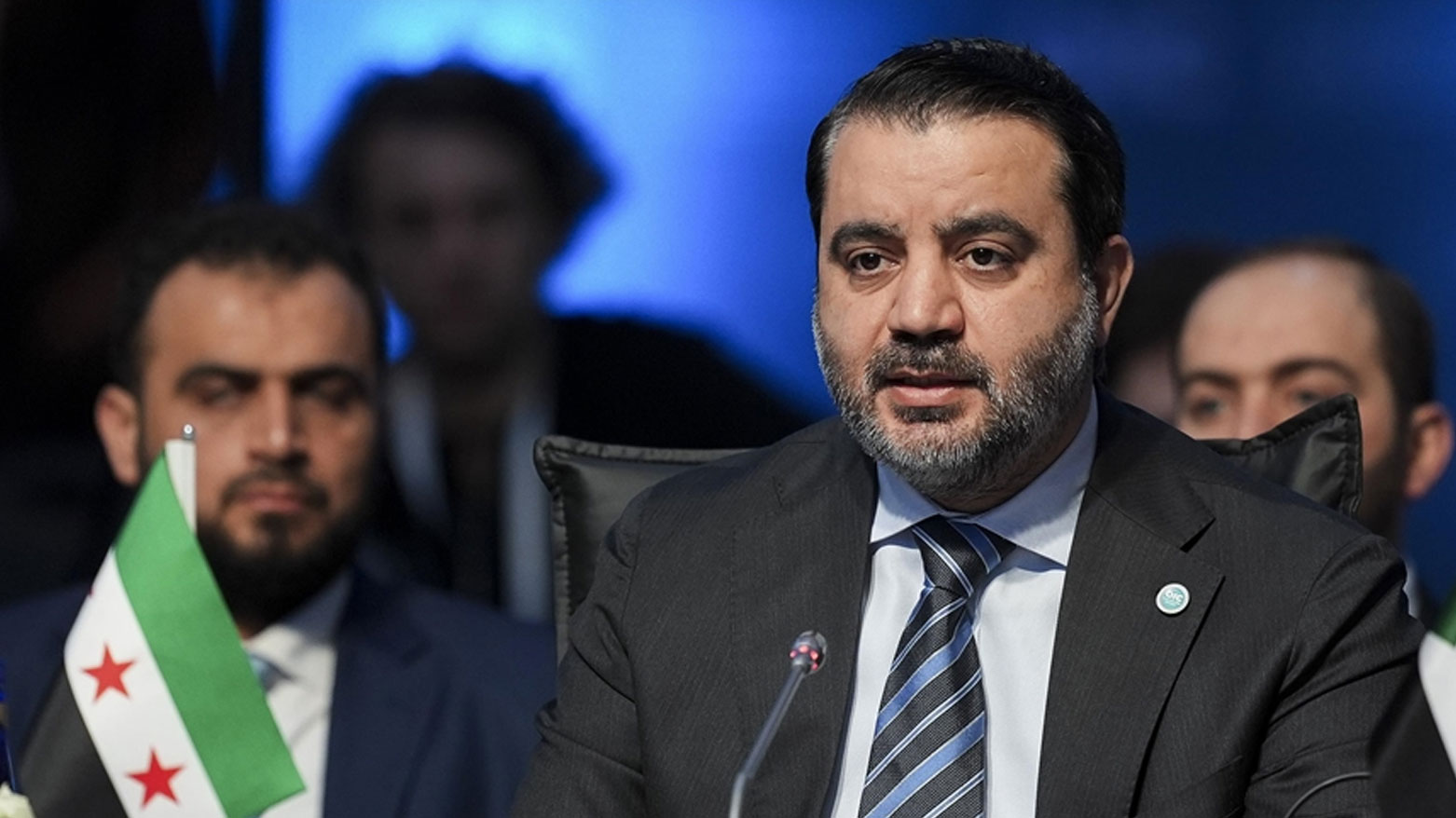
ERBIL (Kurdistan24) – Syria’s Foreign Minister Asaad Hassan Shaibani declared on Saturday that Damascus will not enter any agreement with Israel until Israeli forces fully withdraw from the territories they have occupied since their advance into southern Syria on December 8, 2024. Speaking during a panel at the Doha Forum in Qatar, Shaibani outlined the new government’s positions on security, regional dynamics, internal reform, and international engagement, in one of his most comprehensive public statements since taking office.
Shaibani said that the progress achieved inside Syria over the past year “requires enormous work ahead,” emphasizing that the transitional administration emerged “with popular backing despite limited resources and the heavy legacy of the previous regime.” He added: “We are not satisfied with the current situation; the people deserve better. We have rebuilt trust between the Syrian people and the government.”
The foreign minister described the change in Damascus as a success “crafted by Syrians themselves,” while acknowledging the institutional collapse discovered after the fall of Bashar al-Assad. “We were shocked by the depth of deterioration inside official institutions,” he said, stressing that Syria needs “calm relations with everyone” and broad international support for rebuilding.
Shaibani identified Israel as “one of the most prominent challenges,” stating clearly: “Our red line with Israel is withdrawal from Syrian territory.”
He reiterated that Syria remains fully committed to the 1974 Disengagement Agreement, calling it a cornerstone of regional stability for more than half a century.
His remarks follow a series of Israeli incursions into the UN-patrolled buffer zone on the Golan Heights, where Israeli forces have expanded operations into strategic elevations in Jolan, Quneitra, and Sheikh Mountain. Syrian officials say these moves violate the 1974 agreement and have become a major diplomatic flashpoint with the new authorities in Damascus.
Shaibani warned that Israel must reverse its post-December 8 advances before any talks can proceed: “When Israel withdraws from the occupied areas it expanded into, only then can we discuss agreements.”
He added that Syrian internal security is inseparable from regional security, saying: “We need stability and safety. This is directly linked to the security of the region.”
Shaibani revealed that the United States has begun classifying Syria as “a partner state,” noting: “There is an international desire to see Syria succeed.”
He emphasized that Syrian foreign policy has avoided alignments, presenting itself as a realistic and balanced actor supported by a growing international consensus.
During the same Doha Forum session, U.S. Special Envoy to Syria Tom Barrack stated that President Donald Trump “did not interfere in Damascus’ decisions,” describing the Syrian government’s actions over the past year as “heroic.”
“Everything related to Syria is moving in the right direction,” Barrack said. He emphasized the need to protect the new Syrian leadership from destabilizing shocks and urged that Syrians must be allowed to shape their own political order:
“The leadership is new and needs stability. The Syrian people must choose their political system.”
He also confirmed that Washington is actively exploring solutions to Syria’s challenges.
Earlier on Saturday, Interim President Ahmed al-Sharaa warned that Israel’s attempts to impose a demilitarized zone in southern Syria threaten national security, after repeated Israeli incursions and airstrikes. Israeli forces have entered the UN-monitored Golan buffer zone multiple times, arguing the need to counter armed groups and protect the Druze community near the frontier.
Sharaa underscored that the disengagement deal of 1974 is the only framework acceptable to Syria, warning that “tampering with the agreement or proposing new arrangements could lead us to a dangerous place.”
He said the U.S. is negotiating with both sides to secure Israel’s withdrawal to pre-December 8 positions, reiterating: “Syria is the party under attack. We are the ones who should be requesting a buffer zone and withdrawal.”
One year after Assad’s fall, Syria’s new government has regained significant international recognition, seen sanctions lifted by the United States, the European Union, and Britain, and launched new economic agreements in infrastructure, transport, and energy.
Despite foreign policy achievements, the government faces severe internal challenges, including sectarian violence in Alawite and Druze regions, the integration of former armed groups into state structures, and ongoing Israeli military operations.
Experts warn that the new administration still lacks a fully unified security apparatus capable of enforcing national reconciliation, while political institutions remain incomplete, with one-third of parliamentary seats yet to be filled.
Syrian Kurdish authorities in West Kurdistan have agreed in principle to be integrated into state structures, though progress has stalled amid regional pressures and internal disagreements.
Asaad Shaibani’s message at the Doha Forum reinforces the new government’s stance: no agreement with Israel without a full withdrawal from occupied Syrian territory, and no compromise on the foundations of the 1974 disengagement framework. With Israeli incursions ongoing and regional tensions rising, Damascus is seeking broad international support to stabilize its transition while navigating one of the most complex regional security environments in years.