U.S. Treasury Department Sanctions 29 Vessels in Expanded Crackdown on Iran’s ‘Shadow Fleet’
OFAC said the newly sanctioned vessels are part of a broader network Iran relies on to covertly export oil, primarily to end users in Asia, using tactics such as falsifying cargo documents, manipulating tracking systems, and frequently changing vessel ownership and management.
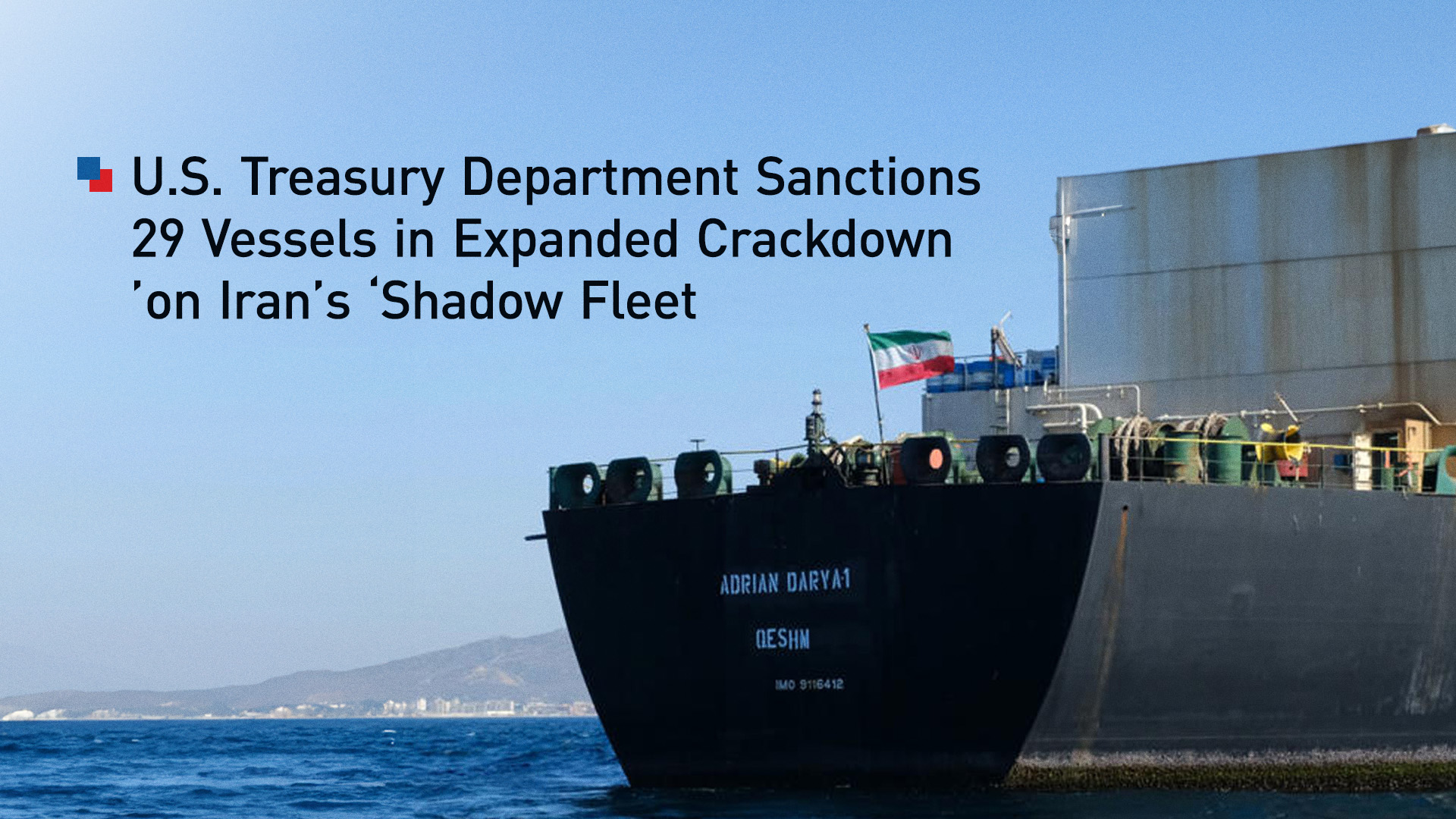
ERBIL (Kurdistan24) – The U.S. Department of the Treasury on Thursday announced a new round of sanctions targeting Iran’s so-called “shadow fleet,” escalating efforts to curb Tehran’s oil exports and cut off revenue used to fund its military and weapons programs.
In a statement, the Treasury’s Office of Foreign Assets Control (OFAC) said it has designated 29 vessels and their management firms for transporting hundreds of millions of dollars’ worth of Iranian petroleum and petroleum products through deceptive shipping practices designed to evade international sanctions.
The measures also target Hatem Elsaid Farid Ibrahim Sakr, an Egyptian businessman, along with several shipping companies linked to seven of the sanctioned vessels, according to the Treasury.
“As President Trump has said repeatedly, the United States will not allow Iran to have a nuclear weapon,” said John K. Hurley, Under Secretary of the Treasury for Terrorism and Financial Intelligence. “Treasury will continue to deprive the regime of the petroleum revenue it uses to fund its military and weapons programs.”
OFAC said the newly sanctioned vessels are part of a broader network Iran relies on to covertly export oil, primarily to end users in Asia, using tactics such as falsifying cargo documents, manipulating tracking systems, and frequently changing vessel ownership and management.
Iran’s “shadow fleet” refers to an informal network of aging tankers and shipping companies that operate outside standard maritime norms to bypass U.S. and international sanctions imposed on Tehran’s energy sector. These sanctions were first expanded after Washington withdrew from the 2015 Iran nuclear deal in 2018, aiming to pressure Iran economically and limit its ability to finance nuclear, missile, and regional military activities.
Since President Donald Trump resumed office, his administration has intensified enforcement against this network. According to the Treasury, more than 180 vessels involved in transporting Iranian petroleum and petroleum products have been sanctioned during this period, increasing operational costs for exporters and significantly reducing the revenue Iran earns per barrel of oil sold.
Thursday’s action was taken under Executive Order 13902, which targets Iran’s petroleum and petrochemical sectors, and forms part of a broader “maximum pressure” strategy outlined in National Security Presidential Memorandum 2 (NSPM-2).
U.S. officials say the sustained sanctions campaign is intended to disrupt Iran’s oil sales, deter third parties from facilitating illicit trade, and reinforce Washington’s broader national security objectives related to Iran.