Rains Lift Water Levels in Duhok Dams, Easing Drought Concerns
Recent rainfall has raised water levels across Duhok’s dams, with some reservoirs increasing by up to three meters. Officials say the surge has eased drought concerns, strengthened groundwater reserves, and significantly improved water security in the governorate.
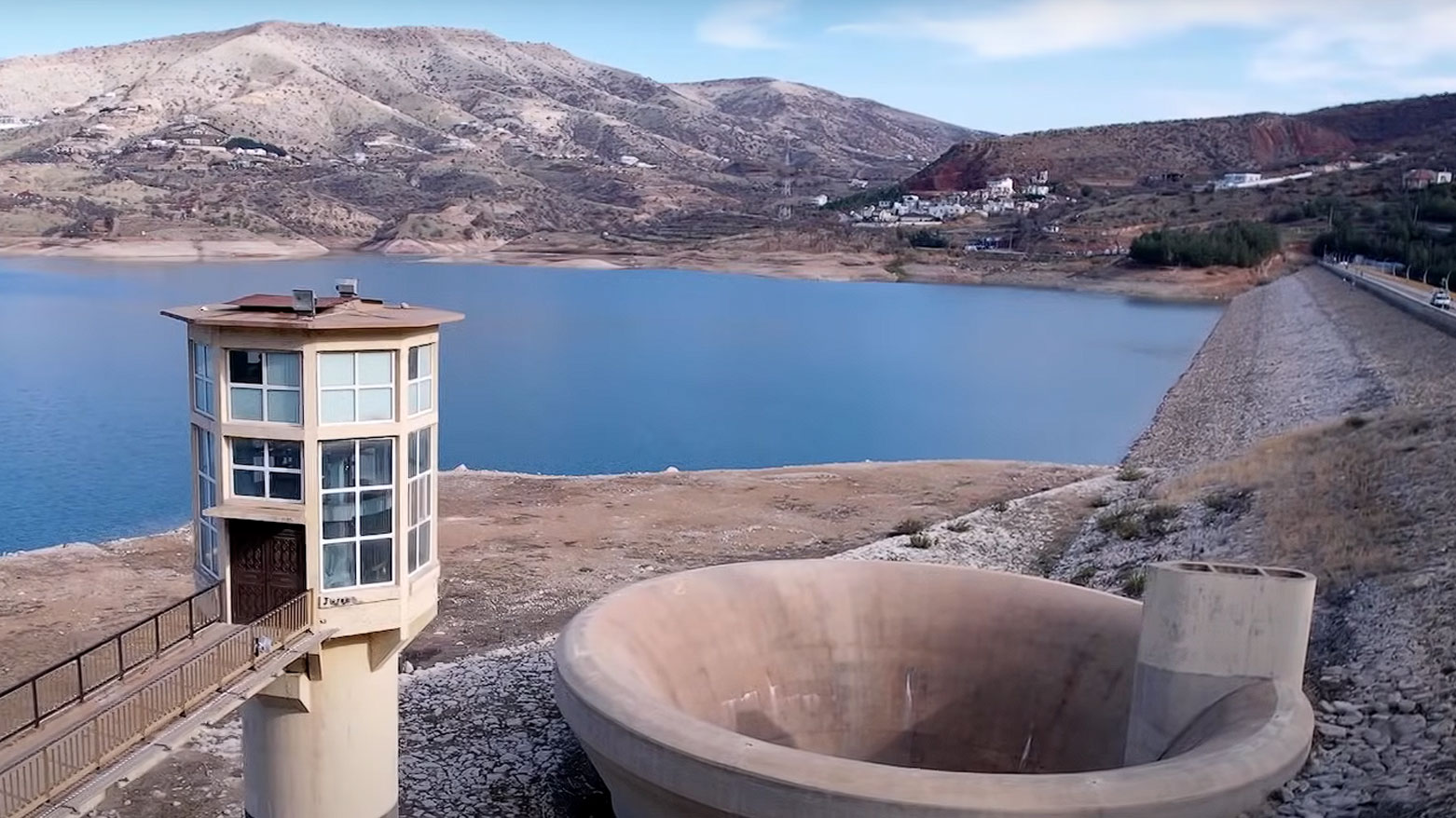
ERBIL (Kurdistan24) - After months of concern over declining water reserves, recent rainfall has sharply increased water levels in Duhok’s dams, reducing the impact of drought and strengthening groundwater supplies across the governorate.
Visual indicators of the improvement are already evident. Areas that were previously exposed along the banks of Duhok Dam are now submerged, with water levels covering visible marks left by earlier shortages. According to local dam authorities, the rise has been both rapid and substantial.
Speaking to Kurdistan24, Ferhad Mahmoud, director of Duhok Dams, said the water level at the dam has risen by nearly eight centimeters so far. “These rains have had a genuinely positive effect on water storage,” he said. “For example, at Khan Dam, the water level has increased by more than three meters, while Keshkan Dam has also recorded an increase of nearly three meters.”
Mahmoud added that conditions across Duhok governorate are now markedly improved. “Overall, the situation of dams and ponds within the boundaries of Duhok is good. We did not expect this level of increase, but these rains have significantly boosted water levels in our reservoirs,” he said.
Duhok governorate currently has four major dams and sixty ponds, which together play a central role in securing water for agriculture, domestic use, and groundwater recharge.
Bashar Haji Zainal, director of Duhok’s water resources, told Kurdistan24 that earlier declines in water levels were primarily caused by reduced rainfall. “Now, these rains are contributing directly to the replenishment of groundwater,” he said.
Zainal explained that authorities are linking current water management efforts to the strategic Khabur project on the Tigris River, which supplies water to both the Mangesh and Zakho districts. “This rainfall will have a positive impact on reducing drought and will serve as an important reserve for groundwater, particularly for villages that depend on well water,” he noted.
Rainfall data underscores the scale of the shift. Since the start of the season, Duhok has recorded 144 millimeters of rain, compared to just 28 millimeters during the same period last year. Officials say this means rainfall levels this year are five times higher than in the previous season.
Water authorities believe that if rainfall continues at this pace, the region could enter the coming year with sufficient stored water, significantly easing pressure on dams, ponds, and underground reserves.
This latest improvement builds on gains recorded a week earlier, when officials confirmed that heavy rains had already stabilized water systems across the Kurdistan Region. At that time, Duhok Dam was noted as holding the lowest level among major reservoirs, despite an overall positive trend. The current surge, however, suggests that Duhok has now moved beyond recovery toward a far more secure water position.
As officials monitor rainfall and storage levels, they say the recent rains have not only reduced drought risks but also strengthened long-term water resilience for Duhok and its surrounding rural communities.