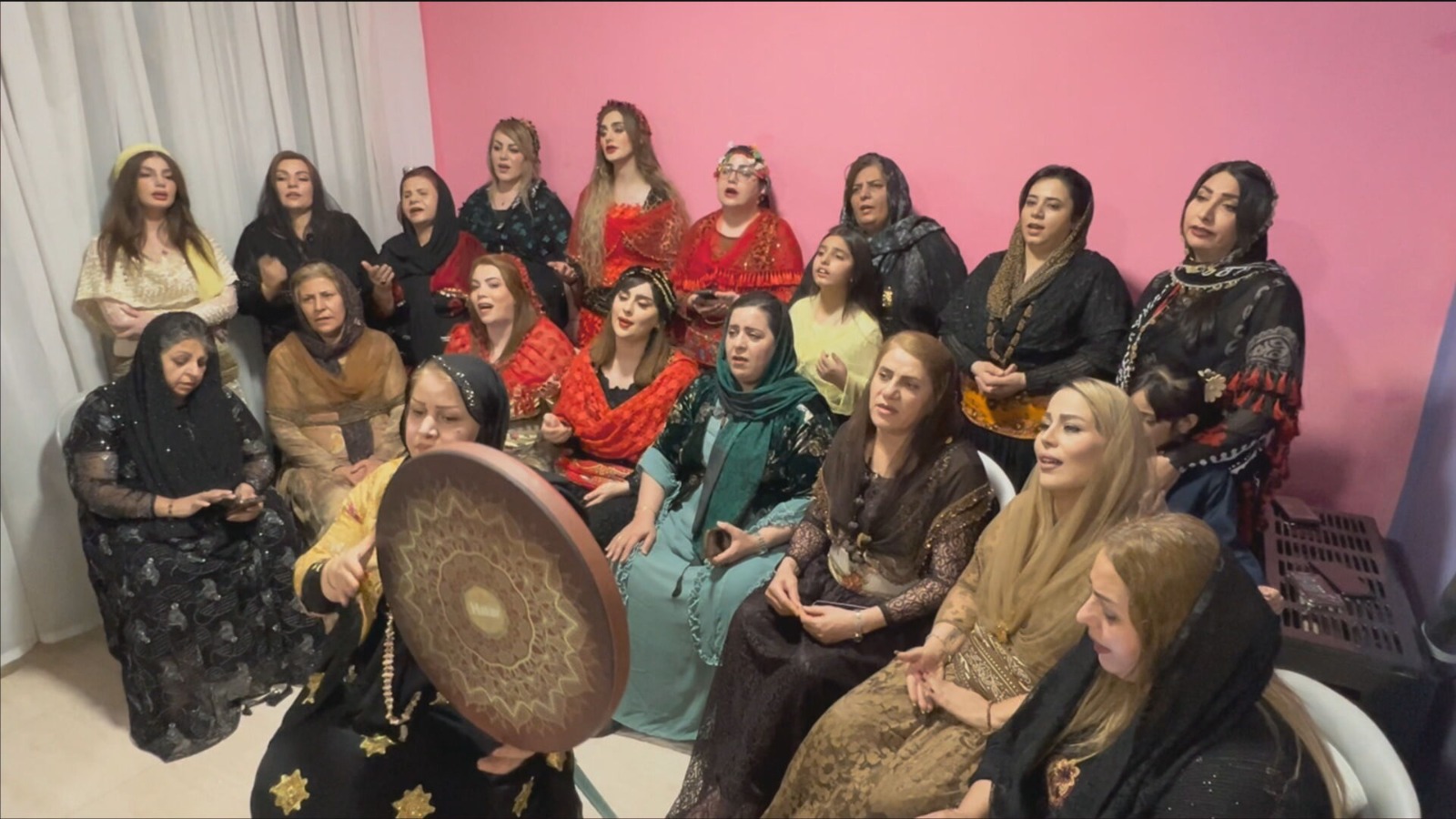
Bukan's Women Revive a Silenced Kurdish Musical Tradition Through Singing Academy
A women-only singing academy has opened in Bukan, offering academic training in Kurdish maqams and vocal traditions, aiming to revive women’s historic role in preserving Kurdish musical heritage.
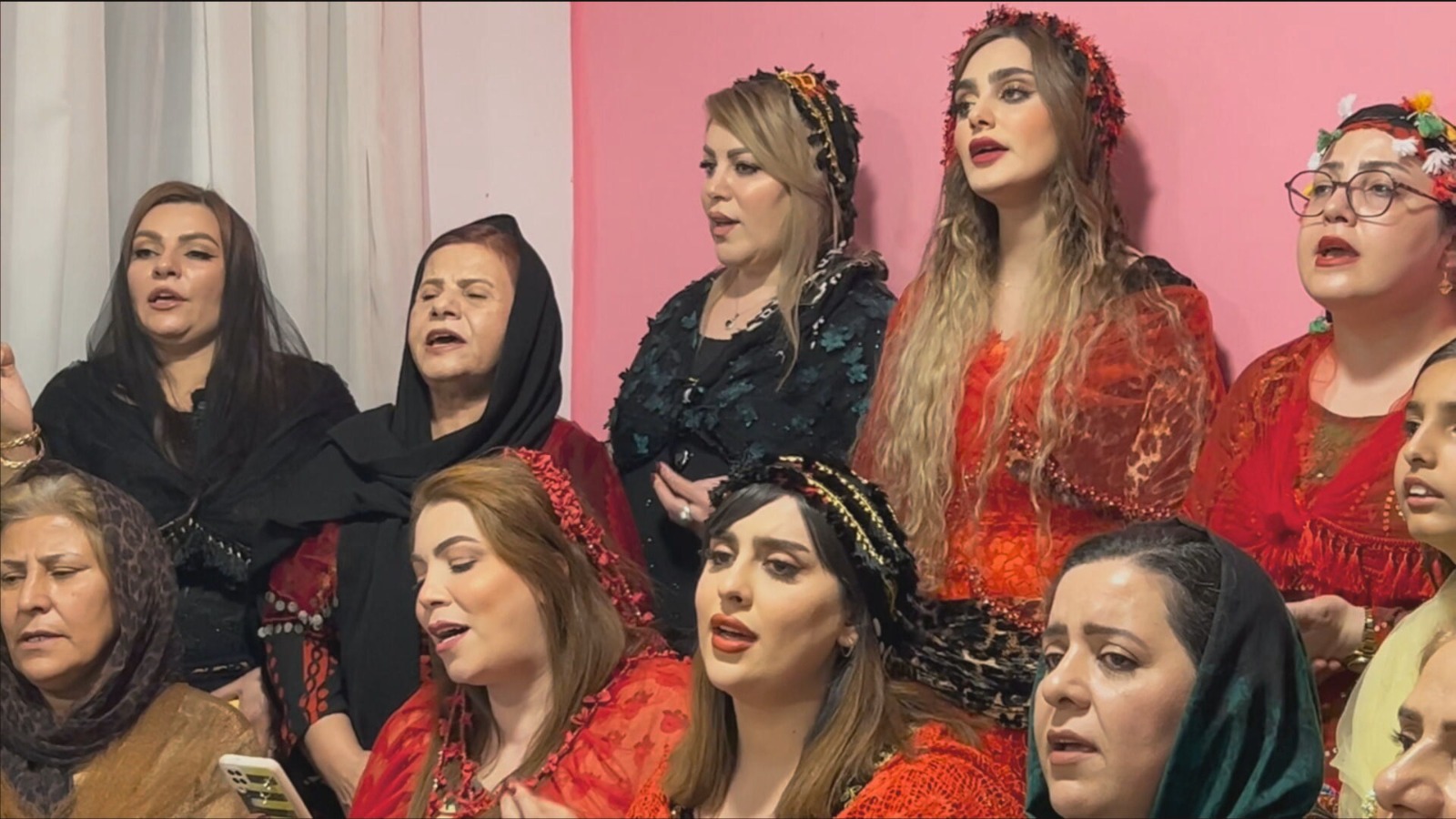
ERBIL (Kurdistan24) - In a landmark cultural step in the city of Bukan, widely regarded as a beating heart of Kurdish culture in Eastern Kurdistan (Western Iran), a specialized academy has opened its doors to teach the foundations of Kurdish vocal music and maqams exclusively to women, seeking to revive voices long confined to silence.
The newly launched school is overseen by the Sadaf Arts Academy and operates under the supervision of trained academic staff. Its mission is to provide structured, scientific instruction in Kurdish singing traditions while creating a rare space for women to engage openly with a musical heritage that has historically been restricted.
The academy follows a rigorous academic curriculum, training students in solfège and classical Kurdish maqams. Samko Faizi, director of the academy, said the initiative marks a first for the city.

“This is the first time we have provided a singing school dedicated to women, supervised by a specialized female instructor,” Faizi told Kurdistan24. “We rely on an academic method to enable trainees to master ancient Kurdish maqams and melodies.”
Researchers of Kurdish music note that many of the region’s traditional melodies, including hairan, lawik, and other folk maqams, originally emerged from women’s voices before being gradually suppressed.
Music researcher Star Hussein Zada told Kurdistan24: “Kurdish music, especially forms such as hairan and lawik, was originally produced by women’s voices. Unfortunately, due to social and political pressures in our society, these voices disappeared for decades, causing a major cultural loss. Today, we are trying to restore this voice to prevent further damage to our musical heritage.”
The initiative has been warmly welcomed by women in Bukan. More than fifty women have already enrolled in the academy’s courses.
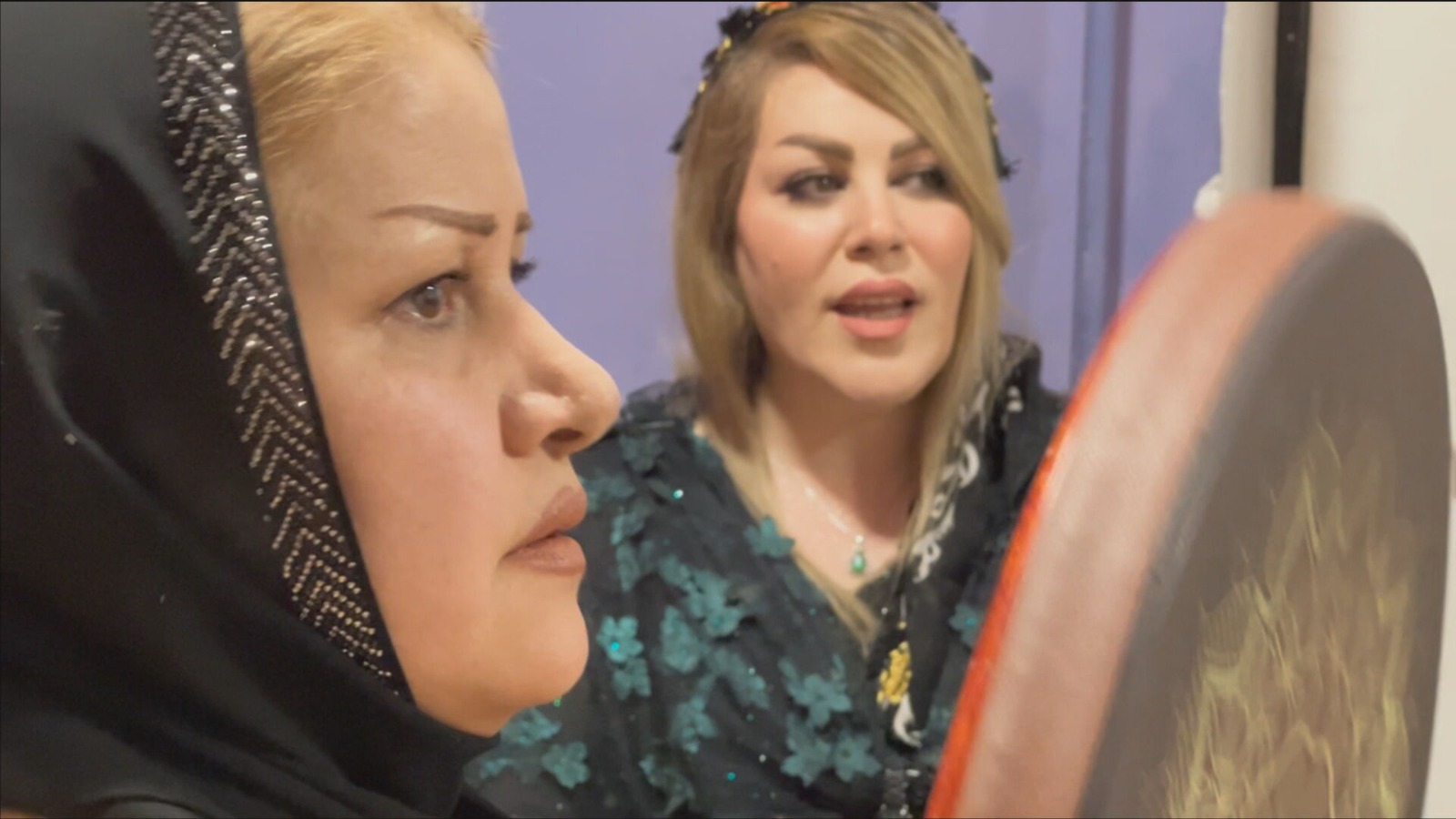
Instructor Laila Dukhan expressed optimism about the growing interest: “For three weeks now, we have continued training, and the number keeps increasing. I hope all sisters and mothers will join us to develop their skills and contribute to preserving our heritage.”
Student Zahra Namini described mixed emotions of regret and pride as she embarked on the journey: “We must learn art and bring it into the light, not keep it confined inside homes. When I first came here, I felt a tightness in my heart because I joined so late, but now I am proud that we are finding our way again.”
Despite restrictions on solo female singing in Iran, the women of Bukan say collective and academic performance offers a path to preserving Kurdish identity and documenting voices that have long carried the region’s oral and musical history.
Through collective learning and academic discipline, Kurdish women in Bukan are asserting that their voices—and their cultural legacy—will continue to resonate, regardless of the challenges they face.