Snow Shuts Key Iran–Kurdistan Border Crossing, Stranding Travelers and Halting Trade
Heavy snowfall has closed the Kele border crossing after Iranian roads were not cleared, halting travel and trade despite open access from the Kurdistan Region side.
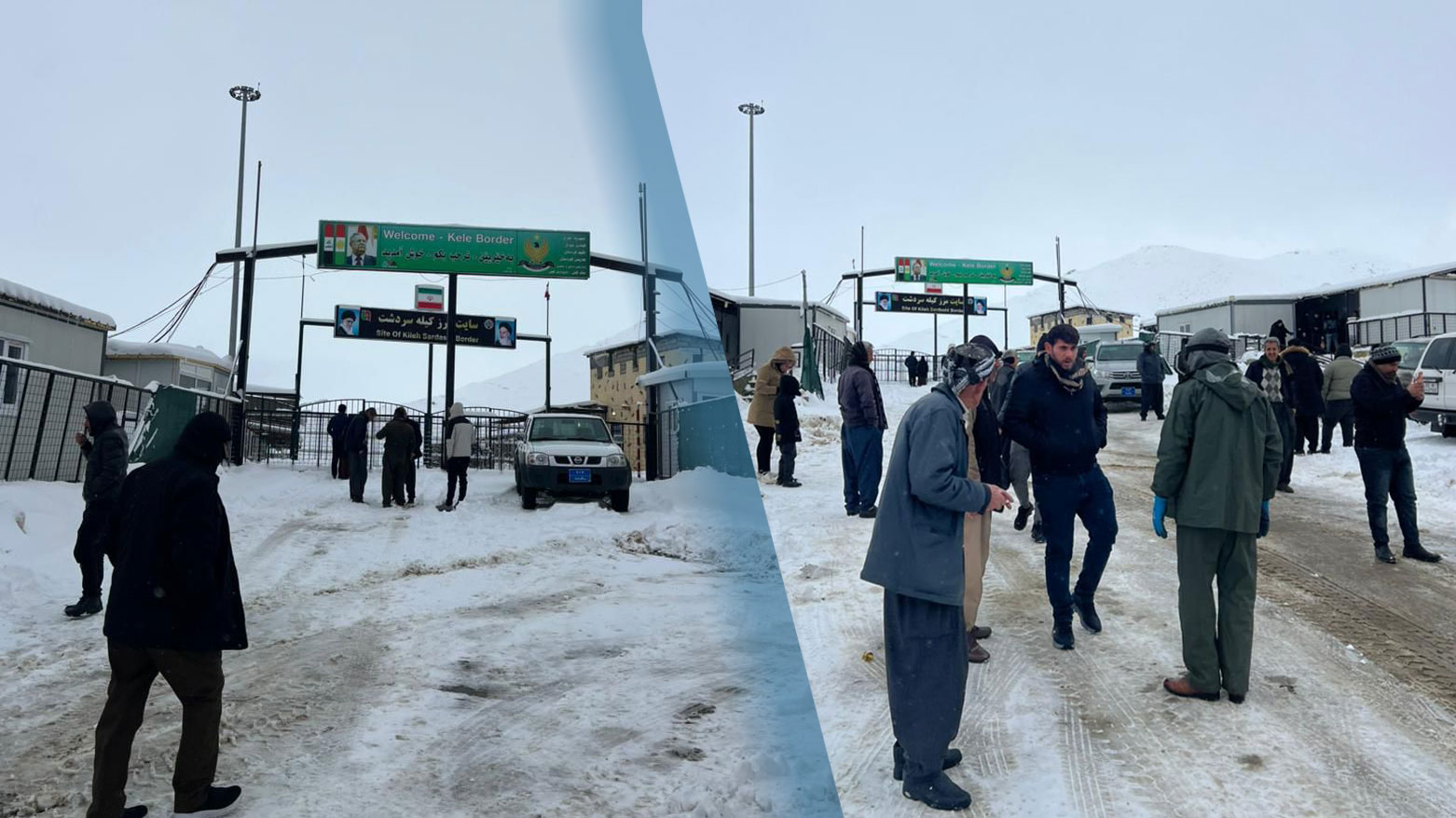
ERBIL (Kurdistan24) - Thick winter snow has sealed off one of the most important land crossings between the Kurdistan Region and Iran, bringing tourist and commercial movement at the Kele border gate to a complete standstill and leaving travelers waiting in freezing conditions for the route to reopen.
Tourist and commercial traffic through the Kele crossing, linking the Kurdistan Region with Iran’s Kurdish areas, has been suspended after border roads on the Iranian side were not cleared of snow. The disruption has effectively closed the gate to travelers and traders alike.
Several tourists from the Kurdistan Region who intended to visit Iran and were forced to remain at the border told Kurdistan24 correspondent Aras Amin that snow-clearing teams on the Kurdistan Region side had fully cleared the road up to the Iranian zero point. However, heavy snowfall on the eastern Kurdistan side has accumulated, and Iranian teams have yet to clear the route.
According to the travelers, the road on the Kurdistan Region side remains open and functioning normally, and tourists have already reached the border gate. They are now waiting for Iranian authorities to clear the snow and reopen the crossing so they can continue their journeys.
The Kele border gate is located approximately ten kilometers from the city of Sardasht in eastern Kurdistan and twenty kilometers from Qaladze in the Kurdistan Region. It was officially recognized by the Iranian government in 2019 and is considered the closest and most direct trade route connecting the Kurdistan Region with northern Iraq.
Kele holds significant and steadily growing economic importance. In the first half of 2023 alone, goods worth more than $94 million were exported from the Kurdistan Region through the crossing, marking an eighty percent increase compared with the same period the previous year.
On a daily basis, an average of 180 to 200 trucks carrying various goods—including tiles, ceramics, iron, plastic products, and food items—pass through the gate. This commercial activity has created employment opportunities for more than two thousand people in the surrounding area.
As snow continues to block access on the Iranian side, the closure of the Kele crossing highlights the vulnerability of a vital economic artery to winter conditions, leaving travelers stranded and trade temporarily frozen.