Volunteers Plant 25,000 Oak Seedlings in Sulaimani as Part of Initiative to Combat Desertification
Volunteers in Sulaimani planted 25,000 oak seedlings under the "Zagrosiana" initiative to combat desertification, engaging families and climbers to restore Kurdistan's "natural lung."
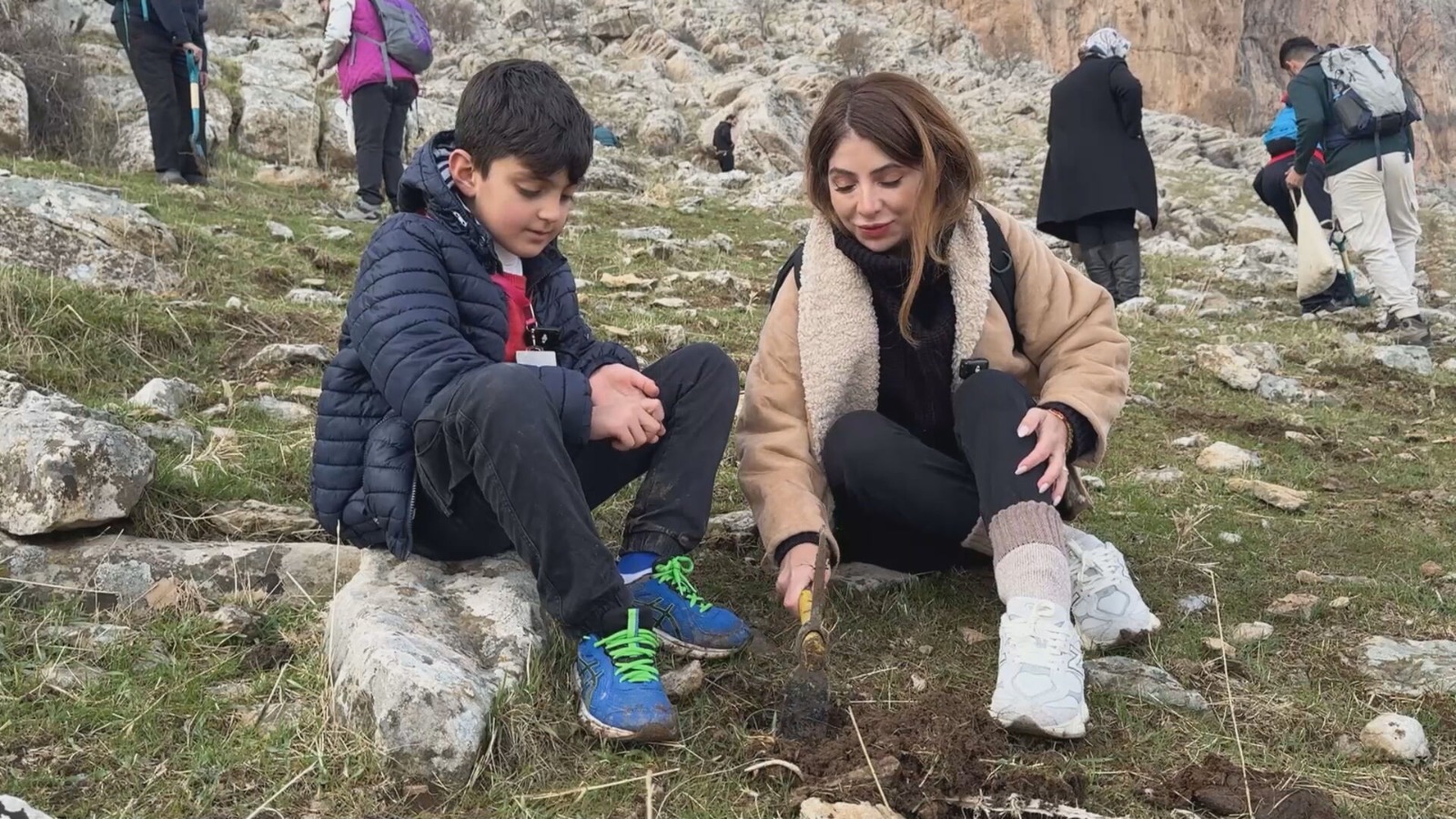
ERBIL (Kurdistan24) — A broad coalition of environmental activists, mountaineers, and local families mobilized across the mountainous highlands of the Sulaimani Governorate on Sunday to launch a large-scale reforestation effort aimed at countering the region's environmental degradation.
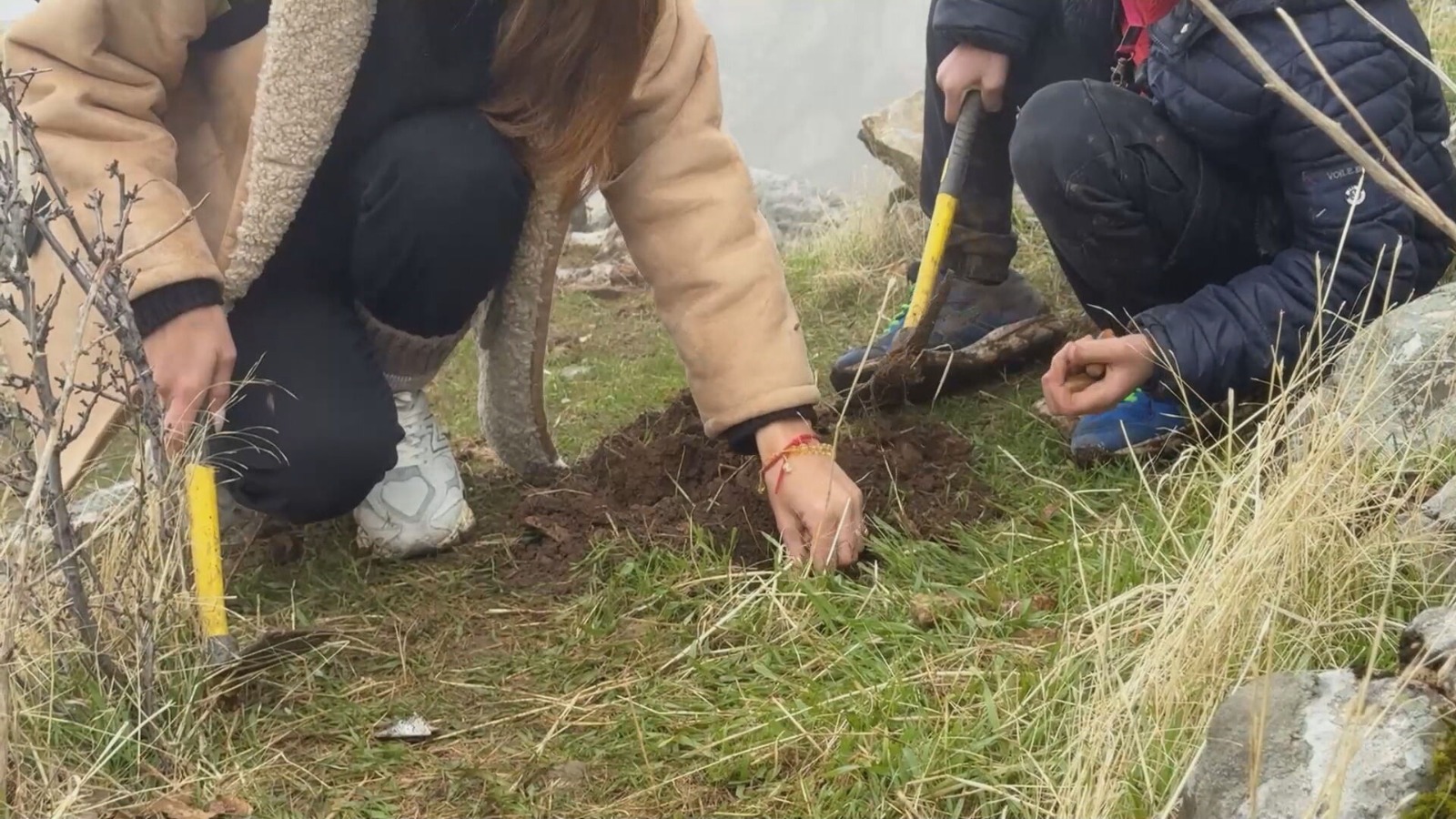
Under the banner of the "Zagrosiana" initiative, participants successfully planted more than 25,000 oak seedlings and seeds, marking a significant step in an ongoing campaign to combat desertification and restore the vegetation cover of the Kurdistan Region.
The event, organized under the slogan "Reviving the Nature of the Homeland," represents the fourth edition of an environmental drive that has increasingly sought to involve the general public in direct ecological action.
The campaign’s organizers framed the planting of the oak trees not merely as a technical measure to address climate challenges but as a cultural intervention designed to reshape the relationship between the local population and their natural surroundings.
Shiler Samad, the coordinator of the Zagrosiana initiative, outlined the strategic shift in the campaign's approach in a statement to Kurdistan24. She emphasized that the primary objective extends beyond the physical act of planting to the cultivation of a "rooted societal culture" focused on environmental conservation.
Samad explained that while previous iterations of the campaign may have relied more heavily on established networks of activists, the current strategy has pivoted toward radical inclusivity.
"In this fourth edition of our campaign, we decided that participation would not be limited to network members only, but we made it open to all segments of society from cities and villages, and even families in their homes," Samad said.
She characterized the role of the organizers as facilitators rather than sole actors, stating, "We are merely catalysts for people to awaken their spirit of responsibility towards their land and homeland."
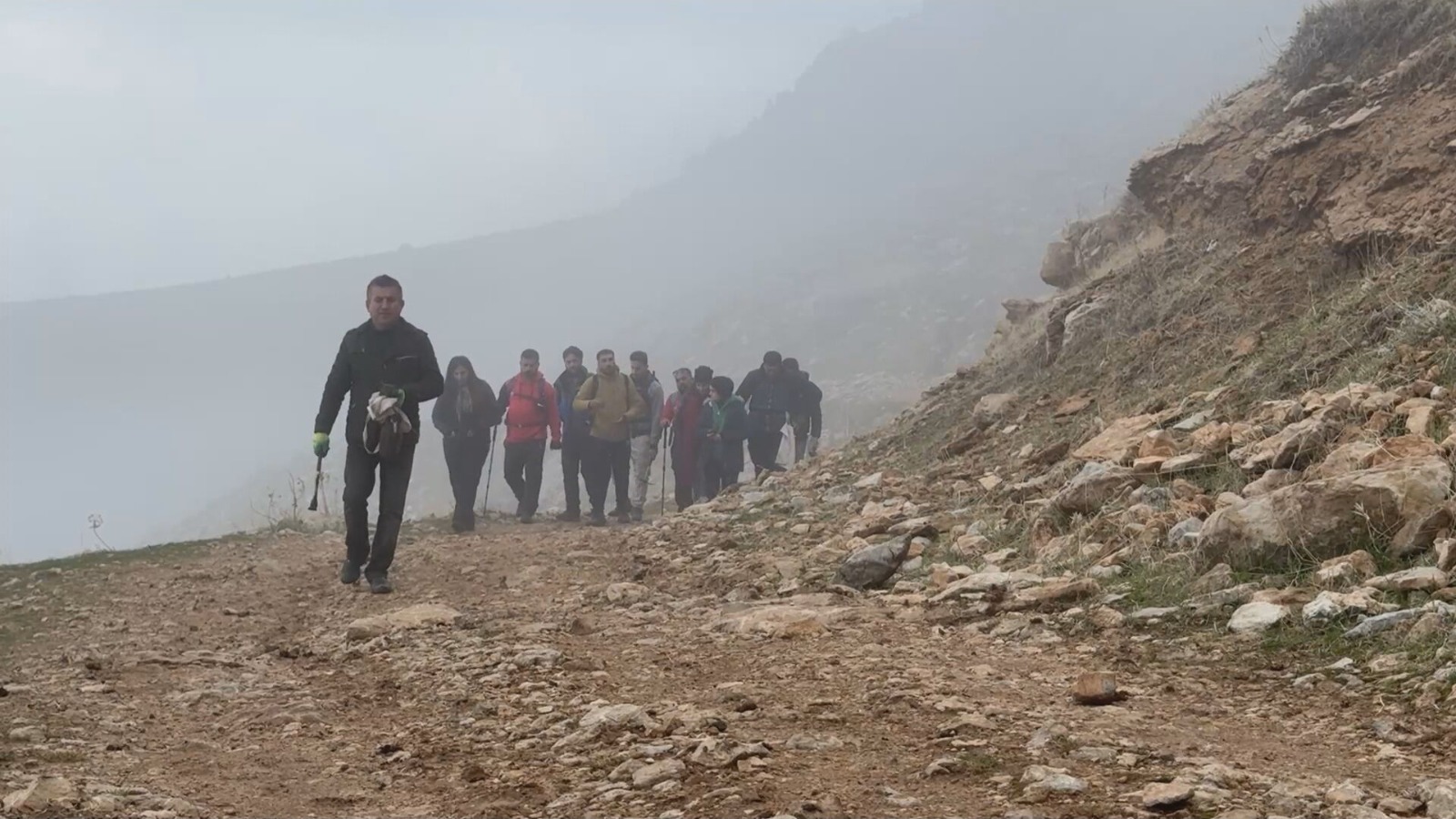
The response to this call for civic engagement was evident in the diverse array of participants who ascended the highlands to take part in the digging and planting operations. Among them were established mountain climbing enthusiasts who view the preservation of the terrain as an extension of their recreational interaction with the landscape.
Participants emphasized the historical and national dimensions of the initiative, framing the restoration of the forests as a duty owed to both ancestors and descendants.
Salahaddin Jalal, a climber participating in the event, articulated this sense of intergenerational obligation. He noted that the ecological integrity of the mountains had been maintained by those who came before, creating a responsibility for the current population. "Previous generations performed their duty in preserving these mountains, and now it falls upon our shoulders to continue on this approach to ensure a green future and a healthy environment for our children," Jalal said.
The sentiment was echoed by Mahabad Sadiq, another participant, who stressed that the protection of the environment is a multifaceted process beginning with basic cleanliness and extending to active afforestation.
Sadiq called on the broader community to contribute to the effort of returning the "green color" to the mountains of Kurdistan, describing the highlands as the "natural lung" of the region, essential for its environmental health.
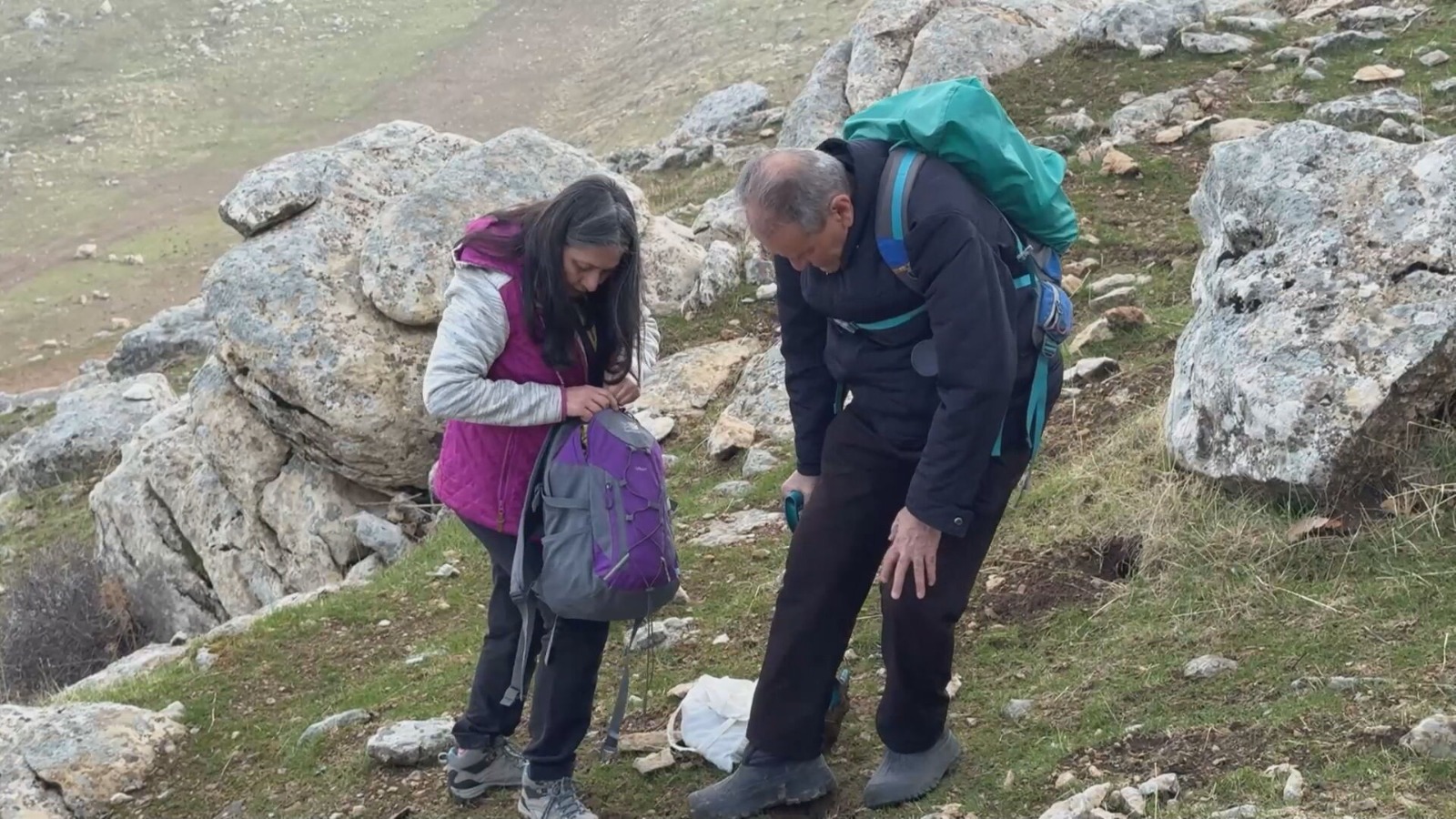
The mobilization drew support from beyond the immediate vicinity of Sulaimani, indicating the regional reach of the campaign.
The "Mount Charmo Climbers" team traveled from the Chamchamal district to lend their labor to the project. Jamal Mohammed, a member of the visiting team, expressed that their presence was driven by a conviction that environmental stewardship is a fundamental obligation.
"We came to leave our mark on the Zagrosiana project, out of our belief that protecting mountains and expanding the forest area is a national and humanitarian duty," Mohammed stated.
The event also featured the active participation of children, a demographic the organizers were particularly keen to engage to ensure the longevity of the environmental message. In scenes de
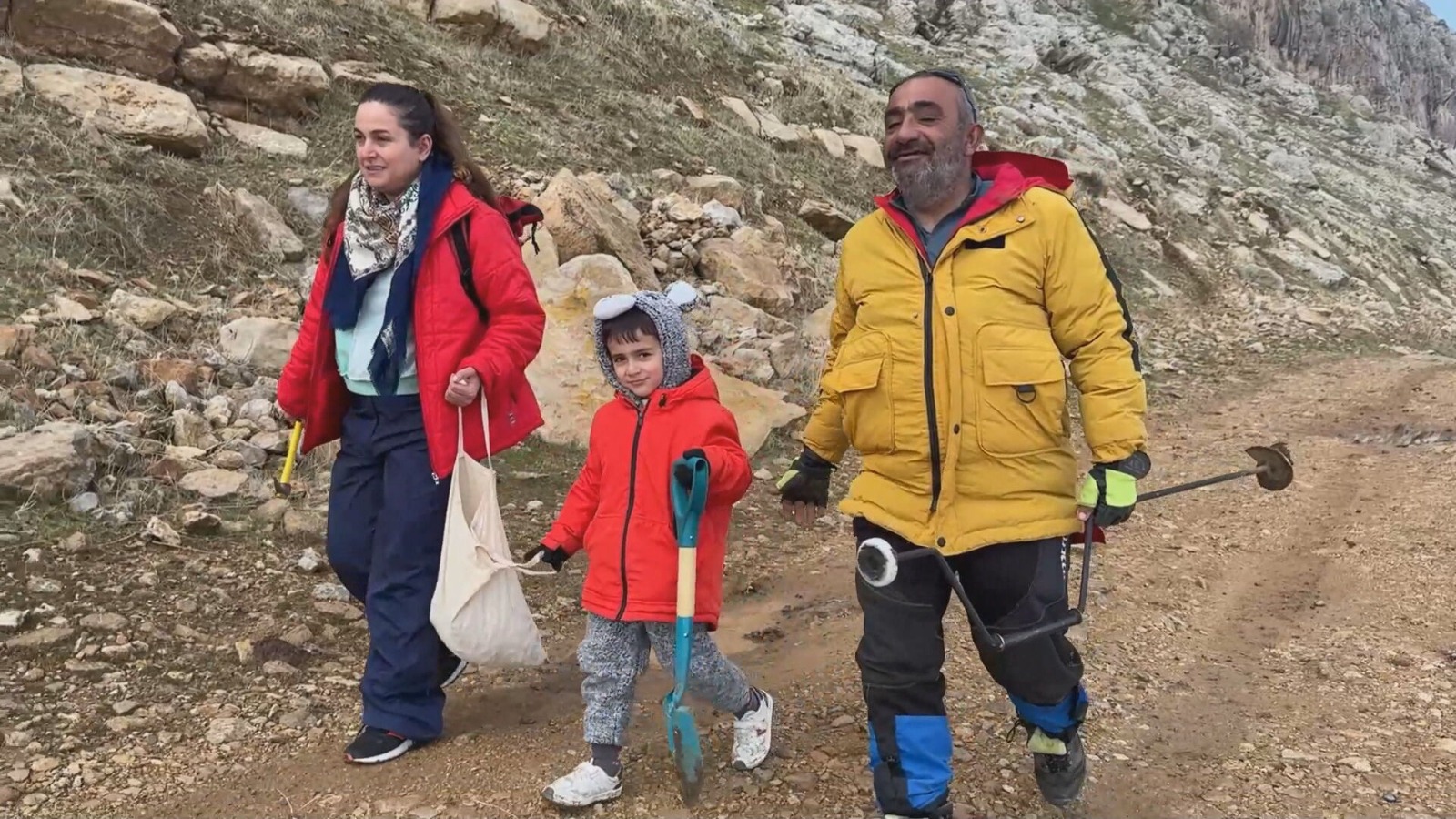
scribed by witnesses as inspiring hope for the future, young participants worked alongside adults in the planting process.
One of the youngest volunteers, identified as Mohammed, expressed a clear understanding of the utility of the work. "I am happy because I am planting trees; they are beneficial for Kurdistan and make our air pure," he said. The young participant also directed a message to his peers, urging them to participate in similar campaigns to ensure a sound environment for their generation.
The focus on oak trees for this mass planting is scientifically and culturally significant. The oak is considered one of the most prominent natural symbols of the Zagros Mountains. According to environmental assessments cited in reports on the campaign, these trees play a pivotal role in maintaining the ecological balance of the area.
They are critical for sustaining water resources and preventing soil erosion.
Organizers and participants alike view these campaigns as an urgent necessity, particularly in light of the global climate changes that pose increasing threats to regional ecosystems. By fortifying the native oak population, the Zagrosiana initiative aims to build resilience against the encroaching threat of desertification that faces the Kurdistan Region.