UAE Withdraws Remaining Forces from Yemen Amid Escalating Tensions with Saudi Arabia
Washington steps in as tensions rise, with Secretary of State Marco Rubio holding urgent calls with Saudi and Emirati leaders to contain escalation and protect regional stability.
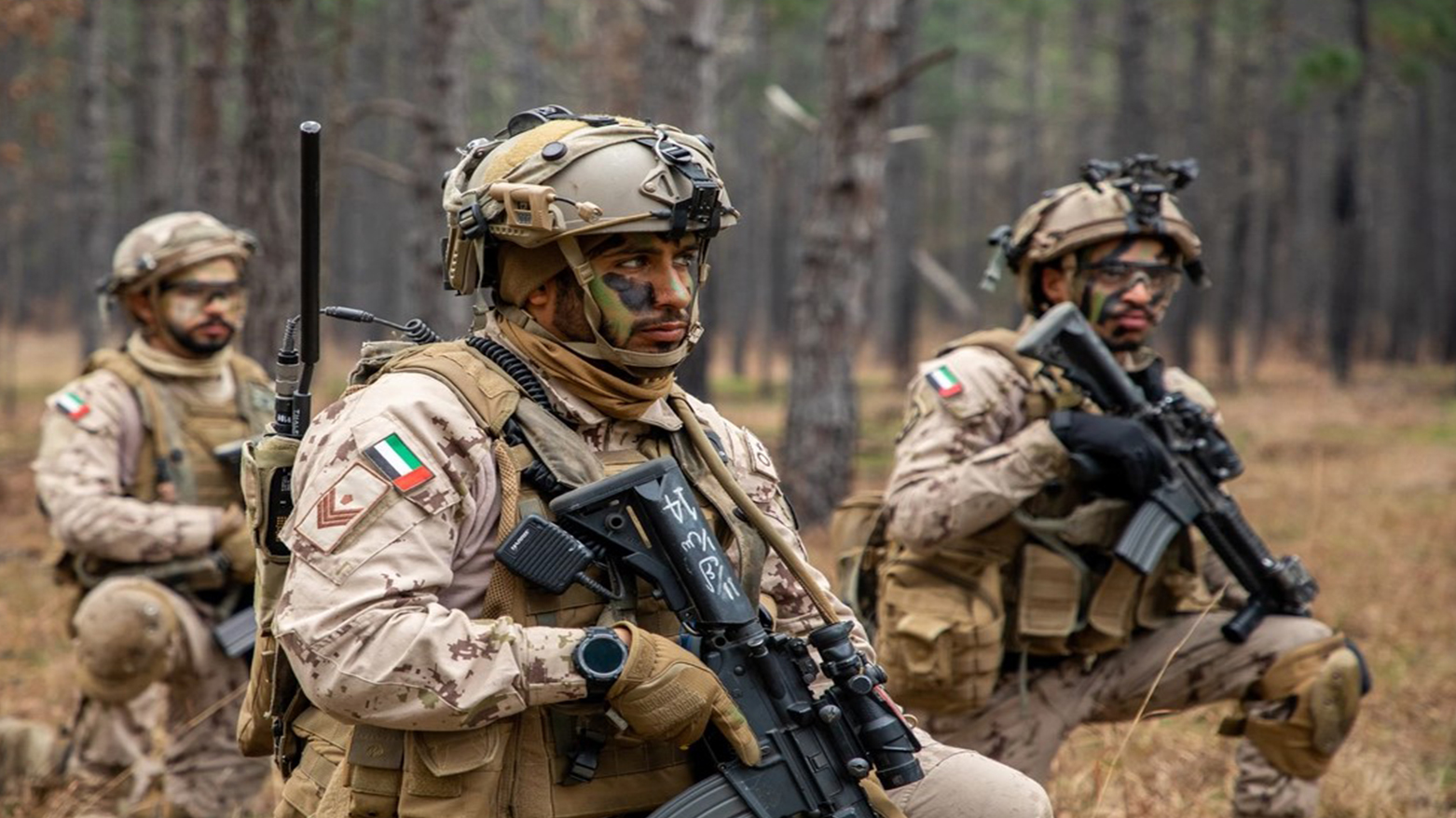
ERBIL (Kurdistan24) — The United Arab Emirates announced on late Tuesday that it is withdrawing its remaining military forces from Yemen, following mounting pressure from Saudi Arabia and a rapid escalation linked to a sweeping offensive by UAE-backed separatist forces in the country’s south and east.
The UAE defense ministry said the pullout involved its remaining “counter-terrorism teams” and stressed that the decision was taken “of its own volition.” Abu Dhabi has denied allegations that it orchestrated or directed recent advances by the Southern Transitional Council (STC), a powerful separatist group it has long supported.
Yemen’s presidential council and Saudi Arabia—Riyadh being the dominant powerbroker within the Saudi-led coalition—had both demanded the withdrawal of Emirati forces within 24 hours, underscoring the severity of the rift between the two Gulf allies.
The United States, a close partner to both countries, moved quickly to engage diplomatically. Secretary of State Marco Rubio held separate calls with Saudi and Emirati officials, including UAE Foreign Minister Sheikh Abdullah bin Zayed bin Sultan Al Nahyan, to discuss “the situation in Yemen and broader issues affecting Middle Eastern security and stability,” according to State Department spokesman Tommy Pigott.
Before dawn on Tuesday, the Saudi-led coalition said it carried out airstrikes on an Emirati shipment at the port of Mukalla in eastern Yemen, claiming it was transporting weapons destined for separatist forces. The UAE firmly rejected the accusation, insisting the cargo consisted solely of vehicles intended for its own personnel.
Footage from the port showed dozens of military vehicles and pick-up trucks parked near the docks, several of them burned and still smoldering as workers attempted to extinguish the fires.
The strike followed the STC’s rapid expansion across the resource-rich provinces of Hadramawt and Mahra this month, developments that have injected fresh volatility into Yemen’s decade-long conflict.
The advance has revived fears of Yemen’s fragmentation and the possible return of an independent South Yemen, which existed as a separate state between 1967 and 1990.
Military experts warn that the separatist push has dealt a serious blow to already fragile peace negotiations with the Iran-backed Houthis, who have controlled the capital Sanaa since 2014 after forcing the internationally recognized government into exile.
Emirati forces initially deployed to Yemen as part of the Saudi-led coalition fighting the Houthis. While Abu Dhabi scaled back most of its military presence in 2019, it maintained a limited footprint in southern Yemen, where authority is divided among rival militias.
The latest withdrawal comes after an unusually public exchange of accusations between Riyadh and Abu Dhabi. Saudi Arabia accused the UAE of pressuring STC forces “to conduct military operations” near its southern border.
“The steps taken by the UAE are considered highly dangerous,” Saudi Arabia’s foreign ministry said, adding that “any threat to its national security is a red line.”
In response, Abu Dhabi rejected the claims and reiterated that it had not directed any Yemeni faction to engage in military action. It also denied that the Mukalla shipment contained weapons.
Despite the sharp rhetoric, both sides signaled openness to de-escalation. A source close to the Saudi military coalition told AFP that “diplomacy is still an option to stop any further escalation.”
Yemen’s presidential council moved swiftly to respond to the crisis, dissolving a defense pact with the UAE and declaring a 90-day state of emergency. The move reflects growing alarm within the internationally recognized government over the STC’s territorial gains and the risk of intra-coalition conflict.
The STC, however, remained defiant. Spokesman Anwar al-Tamimi said there was “no thinking about withdrawal” from newly seized areas, arguing that the forces were defending their own land.
“It is unreasonable for the landowner to be asked to leave his own land. The situation requires staying and reinforcing,” he said, warning that any movement toward STC positions would be met with force.
Tamimi also claimed Saudi Arabia had deployed around 20,000 security personnel along its border with Hadramawt, adjacent to STC-held territory. A Yemeni military official said last week that some 15,000 Saudi-backed fighters were positioned near the border but had not been ordered to advance.
The escalation has already taken a toll on civilians. In Mukalla, resident Abdullah Bazuhair described the terror caused by the airstrikes, which damaged his home overlooking the port.
“The children were terrified and the women frightened,” he said, calling the attacks “unacceptable to God.”
As Saudi Arabia warns it will back Yemen’s government in any confrontation with separatist forces, and with airstrikes reportedly continuing in parts of Hadramawt, the UAE’s withdrawal marks a critical juncture in the conflict—one that could reshape alliances on the ground and further complicate prospects for a negotiated end to the war.