Trump Envoy Says U.S., Europe, and Ukraine Align on Next Steps Toward Ending the War
Zelensky says Ukraine is “10 percent” away from a deal but warns core issues and security guarantees remain unresolved.
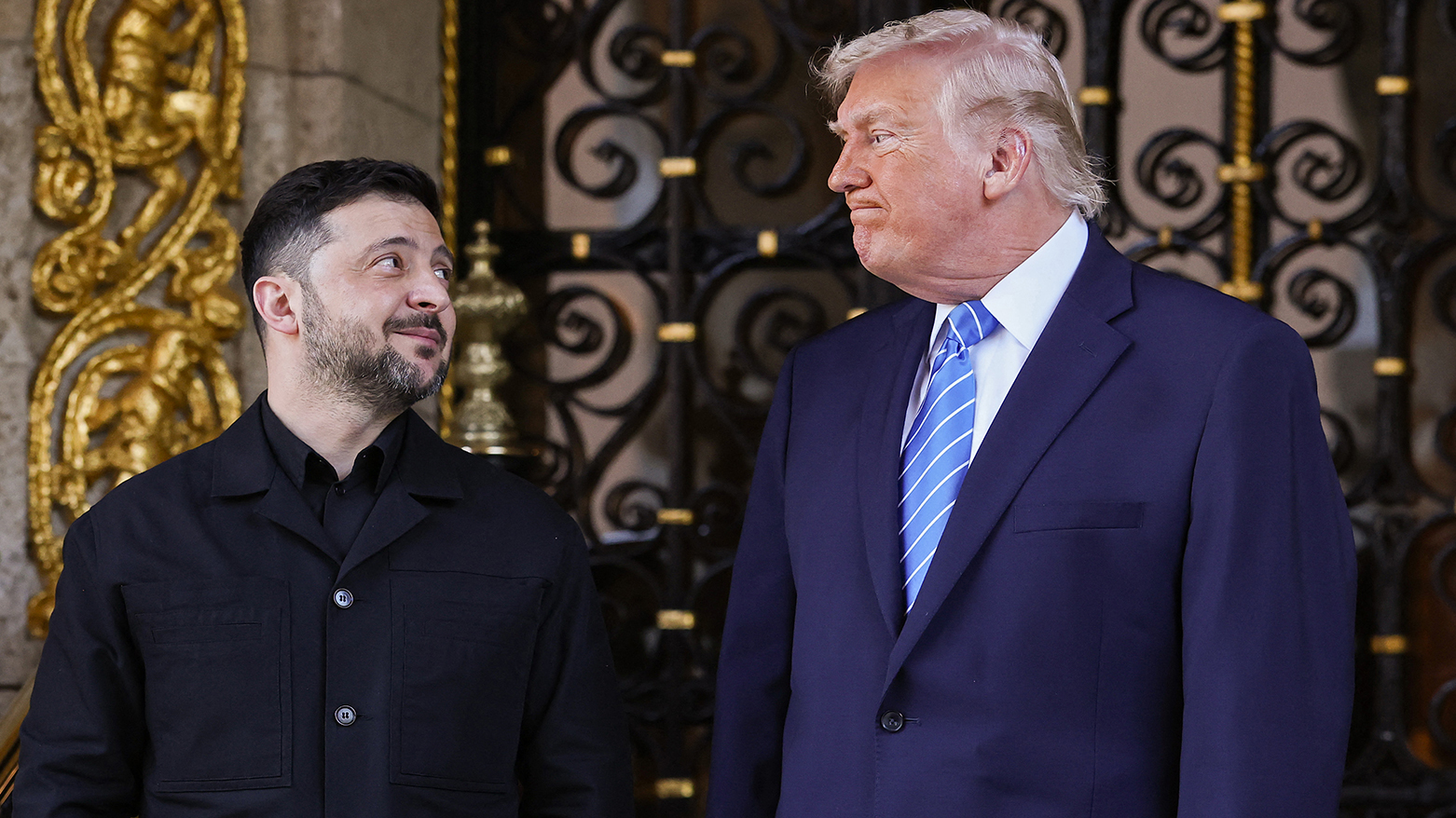
ERBIL (Kurdistan24) — Senior U.S., European, and Ukrainian officials have intensified diplomatic coordination on ending the war in Ukraine, as Kyiv cautioned that critical issues remain unresolved despite growing momentum toward a potential settlement.
U.S. President Donald Trump’s Special Envoy Steve Witkoff said on Wednesday that he, alongside U.S. Secretary of State Marco Rubio and Jared Kushner, held a “productive call” with national security advisers from the United Kingdom, France, and Germany, as well as Ukrainian President Volodymyr Zelenskyy. The talks focused on advancing what Witkoff described as the next practical steps in President Trump’s European peace process.
According to Witkoff’s statement on X, discussions centered on strengthening security guarantees for Ukraine and developing effective deconfliction mechanisms aimed at ending the war and preventing its resumption.
The call also addressed a proposed “prosperity package” for Ukraine, designed to support long-term recovery, resilience, and economic growth once the conflict ends. Witkoff said further coordination would continue into the New Year.
The diplomatic engagement came hours after President Zelensky said Ukraine was close to an agreement to end the war but warned against premature optimism. In his New Year’s Eve address, Zelensky said a peace deal was “90 percent ready,” adding that the remaining 10 percent would determine “the fate of peace, the fate of Ukraine and Europe.”
“We want an end to the war, but not at any cost,” Zelensky said, stressing that any agreement must include strong security guarantees to deter Russia from launching another invasion. He also warned that conceding territory would embolden Moscow.
U.S.-led efforts to resolve Europe’s deadliest conflict since World War II have accelerated in recent weeks, but sharp differences remain, particularly over territory. Russia currently occupies around 20 percent of Ukraine and has pressed for full control of the eastern Donbas region as part of any settlement—an outcome Kyiv has firmly rejected.
The war, now entering its fifth calendar year, has devastated Ukraine, displacing millions and reducing entire cities to rubble, while reshaping European security dynamics and straining relations between Russia and the West.
In Moscow, President Vladimir Putin struck a defiant tone in his annual New Year’s Eve address, urging Russians to “believe in victory” in Ukraine. Addressing Russian soldiers, whom he described as “heroes,” Putin said the military would achieve its objectives, reiterating previous warnings that Russia would seek to seize additional Ukrainian territory by force if negotiations fail.
Tensions escalated further this week after the Kremlin accused Ukraine of launching dozens of drones toward Putin’s lakeside residence in Russia’s Novgorod region. Moscow described the incident as a “personal” and “terrorist attack” against the Russian leader and said it would toughen its negotiating position as a result.
The defense ministry released nighttime footage showing what it said was a damaged Ukrainian drone lying in the snow.
However, the U.S.-based Institute for the Study of War said it had not seen corroborating evidence typically associated with confirmed Ukrainian deep strikes, casting doubt on the Kremlin’s claims.
Putin has not publicly commented on the alleged attack, and Russian authorities have not disclosed his location at the time.
As diplomatic efforts intensify, both Kyiv and Moscow appear entrenched in their core positions, underscoring the difficulty of bridging remaining gaps despite renewed international engagement aimed at ending the war.