Dukan Dam Water Levels Surge Following Heavy Snow and Rainfall, Director Reports
Dukan Dam levels rose 4.39 meters after heavy snow and rain. Director Kochar Jamal reported 322mm of rainfall, surpassing last year’s total. Inflow is up sevenfold, but outflows remain restricted.
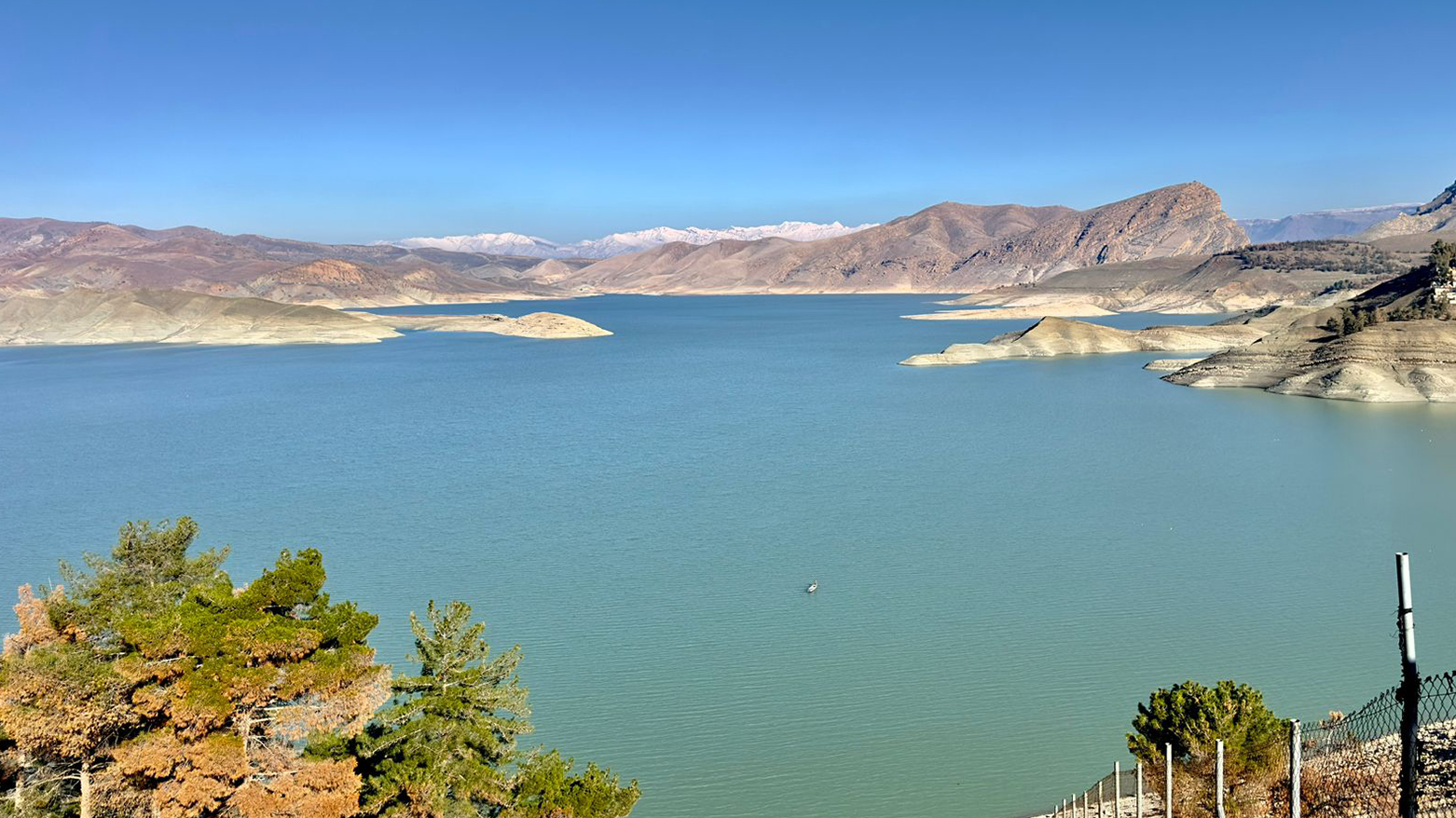
ERBIL (Kurdistan24) — Water levels at the Dukan Dam have risen significantly following a period of intense precipitation, prompting officials to adopt a strategy of resource preservation to secure supplies for the coming seasons. According to a statement provided to Kurdistan24 on Saturday, Engineer Kochar Jamal, the Director of the Dukan Dam, confirmed that recent weather patterns have driven the reservoir's level up by more than four meters, a marked turnaround from the hydrological conditions observed during the same period last year.
The sharp increase in water volume is attributed to two distinct waves of snow and rain that have swept through the region. In his assessment of the situation, Jamal reported that the water level of the dam has risen specifically by 4 meters and 39 centimeters.
This accumulation underscores the severity and impact of the recent meteorological events in the Kurdistan Region, which have provided a critical boost to the area's water reserves.
Jamal presented detailed statistics regarding the current rainfall season, noting that the total precipitation in the area has now reached 322 millimeters. This figure represents a substantial accumulation of water resources, particularly when viewed against the backdrop of historical data from the previous year.
The director emphasized that the impact of the recent weather systems has been profound, effectively altering the water security outlook for the immediate future.
A central component of the director's report was a comparative analysis between the current water year and the conditions recorded one year ago.
Jamal pointed to a "vast difference" between the two periods. He noted that up to this specific date in the previous year, the area had received only 98 millimeters of rain.
In stark contrast, the current season has already delivered 322 millimeters. This disparity highlights a significant improvement in precipitation levels, suggesting a shift from the drier conditions that characterized the early months of the prior year.
Furthermore, the director highlighted an even more telling statistic regarding the total rainfall volume.
Jamal noted that the rainfall accumulated so far this year has already exceeded the total rainfall recorded for the entirety of last year.
According to the figures provided, the total rainfall for the previous year stood at 230 millimeters. With the current season already registering 322 millimeters, the region has surpassed the previous year's total aggregation well before the conclusion of the current winter and spring seasons.
The influx of water into the dam's reservoir has naturally intensified alongside the precipitation.
Jamal reported that the rate of water inflow into the Dukan Dam has increased sevenfold compared to the same date last year. This dramatic surge in inflow rates indicates a robust recovery in the hydrological system feeding the dam, driven by the combination of heavy rainfall and the melting of recent snowfalls referenced in the director's statement.
Despite the abundance of water entering the system, dam authorities are maintaining a cautious and conservative approach regarding water release.
Jamal outlined the current operational strategy, stating that the dam management is currently releasing only a very small amount of water. This decision is being driven by specific prioritization of needs, with the outflow currently dedicated solely to providing drinking water for the cities and towns that rely on the dam’s supply.
The director explained the reasoning behind this restricted flow, framing it as a measure necessary for long-term resource security. The primary objective of limiting the release to essential drinking water supplies is to preserve the water reserve for future seasons.
By banking the excess inflow now, authorities aim to ensure that sufficient water remains available for the region's needs later in the year, when rainfall may be less frequent and demand potentially higher.
The focus on providing for the "cities and towns that benefit from the dam's water" suggests a prioritized distribution model that places potable water access above other potential uses during this accumulation phase.
This strategy reflects a management philosophy focused on stabilizing the water grid and capitalizing on the wet winter conditions to build a buffer against potential future scarcity.
In his concluding remarks to Kurdistan24, Engineer Jamal expressed a positive outlook for the remainder of the season. He voiced hope that the current trend would continue, characterizing the year as one potentially full of rain and bounty for the Kurdistan Region.
The director signaled an aspiration for the water levels of the dams to reach a "very good level," indicating that while the current rise of over four meters is significant, the ambition for the region's water storage infrastructure is to maximize capacity while the weather permits.
The data presented by the Director of Dukan Dam offers a snapshot of a region currently benefiting from a favorable shift in weather patterns.
With rainfall totals already eclipsing the previous year's entire accumulation and inflow rates surging by a factor of seven, the immediate pressure on water resources appears to have eased. However, the management’s decision to restrict outflows to essential drinking water demonstrates a continued vigilance and a commitment to strategic conservation.