Baghdad Choked by Toxic Air as Pollution Levels Reach Alarming Highs
The observatory warned that widespread industrial activity is the primary driver of air pollution in the city, citing around 10,000 factories operating in and around Baghdad.
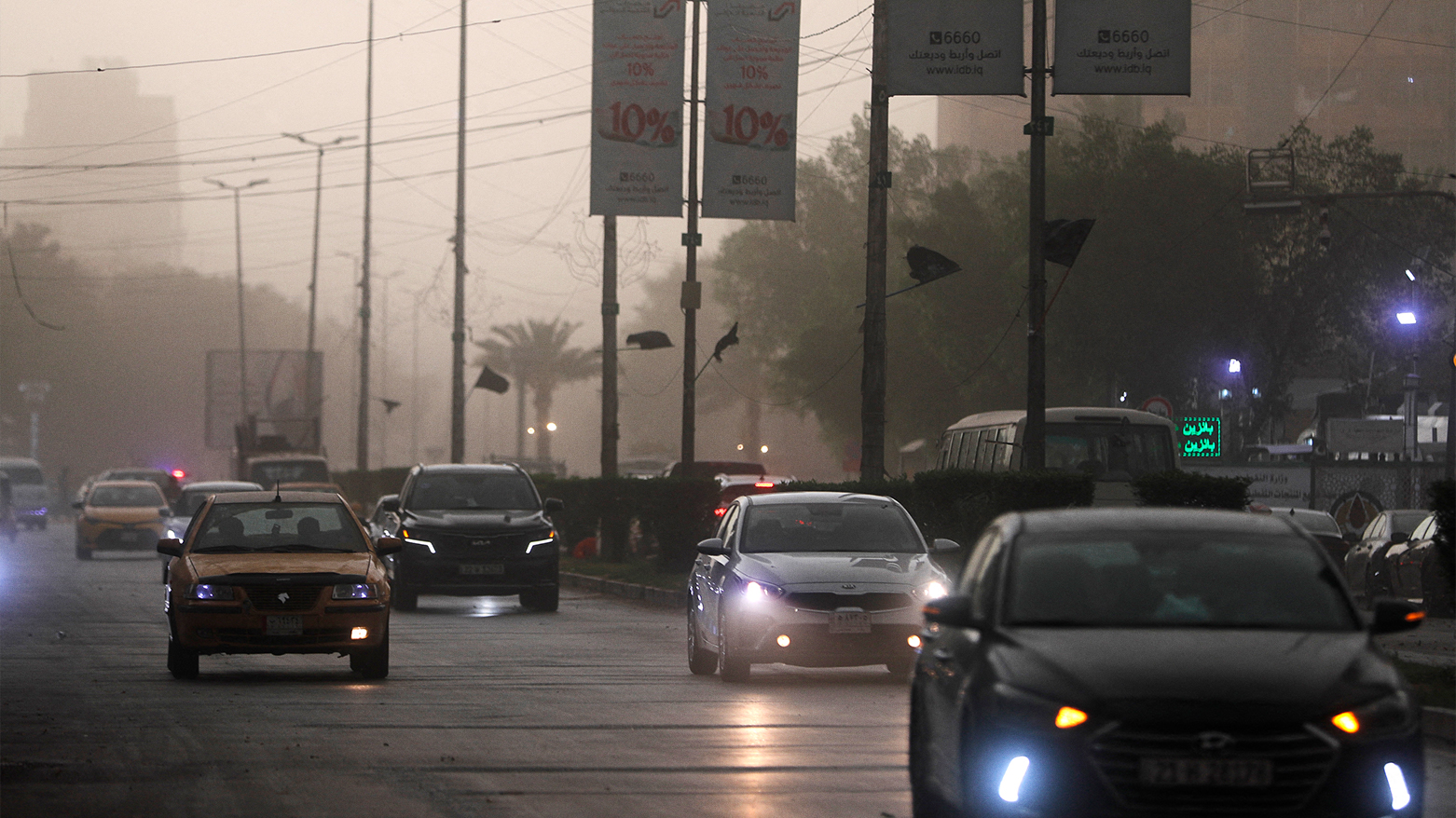
ERBIL (Kurdistan24) – Baghdad’s air quality has deteriorated to dangerous levels, with pollution now forming toxic clouds over the capital, according to a statement issued on Sunday by the Green Iraq Observatory.
The observatory warned that widespread industrial activity is the primary driver of air pollution in the city, citing around 10,000 factories operating in and around Baghdad. Brick kilns, asphalt plants, and pharmaceutical factories were identified as the biggest contributors to harmful emissions.
According to the statement, many of these facilities rely on low-quality fuels such as crude oil, which releases thick smoke when burned. The emissions mix with the air to form toxic substances that pose serious risks to public health.
Vehicle emissions are also worsening the situation. The observatory estimates that more than 2.5 million vehicles operate in the capital, while the lack of green spaces and vegetation has turned Baghdad into what it described as a “concrete jungle” dominated by residential buildings, shops, and malls.
“The air quality in Baghdad is extremely poor,” the observatory warned, adding that continued exposure could lead to health problems such as headaches, diarrhea, and respiratory illnesses if pollution levels keep rising in the coming months.
The concerns were echoed earlier by Iraqi Environment Minister Hallo Askari, who acknowledged that Baghdad faces severe environmental challenges due to the high concentration of domestic industrial factories and poorly managed landfills.
Askari said the Nahrawan and al-Naba’i landfills are major sources of air pollution, noting that they fail to meet health and environmental standards. He added that the Ministry of Environment, in coordination with environmental police, has taken enforcement measures, including the closure of 213 smelters, 241 brick factories in Nahrawan, and 30 other industrial facilities linked to air pollution.
The Green Iraq Observatory said it has repeatedly warned the government and relevant authorities about worsening air quality not only in Baghdad but also in several southern and central Iraqi provinces, calling for urgent and sustained action to address the environmental crisis.