Heavy Precipitation in Kurdistan Region Reverses Drought Trends, Boosting Water Reserves
Record rainfall and snow in Kurdistan have replenished dams and ended drought fears, with Dukan Dam inflows rising sevenfold compared to last year. Rainfall in Raparin is four times the 2023 average, creating unprecedented snow depths and restoring optimism for agriculture.
ERBIL (Kurdistan24) — Following a year marked by pervasive anxiety regarding water scarcity, the Kurdistan Region has experienced a significant meteorological shift over the past month, with heavy rainfall and snowfall dispelling imminent threats of drought.
The sudden abundance of precipitation has revived dormant water sources, caused smaller reservoirs to overflow, and led to a substantial rise in water levels at major strategic dams, according to local officials and meteorological data.
The region, which had faced acute fears of a drying climate throughout the previous year, has seen a dramatic reversal in its hydrological fortunes.
Recent weather patterns have delivered waves of rain and snow that have not only replenished existing water bodies but have also reactivated streams and valleys that had completely dried up during the prior season of scarcity.
The transformation is visible across the landscape, where arid terrain has given way to flowing water, signaling a potential end to the water crisis that had gripped the area.
In many parts of the region, rainfall rates have reportedly exceeded double the average recorded during the same period last year.
This surge in precipitation has overwhelmed the retention capacity of most medium-sized ponds and dams, causing them to spill over—a clear indicator of the sheer volume of water that has fallen in a relatively short timeframe.
This surplus stands in stark contrast to the dangerously low levels recorded previously, offering a reprieve to a population that had been bracing for continued environmental hardship.
The most critical indicator of this recovery is the status of the Dukan Dam, often described as the "lungs" of the Kurdistan Region due to its central role in water management and supply.
At this time last year, the dam’s water levels had dropped to dangerous lows, raising alarms about water security. However, current measurements present a completely different scenario. Kochar Jamal, the Director of Dukan Dam, confirmed the drastic improvement in the facility's reserves following the recent weather events.
According to Jamal, two recent waves of precipitation deposited 322 millimeters of rain in the dam's catchment area. This influx has resulted in a vertical rise in the water level of 4 meters and 39 centimeters.
Highlighting the magnitude of this recovery, Jamal noted that the volume of water entering the dam this year is seven times the amount recorded during the same period last year. This statistical leap underscores the intensity of the recent storms and their pivotal role in securing the region's water reserves for the coming seasons.
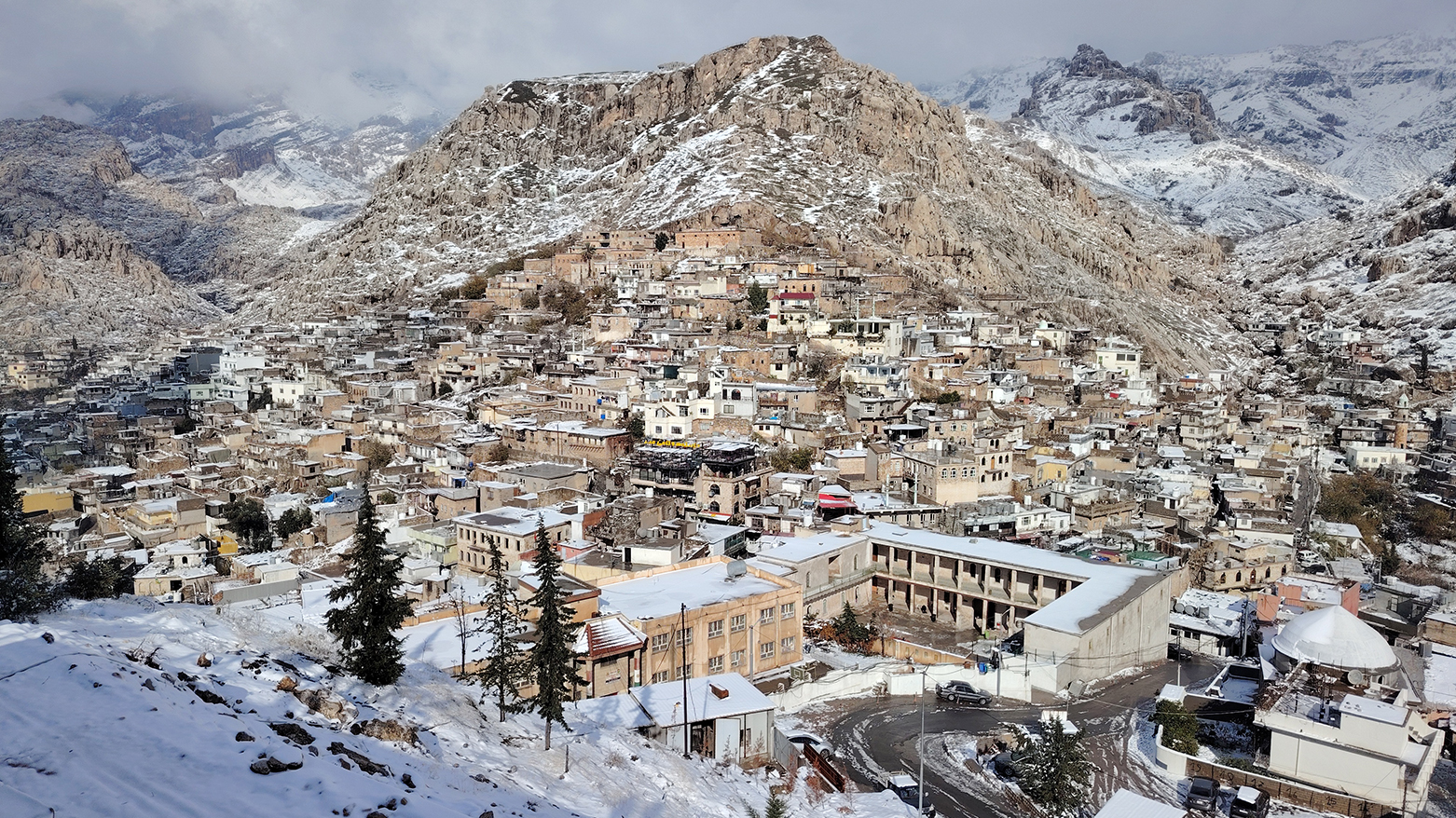
In the Raparin Administration, the impact of the weather is most visible in the form of heavy snowfall. The landscape has been blanketed in white, with accumulation in certain mountainous areas exceeding two meters.
Such depth is described as unprecedented in the past 30 years, marking a historic winter season for the locality. While the heavy snow has created logistical challenges, including traffic obstacles on mountain roads, the disruption has been largely welcomed by the local population, particularly those in the agricultural sector.
For farmers and livestock owners, the deep snow is interpreted as a harbinger of a water-abundant and lush year, essential for the revival of rural livelihoods. Haji Mohammed Amin, a local citizen, expressed the collective sense of relief felt by the community.
Amin noted that the population had reached a point of hopelessness, fearing that a continuation of the previous dry patterns would ruin their lives. "But now, thank God, the threats are gone, and we are all optimistic about this year," Amin said, characterizing the rain and snow as a "blessing" that has restored hope.
Official statistics from the Raparin Administration corroborate the anecdotal evidence of abundance. Data indicates that the average rainfall in the area has approached 400 millimeters, a figure that is four times the amount of rain received at this time last year. These figures suggest that the region is on track to experience one of its wettest recorded years.
Experts analyzing the data predict that this elevated level of precipitation will effectively neutralize the lingering effects of the previous years' drought. The revival of water sources is expected to have a direct and positive impact on the agricultural sector, securing the economic well-being of villagers who rely on the land.
As the winter season begins in earnest, the natural environment of Kurdistan has undergone a distinct visual change, donning a "white and green garment" as described in local reports. With waters flowing torrentially through once-dry channels, the region enters the new year with renewed optimism for a fruitful and secure season.