Mexican President Turns Down Trump’s Offer of U.S. Military Intervention Against Cartels
Mexico rejected Trump's offer of U.S. military intervention against cartels, citing sovereignty, despite rising U.S. pressure and alarm over drone incursions and the recent Maduro ouster.
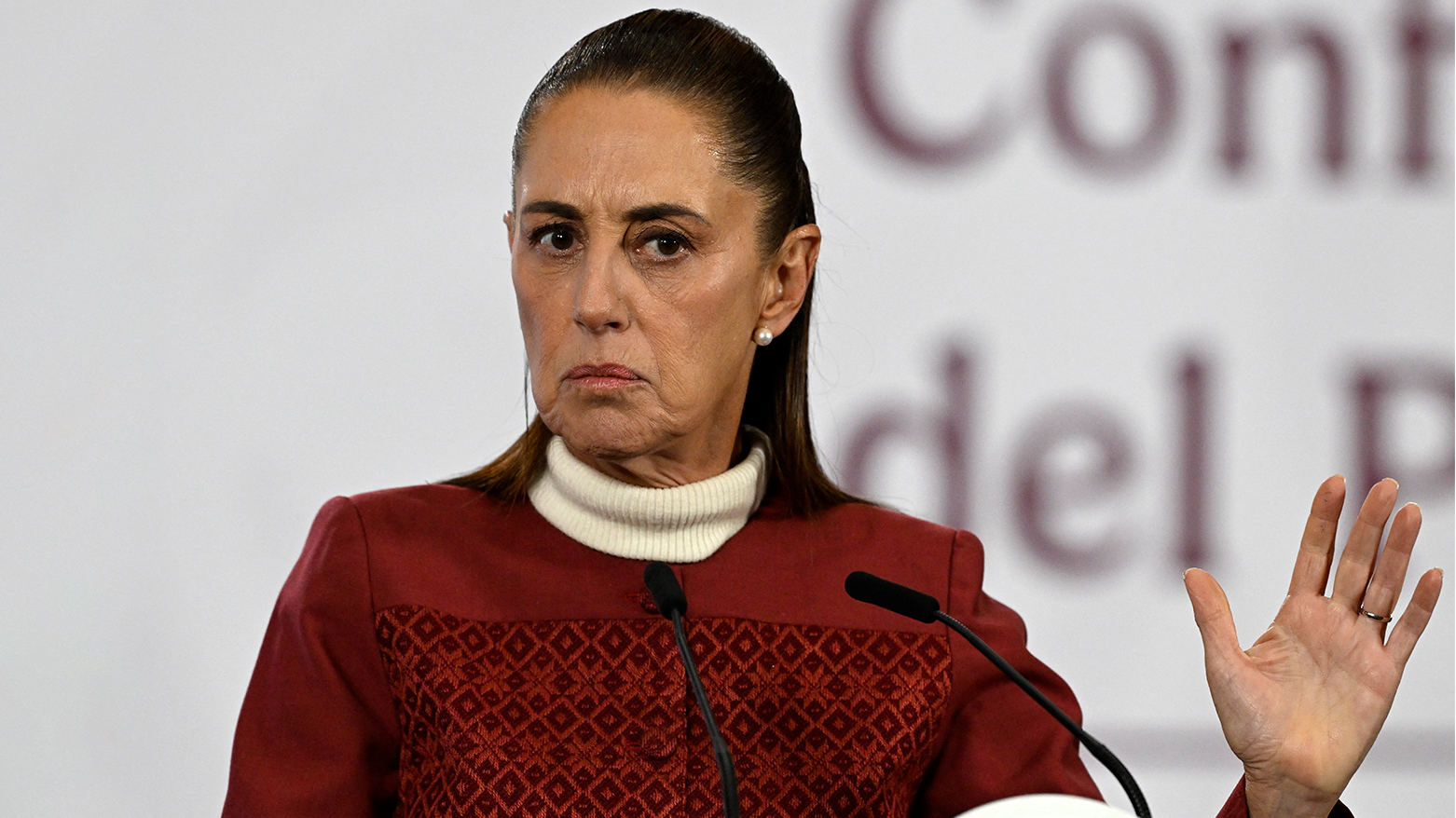
ERBIL (Kurdistan24) - Mexican President Claudia Sheinbaum rejected an offer from U.S. President Donald Trump on Monday to deploy American military forces against drug cartels, asserting that her government would maintain sovereignty and territorial integrity while continuing security cooperation with Washington. The exchange occurred during a roughly 15-minute telephone conversation amid heightening tensions and growing alarm among Mexican officials following the U.S. removal of Venezuelan President Nicolás Maduro.
President Sheinbaum characterized the discussion as a “very good conversation,” noting that she explicitly informed Trump that U.S. intervention was unnecessary. According to The Associated Press, Sheinbaum stated that while the U.S. president insisted that American forces could help if requested, she declined the offer.
“We told him, so far it’s going very well, it’s not necessary, and furthermore there is Mexico’s sovereignty and territorial integrity and he understood,” Sheinbaum said. She emphasized that the Mexican constitution prohibits such interventions.
The conversation followed a week of escalating rhetoric from the White House. In an interview aired last Thursday, Trump declared that drug cartels are “running Mexico” and indicated a readiness to confront them directly on the ground. “We’ve knocked out 97% of the drugs coming in by water and we are going to start now hitting land,” Trump said.
The Wall Street Journal reported that the White House has signaled a willingness to utilize all available tools to combat what it terms “narcoterrorism.” White House spokeswoman Anna Kelly stated that the president’s primary goal is to save American lives and stop the destruction of communities caused by illicit drugs.
While Sheinbaum has publicly maintained a diplomatic tone, The Wall Street Journal reports that high-level Mexican security officials are increasingly alarmed by the implications of the recent U.S. operation in Venezuela.
Since the ouster of Maduro, senior officials in Mexico City have held a series of private meetings to discuss the possibility that the Trump administration may make untenable demands. These fears extend beyond military action to potential U.S. pressure for the arrests of politicians within Sheinbaum’s ruling Morena party whom Washington believes may have ties to cartels.
The sensitivity of the situation was highlighted during a predawn security meeting at the presidential palace two days after Maduro’s capture.
According to people familiar with the discussions cited by The Wall Street Journal, Sheinbaum and top military brass debated how to craft a response that would uphold national dignity without provoking Trump. While Sheinbaum ultimately issued a statement rejecting intervention in domestic affairs, some officials present expressed concern that the language might draw American ire.
Diplomatic pressure is also being applied through cabinet-level channels.
On Sunday, U.S. Secretary of State Marco Rubio spoke with Mexican Foreign Affairs Secretary Juan Ramón de la Fuente, asking for “tangible results” and increased cooperation to dismantle criminal organizations.
In response, Sheinbaum cited government data claiming a significant drop in homicides and a decrease in U.S. fentanyl seizures and overdose deaths as evidence of progress.
However, U.S. officials remain concerned by the evolving tactics of Mexican criminal groups.
The Wall Street Journal reports that cartel drone incursions into U.S. airspace have become a top bilateral security issue. Sources familiar with the events describe scores of commercial drones flying into southern Texas daily to drop drug loads, conduct reconnaissance on law enforcement, or monitor ports of entry.
These drones, often controlled via fiber optic cables to evade signal jammers and radar, represent a growing technological challenge. In October, a cartel deployed a drone bomb against a state prosecutor’s headquarters in Tijuana, less than two miles from the U.S. border, sparking consternation in Washington.
Domestically, Sheinbaum faces a complex political balancing act. She must manage the demands of the Trump administration while navigating the influence of her predecessor and mentor, Andrés Manuel López Obrador.
While Sheinbaum’s reaction to the Venezuela operation was measured, López Obrador issued a scathing condemnation, calling it “an arrogant attack on the sovereignty of the Venezuelan people.” Analysts suggest this divergence complicates Sheinbaum’s position, as she risks infuriating the nationalist faction of her coalition if she appears too accommodating to U.S. pressure.
Despite the rejection of troops, Mexico has taken steps to placate Washington. Over the past year, the government has ramped up seizures of drug labs, imposed tariffs on China, and expelled 55 convicted drug traffickers to the U.S., bypassing standard extradition laws.
Nevertheless, experts warn that unilateral U.S. action remains a risk if the administration views Mexico’s efforts as insufficient. Eduardo Guerrero, a Mexican security analyst, noted that unilateral military intervention would likely trigger a nationalist backlash and destroy bilateral cooperation, ultimately benefiting organized crime.
Jorge Castañeda, a former Mexican foreign minister, told The Wall Street Journal that while Sheinbaum has had some success against cartel members, targeting politicians within her own party remains a significant red line. “Going after cartels is one thing, but handing over politicians is another kettle of fish,” Castañeda said.
Sheinbaum confirmed that she and Trump did not discuss Cuba during their call, despite Trump’s recent threats toward the island nation. Mexico remains a key economic partner for Cuba, supplying oil that has become critical following the Trump administration’s move to block shipments from Venezuela.