Denmark, Greenland to hold high-stakes talks with US leadership amid renewed Greenland debate
Meeting at the White House comes as Washington ramps up pressure over the strategic Arctic territory, alarming European allies and NATO.
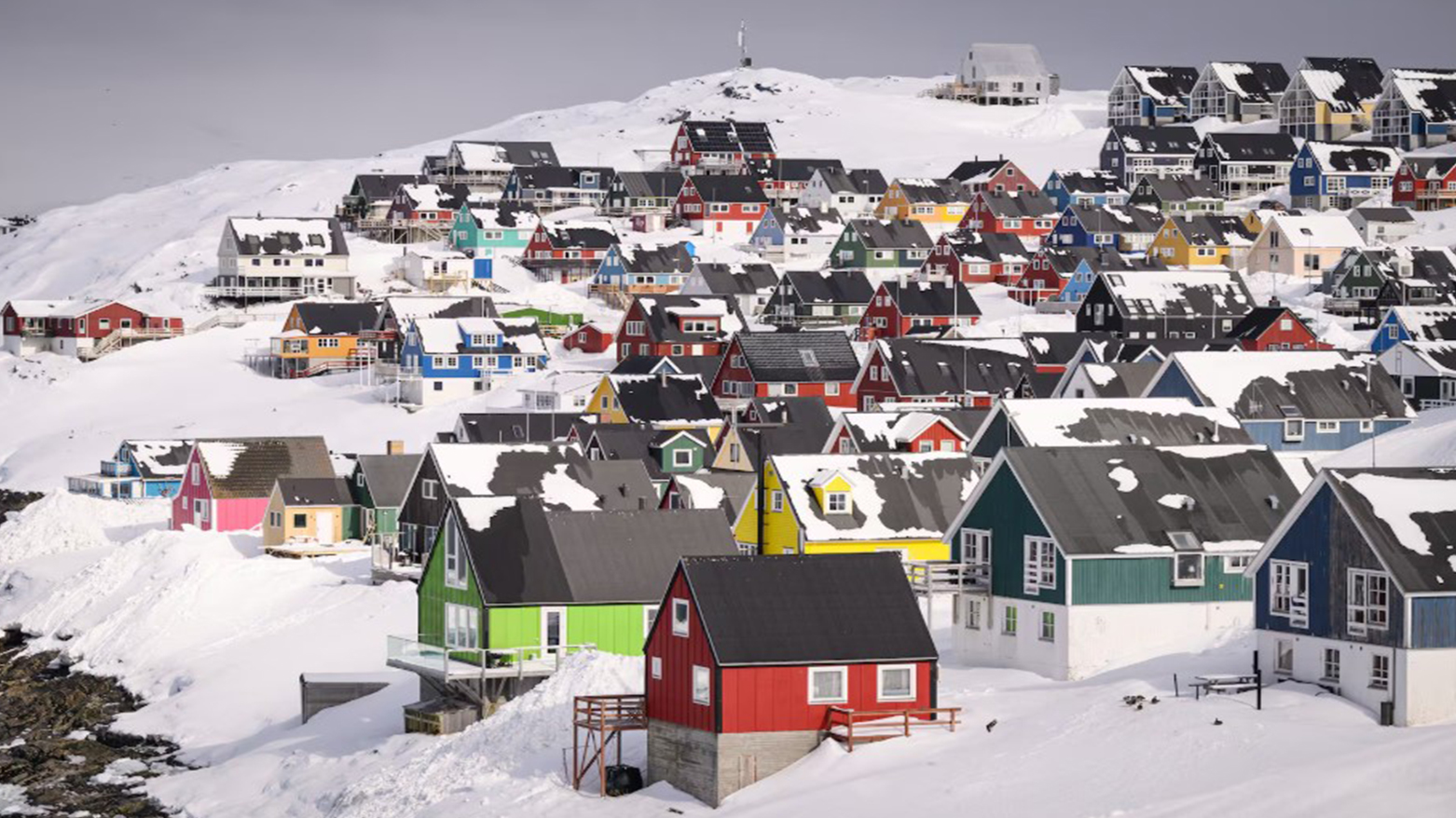
ERBIL (Kurdistan24) — Denmark’s Foreign Minister Lars Løkke Rasmussen said on Tuesday that he and Greenland’s foreign affairs minister, Vivian Motzfeldt, will meet US Vice President JD Vance and Secretary of State Marco Rubio at the White House on Wednesday, as tensions escalate over US President Donald Trump’s renewed push to acquire the Arctic territory.
Trump, who has floated the idea of buying or annexing Greenland for years, further inflamed the dispute on Sunday by declaring that the United States would take control of the island “one way or the other.” The remarks have triggered urgent diplomatic efforts in Copenhagen and across Europe to prevent a deepening crisis with Washington.
Speaking to reporters after a foreign policy meeting in Denmark’s parliament, Rasmussen said the talks were requested by Denmark and Greenland in an effort to defuse tensions through direct dialogue.
“Our reason for requesting the meeting has been to move the entire discussion into a meeting room, where you can look each other in the eye and talk through these issues,” he said. Rasmussen added that Vance had asked to take part in the meeting and would host it.
The diplomatic push extends beyond Washington. Danish Defense Minister Troels Lund Poulsen is also due to meet NATO Secretary General Mark Rutte to discuss Arctic security, alongside Motzfeldt. Rutte said on Monday that the alliance was working on “the next steps” to bolster security in the High North, as diplomats confirmed that some NATO members have floated the idea of launching a new mission in the region, though no concrete proposals have yet been agreed.
The talks come against the backdrop of increasingly blunt warnings from the Trump administration. Last week, Vance urged European leaders to take Trump “seriously” on Greenland, accusing Denmark and other NATO allies of failing to adequately protect the strategically located island from Russian and Chinese influence.
He argued that the United States needs Greenland for missile defense, citing increased military activity by Moscow and Beijing and the rapid melting of Arctic ice due to climate change.
“So what we’re asking our European friends to do is to take the security of that land mass more seriously,” Vance said at a White House briefing. “Because if they’re not, the United States is going to have to do something about it.” He declined to specify what action Washington might take, saying the matter ultimately rested with the president as diplomatic engagement continued.
European capitals have been scrambling to coordinate a response after the White House confirmed that Trump still wants to buy Greenland and has refused to rule out the use of force. The threats have infuriated Denmark—a founding NATO member and long-time US ally—and set off alarm bells across the continent, where officials warn that any military action would pit the United States against a fellow alliance member and risk undermining NATO’s collective defense principle.
A flurry of diplomacy is underway to head off such a scenario. British Prime Minister Keir Starmer raised Greenland during calls with Trump this week, emphasizing the need to strengthen security in the “high Arctic,” while European leaders have issued joint statements backing Denmark and Greenland’s right to determine the island’s future.
French President Emmanuel Macron went further, warning that the United States appeared to be “turning away” from its allies and stressing the importance of global governance at a time when, he said, “every day people wonder whether Greenland is going to be invaded.”
Despite the backlash, the Trump administration has maintained a confrontational tone toward Europe. Vance has long criticized European defense spending, and a new US national security strategy released in December sharply attacked Europe, accusing it of facing “civilisational erasure” and calling for the cultivation of resistance among right-wing political movements.
As Rasmussen and Motzfeldt prepare for their White House meeting, European officials hope that face-to-face talks can rein in the rhetoric and refocus discussions on cooperation rather than confrontation.
With Arctic security rising rapidly on NATO’s agenda, the outcome of this week’s meetings could prove pivotal in determining whether the dispute over Greenland escalates—or is steered back toward diplomacy.