KRG Council of Ministers to Discuss 2026 Budget and Oil Export Agreement Implementation
The Council will also follow up on the disbursement of salaries for November and December 2025, and work to ensure the timely payment of monthly salaries and other financial entitlements for 2026.
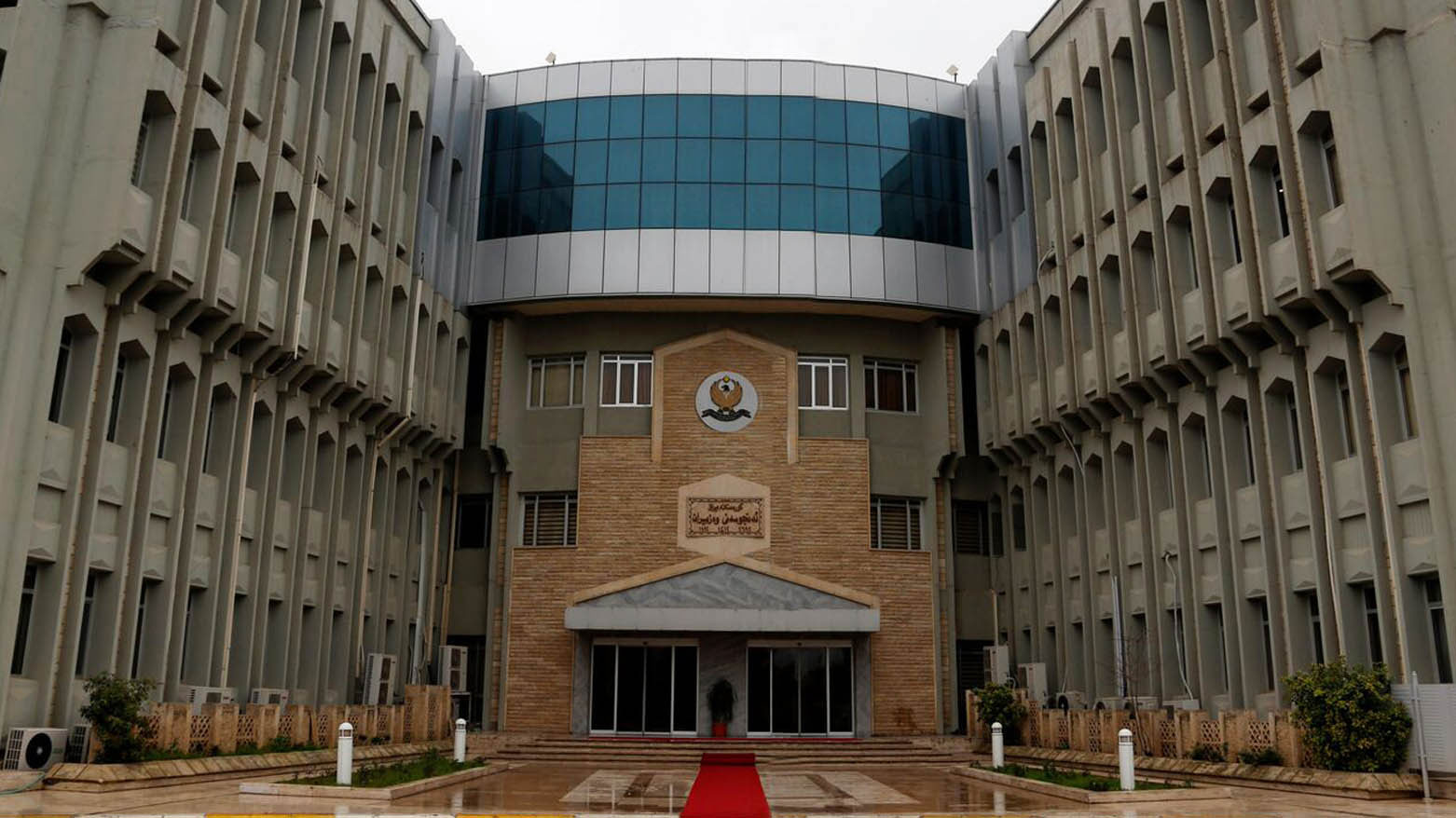
ERBIL (Kurdistan24) — The Kurdistan Regional Government (KRG) Council of Ministers is scheduled to meet on Wednesday to discuss the region’s financial situation and oversee the implementation of the tripartite agreement for the resumption of Kurdistan’s oil exports.
The meeting will focus on two main agenda items:
1: 2025 Fiscal Review and 2026 Budget Planning:
Ministers will review a summary of the 2025 fiscal year and assess the projected financial situation for 2026. The Council will also follow up on the disbursement of salaries for November and December 2025, and work to ensure the timely payment of monthly salaries and other financial entitlements for 2026 within the framework of the federal budget.
2: Implementation of the Tripartite Oil Export Agreement:
The Council will evaluate the KRG’s successful execution of the agreement during the last three months of 2025 and review the progress of its ongoing implementation. Updates will include data on the volume of exported oil and revenues generated from the sale of Kurdistan Region oil, which are transferred to the federal treasury.
The meeting reflects the KRG’s commitment to fiscal transparency and accountability, while ensuring that oil revenues continue to contribute effectively to both the Kurdistan Region and the federal government.
This approach also signals the KRG’s commitment to international investors and financial institutions, reassuring them that the region’s oil sector is managed efficiently and its revenues are accounted for in alignment with federal
The tripartite agreement on the resumption of Kurdistan’s oil exports, reached with the federal government and international partners, aims to regulate the volume of oil exported from the region, as well as the distribution of revenues between Erbil and Baghdad.
Implementation of this agreement is crucial for covering public sector salaries, social services, and infrastructure projects, all of which have historically been affected by delayed or reduced federal transfers.
By integrating financial oversight with the ongoing monitoring of the oil export agreement, the KRG seeks to maintain stability in a region where public finances are closely tied to global energy markets and political dynamics between Erbil and Baghdad.