"Homeland-Art": How Rustam Aghala Weaves Kurdish Myth into Modern Form
Kurdish artist Rustam Aghala tells Kurdistan24 how he forged an independent Kurdish artistic form by blending modern techniques with ancient myths, memory, and national identity, turning tragedy into enduring artistic symbols.
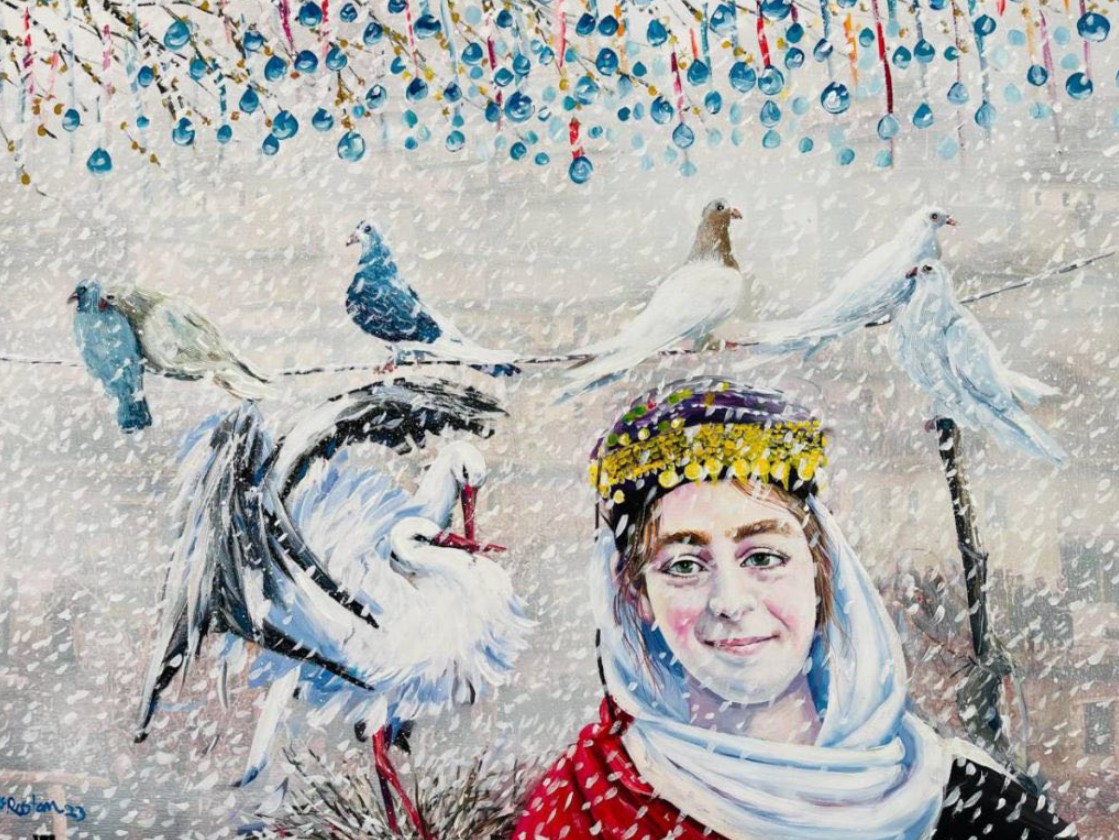
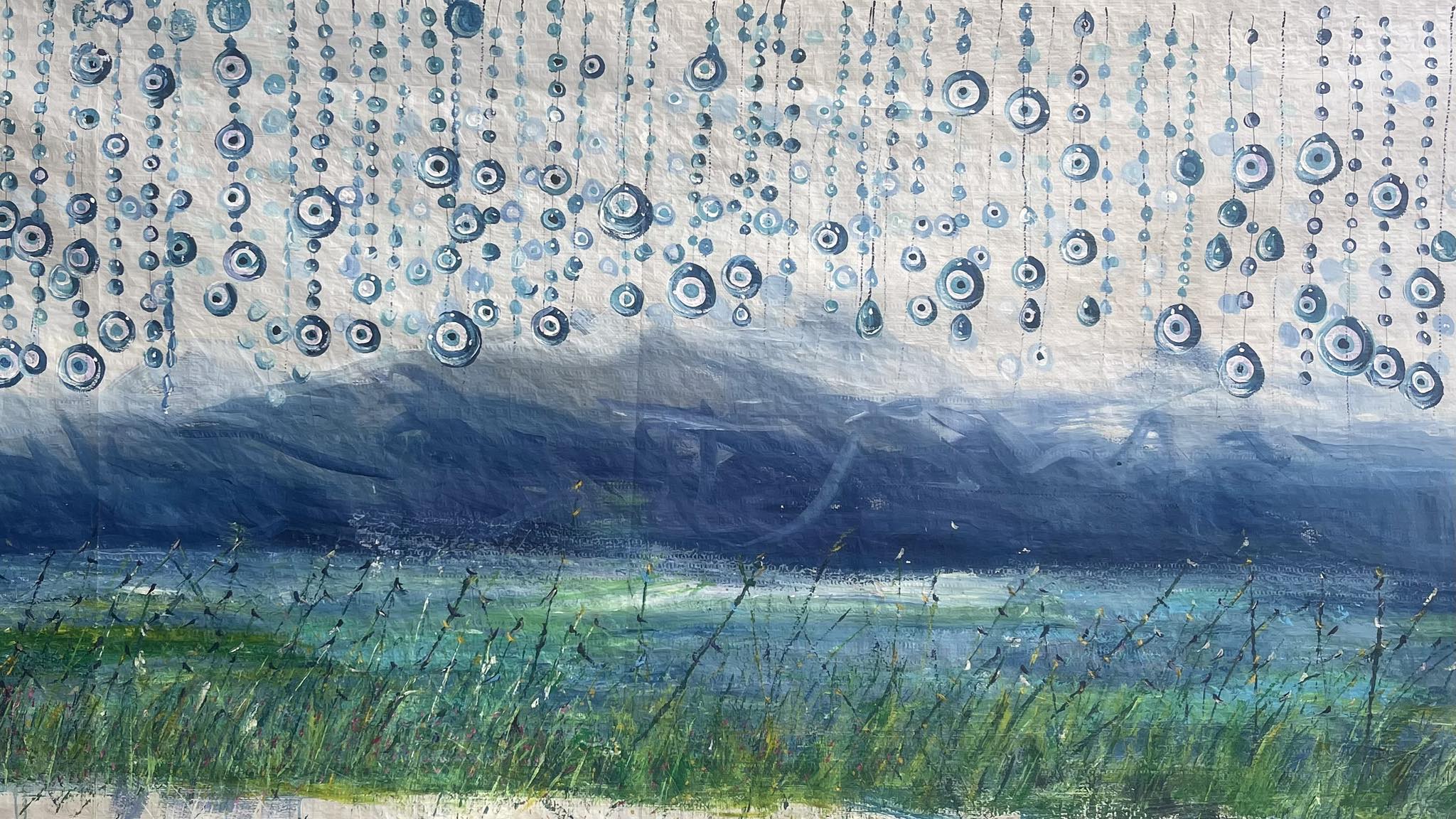
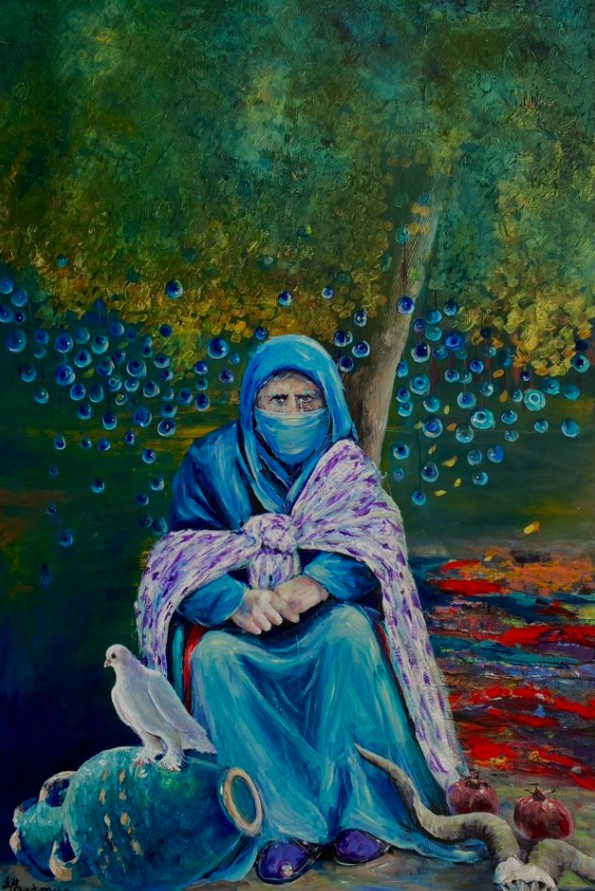
ERBIL (Kurdistan24) - Between memory and form, myth and modernity, Rustam Aghala’s canvases unfold as visual narratives where Kurdish identity is not illustrated, but constructed—layer by layer, symbol by symbol—through a personal and deliberate artistic language.
In a special interview with Kurdistan24, renowned Kurdish artist Rustam Aghala spoke about the modernist trajectory of his work, emphasizing his success in embedding a national identity and an authentic Kurdish form within his paintings.
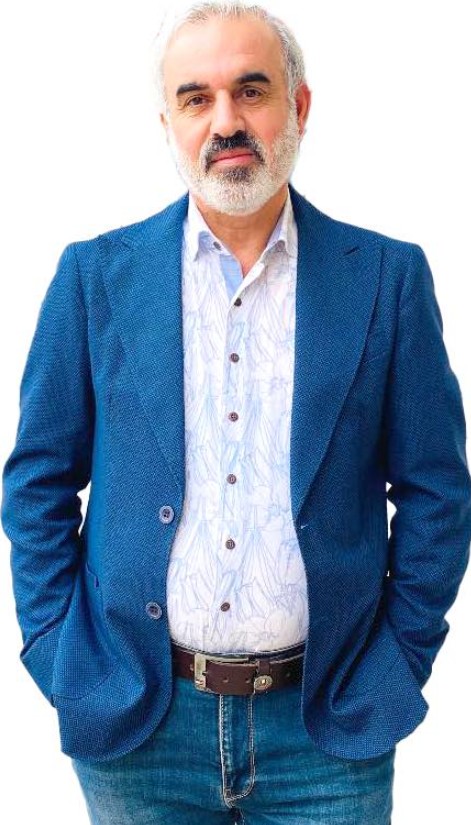
Aghala explained that his artistic approach is rooted in blending contemporary techniques with ancient myths, noting that he was the first artist to bring the mythological figure of “Shamaran” into the field of painting through a modern artistic style. By merging old legends with modern visual language, he said, he sought to open Kurdish art to new expressive possibilities without severing it from its cultural roots.
Influenced by artistic schools associated with figures such as Corbet and Van Gogh, Aghala said he believes that nations are formed through myth, song, and culture. For this reason, he describes his works as “homeland-art.”
“I have tried to establish an independent form for Kurdish art that is not an imitation of foreign artistic models,” Aghala said.
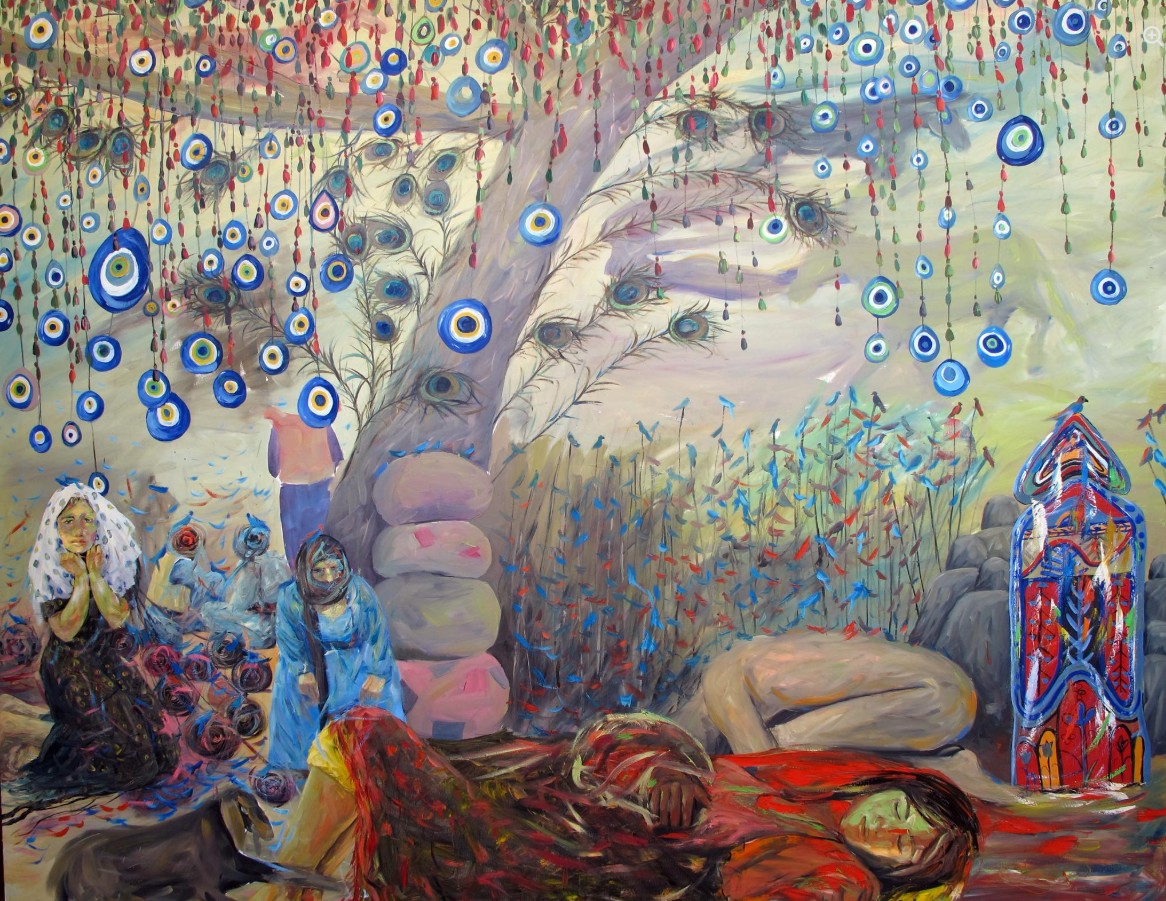
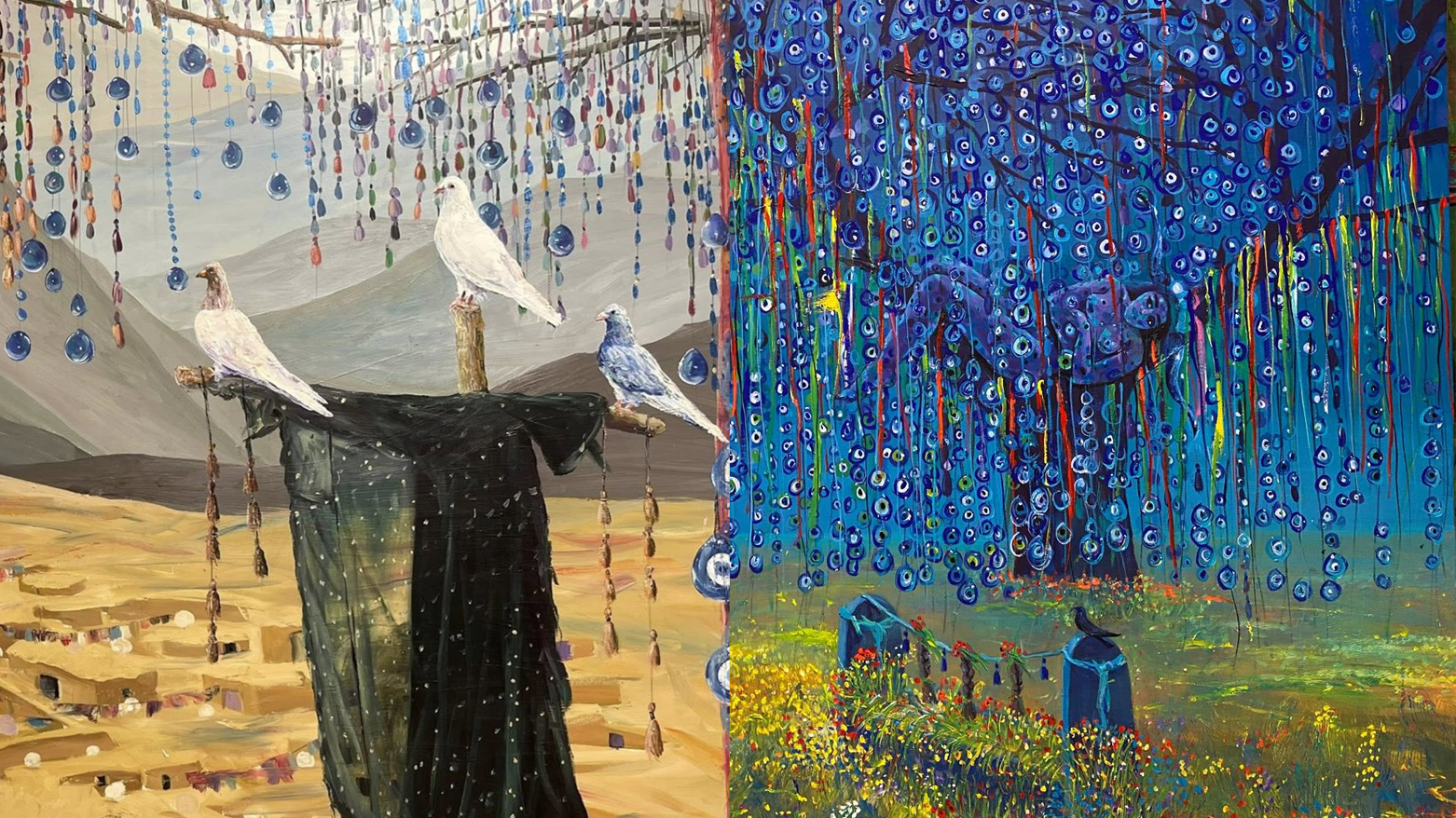
A central element of Aghala’s artistic worldview is tied to the “Daraquta” tree, a site that in 1988 became a place of human execution under the Baath regime. Aghala transformed this solitary tree from a symbol of tragic memory into an artistic sanctuary, referring to it as a “Republic of Loneliness.”
Today, “Daraquta” is not only a living form recurring in his paintings but has also become the emblem and logo of the Aghala Museum, embodying both memory and resistance through art.
Aghala’s work extends beyond the canvas. In the early 1990s, he transformed an old Qaysariyya in Koya—once a neglected and garbage-filled space—into an artistic center. With his own hands, he cleaned the site and opened its first exhibition, drawing public attention to the importance of the historical structure and restoring life to it.
Still working with the same childlike energy, Rustam Aghala continues his artistic journey, with several new projects and exhibitions planned abroad, remaining in pursuit of beauty—a pursuit he recalls through Dostoevsky’s words: “One day, beauty will save the world.”