U.S. CENTCOM Commander Calls for Restraint and Cooperation in Syria
"We also urge Syrian government forces to cease any offensive actions in areas between Aleppo and al-Tabqa," stated Adm. Brad Cooper, CENTCOM Commander.
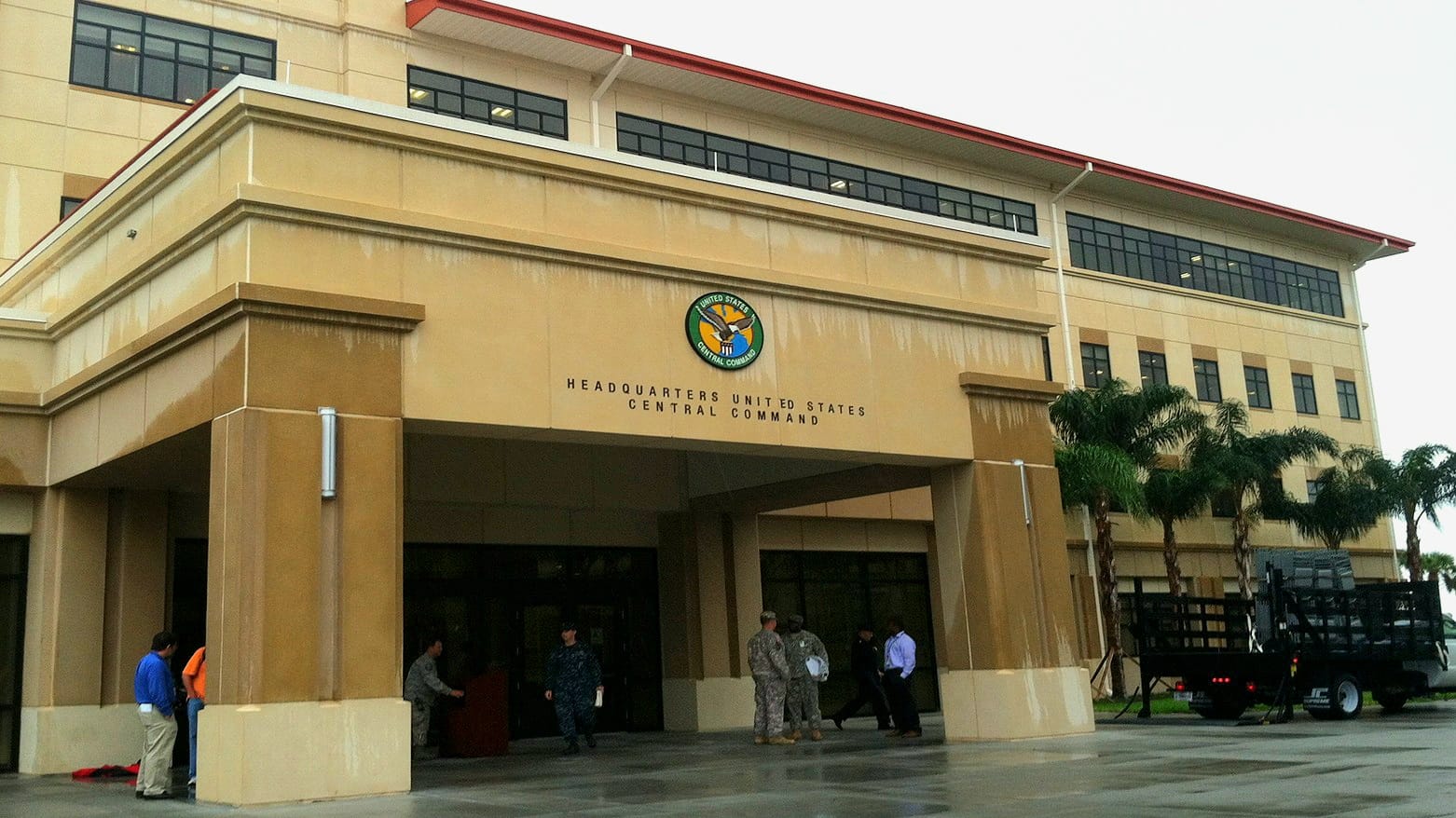
ERBIL (Kurdistan24) — Adm. Brad Cooper, Commander of the United States Central Command (CENTCOM), has called on all parties in Syria to prevent escalation and resolve conflicts through dialogue, while urging Syrian government forces to halt offensive actions in areas between Aleppo and al-Tabqa.
In a statement, Adm. Cooper highlighted the importance of coordinated military efforts, saying that aggressively pursuing ISIS and applying sustained pressure requires teamwork among Syrian partners, in close cooperation with U.S. and coalition forces.
“A Syria at peace with itself and its neighbors is essential to peace and stability across the region,” he said, underlining the broader strategic significance of calm and collaboration in northern Syria.
Statement from Adm. Brad Cooper, CENTCOM commander: pic.twitter.com/jPdDkTx8MP
— U.S. Central Command (@CENTCOM) January 17, 2026
The statement comes amid ongoing tensions in northern and northeastern Syria, where multiple actors, including Syrian government forces, Kurdish-led Syrian Democratic Forces (SDF), and international coalition troops, operate in close proximity.
The region remains critical to counterterrorism efforts, particularly against remnants of ISIS, while also serving as a focal point for diplomatic and military coordination.
Adm. Cooper’s remarks reflect U.S. priorities in Syria: ensuring civilian protection, supporting inclusive political solutions, and maintaining cooperation among local and international partners to prevent renewed conflict and stabilize the region.
Complementing these concerns, U.S. Senator Lindsey Graham on Saturday warned that any military action by the Syrian government against Kurdish forces would “create tremendous instability in Syria and the region” and would reveal the true intentions of the new leadership in Damascus.
In a post on X, Graham said he would do “everything in my power to revive the Caesar Act sanctions, making them even more bone-crushing” if attacks occurred.
Graham’s remarks come amid heightened tensions in northern and northeastern Syria, where Kurdish-led SDF forces control significant territory and remain a key U.S. partner in counterterrorism efforts.
The SDF played a central role in dismantling ISIS’s territorial control during Syria’s prolonged civil war, though clashes and political deadlock with Damascus have persisted.
While Damascus has signaled interest in reintegrating Kurdish-held areas into the Syrian state, negotiations over governance, security arrangements, and Kurdish rights have stalled, raising fears of renewed confrontation.
The Caesar Syria Civilian Protection Act, enacted by the United States in 2019, imposed sweeping sanctions on the Assad government and its allies over war crimes and human rights abuses, severely limiting Syria’s access to international markets and reconstruction funding.
Reviving and expanding these measures, as Graham suggested, would further strain Syria’s fragile economy and complicate efforts by the new authorities to gain international legitimacy.