Sen. Graham Warns Damascus Against Military Action on Kurds, Threatens to Revive Caesar Sanctions
U.S. Senator Lindsey Graham says any attack on SDF would signal the nature of Syria’s new leadership and deepen regional instability.
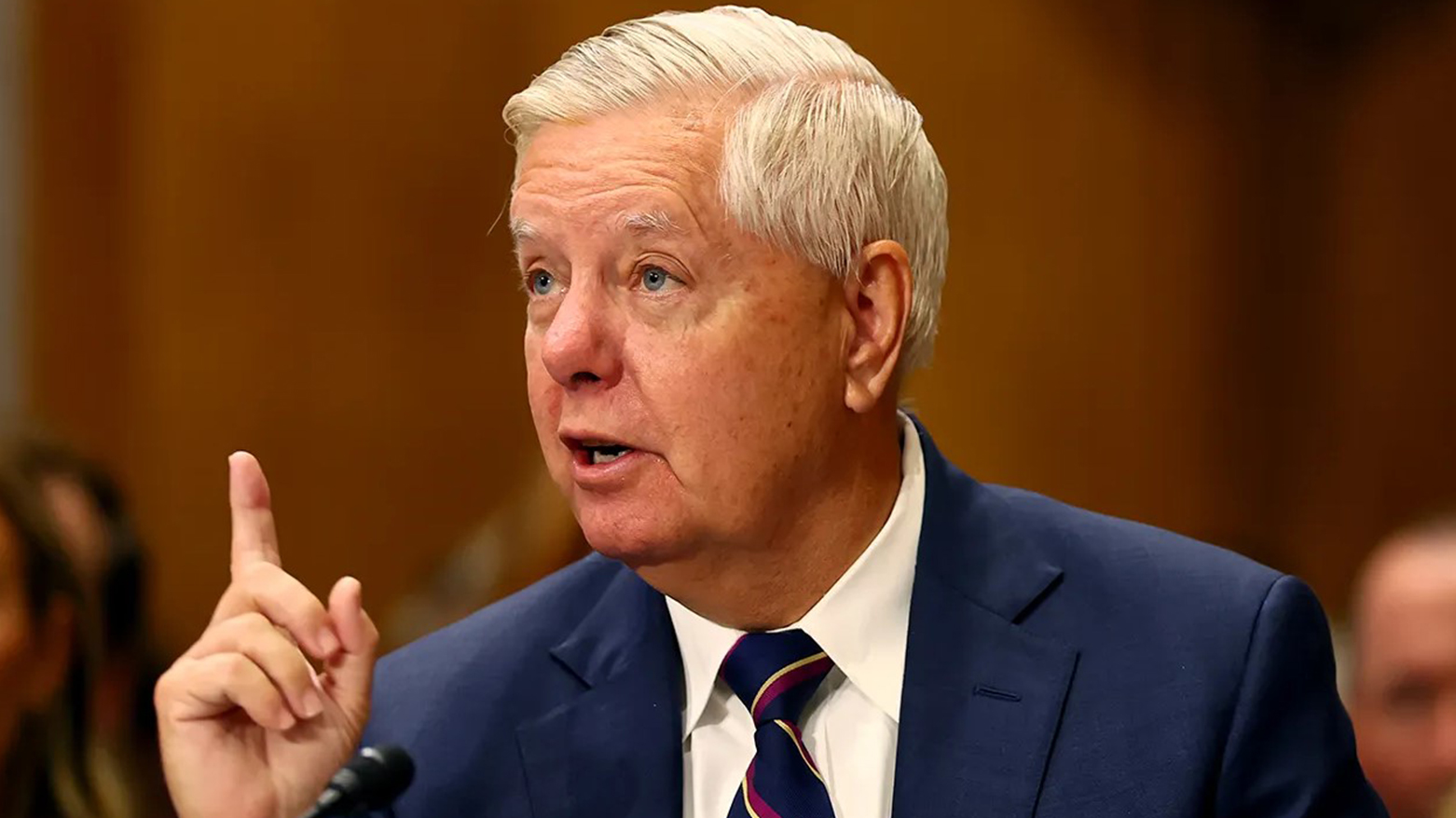
ERBIL (Kurdistan24) — U.S. Senator Lindsey Graham on Saturday warned Syria’s new authorities against using military force against Syrian Kurds and the Syrian Democratic Forces (SDF), cautioning that such a move would destabilize the country and the wider region and prompt a renewed push for harsh U.S. sanctions.
In a post on X, Graham said that any military action by the new Syrian government against Kurdish forces would “create tremendous instability in Syria and the region” and would reveal the true intentions of the new leadership in Damascus.
He added that if such action were taken, he would do “everything in my power to revive the Caesar Act sanctions, making them even more bone-crushing.”
Graham’s remarks come amid heightened tensions in northern and northeastern Syria, where Kurdish-led forces control significant territory and remain a key U.S. partner in the fight against the Islamic State (ISIS).
The SDF, backed by Washington, played a central role in dismantling ISIS’s territorial control during Syria’s prolonged civil war, though clashes and political deadlock with Damascus have persisted.
The warning also follows a period of uncertainty after the ouster of longtime Syrian ruler Bashar al-Assad, as the Islamist-led government seeks to consolidate authority across the country.
While Damascus has signaled interest in reintegrating Kurdish-held areas into the Syrian state, negotiations over governance, security arrangements, and Kurdish rights have stalled, raising fears of renewed confrontation.
The Caesar Syria Civilian Protection Act, enacted by the United States in 2019, imposed sweeping sanctions on the Assad government and its allies over war crimes and human rights abuses. The sanctions severely restricted Syria’s access to international markets and reconstruction funding.
Reviving and expanding those measures, as Graham suggested, would further strain Syria’s already fragile economy and complicate efforts by the new authorities to gain international legitimacy.
Kurdish leaders have repeatedly warned that military pressure would undermine prospects for a political settlement, insisting that any lasting solution must guarantee Kurdish political, cultural, and administrative rights within a unified Syria.
Regional and international actors, including the United States, have similarly emphasized dialogue and negotiated arrangements as the only viable path to stability.
President Masoud Barzani on Saturday received Tom Barrack, U.S. Ambassador to Turkey and President Donald Trump’s Special Envoy to Syria, in Pirmam, Erbil, to discuss the situation in Syria and recent developments on the ground.
In that meeting, Ambassador Barrack conveyed President Trump’s greetings and respect to President Barzani and expressed appreciation for his role in supporting the peace process and helping to de-escalate recent tensions in Syria.
According to a statement published by President Barzani's office, the discussions focused on the evolving situation in Syria and the latest field developments.
Both sides underscored that resolving the country’s challenges requires reliance on dialogue, mutual understanding, and peaceful approaches rather than confrontation.
President Barzani, for his part, thanked the United States for its efforts in assisting Syrian parties toward resolving outstanding issues.
Barzani emphasized that ensuring the political and cultural rights of the Kurdish people must be a fundamental component of any future settlement in Syria.
Graham’s statement underscores growing scrutiny in Washington over the direction of Syria’s post-Assad leadership and signals that U.S. lawmakers remain prepared to use economic pressure should Damascus resort to force against Kurdish groups or abandon inclusive political approaches.