SDF Warns of Widening Security Risks as Clashes Intensify Near Tishreen Dam and Tensions Grip Raqqa
The SDF says it carried out joint operations with the YPJ near Tishreen Dam, destroying a Syrian army tank and military positions, as separate armed clashes in Raqqa heightened civilian fear and instability.
ERBIL (Kurdistan24) - From the outskirts of the strategic Tishreen Dam to the streets of Raqqa, northern Syria witnessed a sharp escalation as the Syrian Democratic Forces announced lethal military operations against Syrian army positions, while separate armed clashes deepened instability and fear among civilians in one of the region’s most fragile cities.
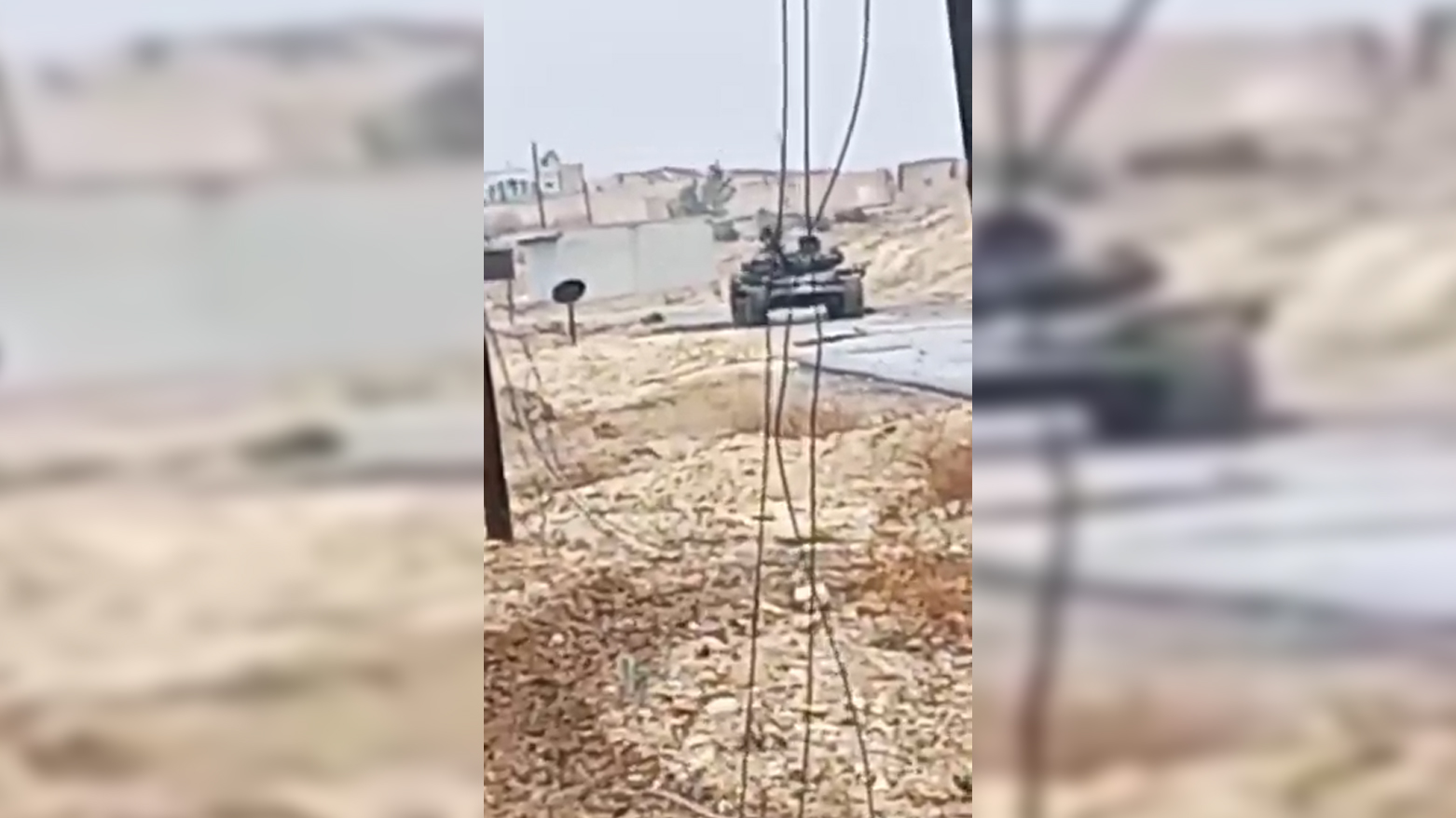
On Sunday, the Media Center of the Syrian Democratic Forces (SDF) announced that its forces, in joint operations with the Women’s Protection Units (YPJ), carried out a series of successful attacks against the Syrian Arab Army in the vicinity of Tishreen Dam.
According to the statement, the operations targeted multiple locations around the dam. Near Syriatel Hill, close to Tishreen Dam, SDF forces struck a gathering of armed personnel who were preparing to carry out an attack, resulting in the complete destruction of a tank.
The SDF added that, in the same area, its forces conducted a precise drone strike targeting the center of another armed gathering, causing a large explosion.
In a further development, the statement said SDF units destroyed a military base and a fortified position used by Syrian army forces in the village of Haji Husseini, which falls within the Tishreen Dam area.
The SDF emphasized that these operations led to the killing and wounding of a number of fighters, alongside the total destruction of a tank and the disabling of several military positions.
At the same time, a separate but related security deterioration unfolded in the city of Raqqa. The Syrian Observatory for Human Rights reported ongoing and intense armed clashes between the Syrian Democratic Forces and Asayish on one side, and armed tribal groups on the other, creating widespread fear among civilians.
Rami Abdulrahman, director of the Syrian Observatory for Human Rights, told Kurdistan24 that several neighborhoods in central Raqqa have turned into active confrontation zones. He said loud takbir chants were heard from mosques in the Saif al-Dawla neighborhood, describing this as a clear sign of escalating tensions and deepening conflict inside the city.
According to Abdulrahman, unrest has extended beyond residential districts to major public spaces, including al-Naeem and al-Dallah squares, as well as Tal Abyad and al-Wadi streets, where large numbers of anxious residents gathered amid uncertainty and fear over the rapidly changing security situation.
While no confirmed figures are available regarding casualties, the city remains in a highly volatile and dangerous state. As of the time of reporting, no official party had issued clarification regarding the causes or consequences of the security incidents.
Raqqa, once known as the capital of the ISIS caliphate, came under the control of the Syrian Democratic Forces after its liberation in 2017. Since then, the city’s complex tribal and social composition has periodically given rise to security tensions. Disputes between local components and security forces over governance and national identity have remained a persistent underlying source of instability, with any escalation carrying broader risks for northern and eastern Syria.
As military operations continue near Tishreen Dam and armed clashes unsettle Raqqa, the unfolding developments underscore the fragile security balance in northern Syria and the mounting challenges facing both civilians and armed actors on the ground.