Saudi-UAE Media War Exposes Deepening Gulf Rift After Yemen Clashes
Analysts warn escalating rhetoric could spill into economic and diplomatic pressure, despite muted response from Abu Dhabi
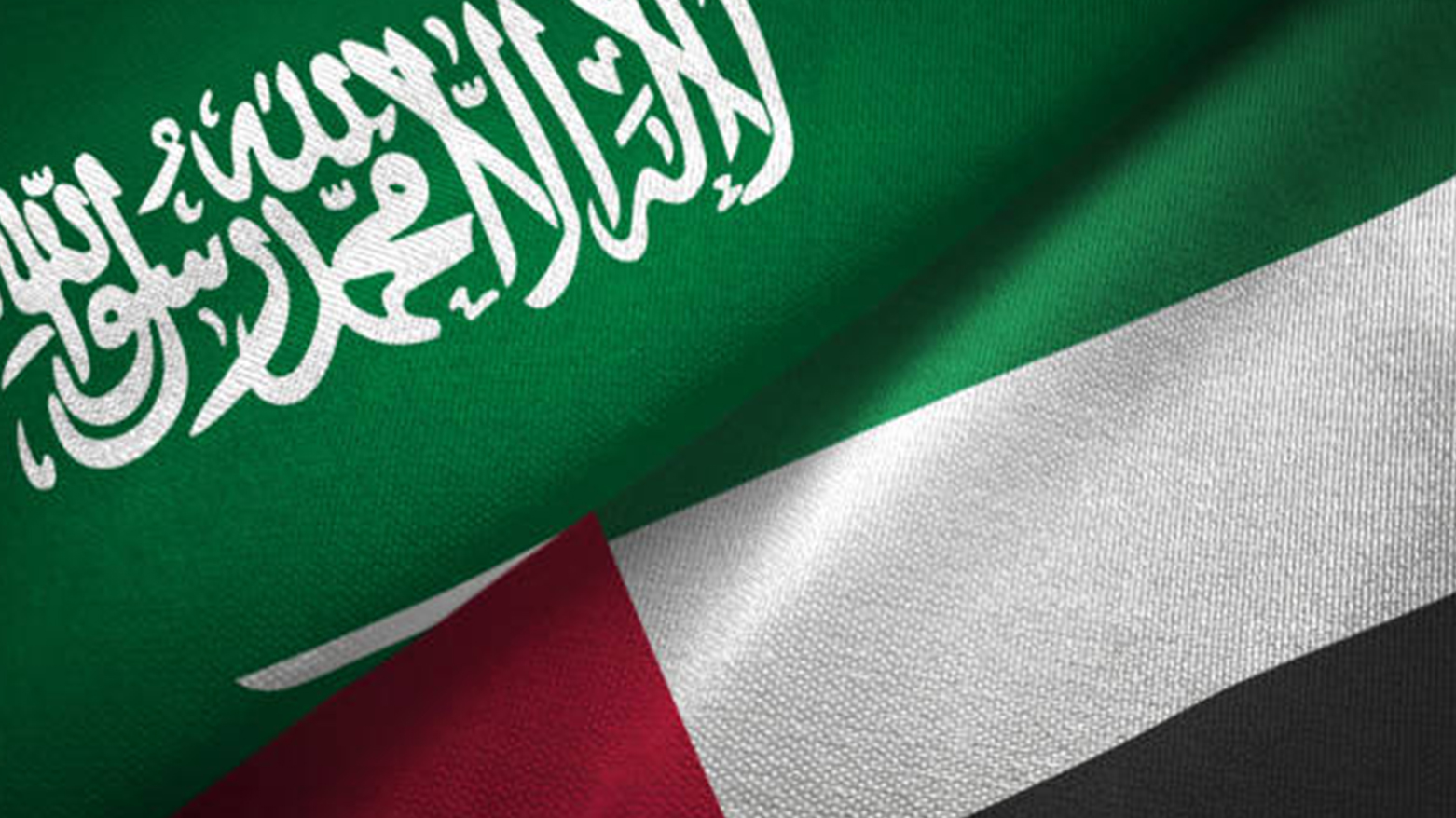
ERBIL (Kurdistan24) — A Saudi media campaign sharply criticizing the United Arab Emirates has intensified what analysts describe as the Gulf’s most serious rift in years, raising concerns about potential economic and political fallout in a region that markets itself as a pillar of stability.
The dispute has played out publicly in recent weeks across Saudi state-run outlets and social media, following brief clashes in Yemen where Saudi air strikes halted an advance by separatist forces backed by the UAE.
Commentators in the kingdom have accused Abu Dhabi of fueling instability across the region and undermining shared strategic interests.
In a report broadcast this week, Saudi state television channel Al-Ekhbariya accused the UAE of “investing in chaos and supporting secessionists” in conflicts stretching from Libya to Yemen and the Horn of Africa.
The rhetoric marks a rare public escalation between the two Gulf allies and recalls the tone of the 2017–2021 blockade imposed by Saudi Arabia and the UAE on Qatar over political differences.
“Under normal circumstances, the Gulf monarchies are at pains to project an image of peace and stability, but now longstanding points of friction are out in the open in an unprecedented way,” said Anna Jacobs, a Gulf security analyst. She noted that the online exchanges echo the early stages of previous regional rifts.
Despite the criticism, Abu Dhabi has largely refrained from responding publicly. Emirati political scientist Abdulkhaleq Abdulla said the UAE was “not in the habit of provoking our big brother,” signaling a preference for restraint even as the campaign continues.
Saudi Arabia and the UAE have long been close partners with deeply intertwined economies. UAE President Sheikh Mohamed bin Zayed Al Nahyan was widely seen as a mentor to Saudi Crown Prince Mohammed bin Salman, the kingdom’s de facto ruler.
However, Saudi commentators now argue that Abu Dhabi has grown more assertive, backing rival forces in regional conflicts and pursuing policies that diverge from Riyadh’s priorities.
“There is a deep Saudi feeling that the United Arab Emirates has betrayed the strategic partnership with Saudi Arabia and is now stirring up crises within the Saudi strategic sphere of influence,” said Saudi political analyst Soliman Al-Okaily.
The criticism has extended to the UAE’s foreign alignments. Speaking on Al-Ekhbariya, writer and researcher Muneef Amash Al-Harbi described the UAE’s policies as “an Israeli project wearing a kandura,” referencing the Gulf robe and the UAE’s normalization of ties with Israel in 2020.
This week, Saudi-backed Yemeni officials invited international media to inspect what they described as “secret prisons” run by UAE-supported separatists in Yemen. The UAE denied the allegations, saying the sites were military facilities, and has largely avoided engaging with the broader accusations.
“We have become, by our own success, a role model… a regional power. Is this our fault?” Abdulla said, adding that Abu Dhabi does not seek confrontation with Riyadh.
While a full rupture remains unlikely, analysts warn that relations are fragile. An Al-Ekhbariya bulletin this week cautioned that Saudi Arabia “will not hesitate to take the necessary steps and measures” if tensions persist. Al-Okaily said those measures could include “painful economic” actions, though he stopped short of predicting a break in ties.
At the same time, both countries are pursuing new diplomatic alignments. The UAE’s president met Indian Prime Minister Narendra Modi in New Delhi this week, agreeing to work toward a strategic defense partnership. Shortly before, Saudi Arabia signed a defense agreement with Pakistan, India’s nuclear-armed rival.
Regional conflicts continue to strain relations. In Sudan, Saudi Arabia, and the United States have advanced a new ceasefire proposal that excludes the UAE, which has been accused of backing a paramilitary force fighting the Sudanese army—an allegation Abu Dhabi denies.
In the Horn of Africa, Somalia recently canceled agreements with the UAE over its support for the breakaway region of Somaliland, which Israel recognized last month, while Saudi Arabia has reportedly moved to strengthen ties with Mogadishu.
Riyadh has also deepened cooperation with Qatar, a former target of the Saudi-UAE blockade, including approval of a high-speed rail link—another signal of shifting regional dynamics.
Despite the harsh rhetoric, analysts caution against assuming an imminent split. “There’s still a bit of a way to go before a full-blown rupture,” said Adam Baron of the New America think tank. “This simultaneously signals a messaging of potential restraint and capacity for escalation.”
For now, the public exchange has laid bare strategic competition between two of the Gulf’s most influential states, underscoring how regional rivalries are increasingly playing out in the open.