Mark Savaya Says Roadmap Underway to Confront Corruption Crisis in Iraq
Mark Savaya said a roadmap is being implemented to confront corruption in Iraq, track stolen funds, identify beneficiaries, and enforce accountability in coordination with US institutions, as Washington highlights Iraq’s stabilizing regional role.
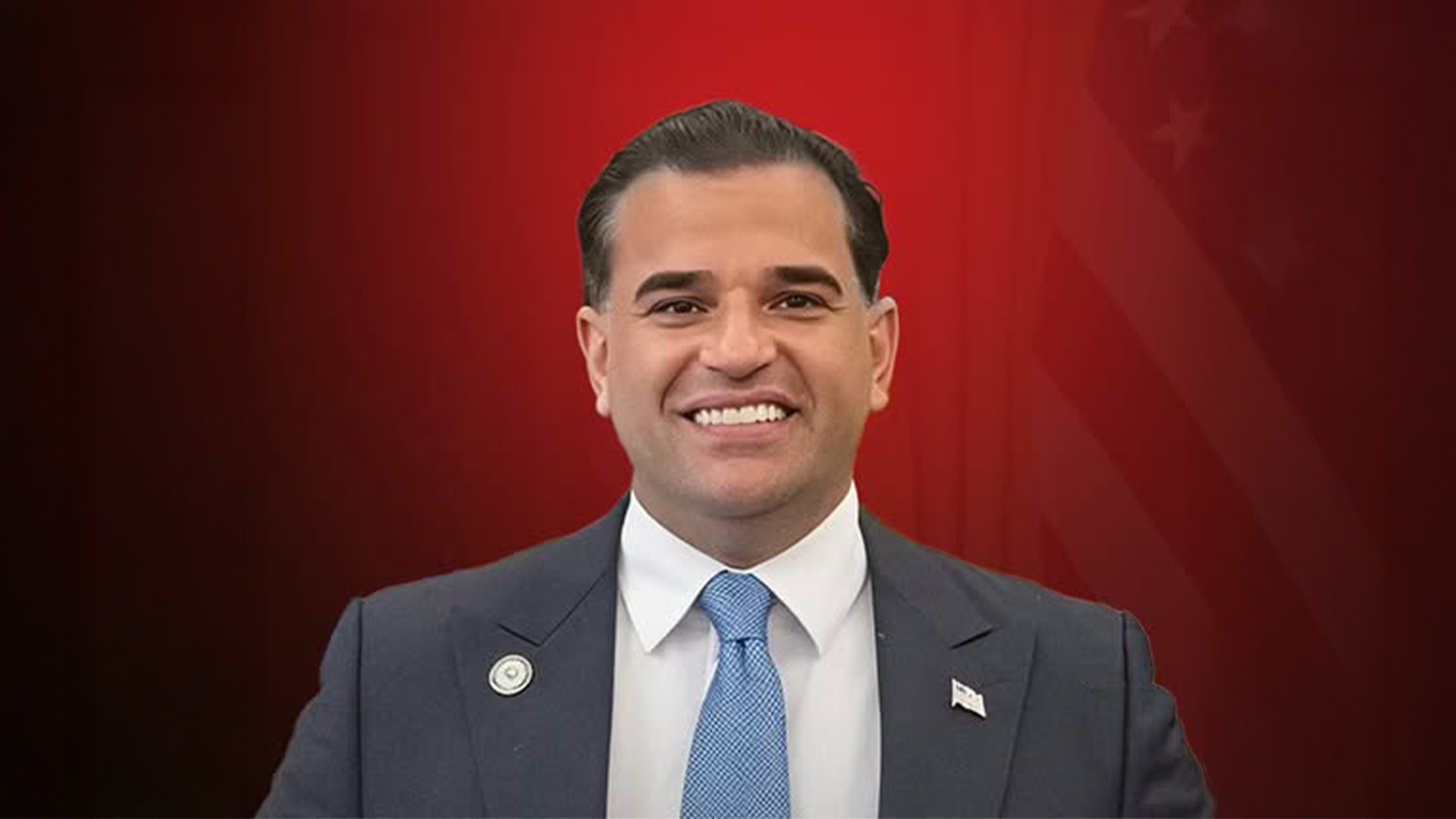
ERBIL (Kurdistan24) - As political negotiations advance and security challenges persist, a parallel and more sensitive battle is taking shape in Iraq: a comprehensive effort to confront corruption, trace stolen wealth, and restore accountability at the highest levels of the state.
Mark Savaya, United States Special Envoy to the Republic of Iraq, said that while teams are working on the ground in Iraq to support the formation of a new government and prevent Iranian-backed militias from rising to positions of power, an equally critical priority lies ahead: confronting the country’s deep-rooted corruption crisis and clarifying the fate of stolen Iraqi funds.
“While our team works on the ground in Iraq to support the formation of a new government and to prevent Iranian backed militias from rising to positions of power, it is equally and even more critical to prepare for confronting the corruption crisis in Iraq,” Savaya said.
He stressed that the effort must extend beyond tracking money looted and transferred outside the country, emphasizing the need to determine where those funds ended up and how they were ultimately used.
Savaya explained that through coordination with other institutions, authorities now possess a comprehensive understanding of the individuals involved in corruption cases, including senior government officials and members of their families who benefited from stolen Iraqi funds.
“These funds were not only used to purchase multiple properties across several countries, but were also used to obtain foreign citizenships and passports, sometimes under the same names and in other cases under different identities, in order to evade future tracking and accountability,” he said.
According to Savaya, the majority of these cases are concentrated within the region, while others extend beyond it through citizenship-by-investment programs offered by certain countries.
He noted that this information significantly enhances the ability to pursue accountability, recover stolen assets, and cooperate with international partners to confront corruption at its source.
Savaya warned that corruption does not only harm the Iraqi people or undermine national security, but also empowers terrorist groups and fuels terrorist activities across multiple countries.
“We will work very closely with the United States Treasury and OFAC to ensure that accountability is enforced on all wrongdoing parties without exception, that no one is above the law, and that justice is delivered to the Iraqi people,” he said.
The remarks come as the United States has praised Iraq’s growing role in promoting stability in Syria and across the wider region. In a response to Kurdistan24, the US Department of State described Iraq's contributions as “indispensable” to collective security efforts and reflective of a “profound commitment to collective security.”
Amid intensified US-Iraq coordination, US Secretary of State Marco Rubio held a phone call with Iraqi Prime Minister Mohammed Shia Sudani, during which he commended Iraq’s leadership in managing the relocation of ISIS detainees from Syria to secure facilities inside Iraq. Rubio described the operation as critical amid instability in Western Kurdistan and stressed that Iraq’s stabilizing role depends on maintaining political independence.
As Iraq’s regional responsibilities expand, the push to confront corruption and recover stolen assets is being framed as a decisive test of sovereignty, justice, and long-term national security.