IAEA Chief Signals Readiness to Resume Inspections at Iran’s Nuclear Facilities
IAEA Director General Rafael Grossi announced the agency is ready to deploy inspectors to Iran's key nuclear sites. He linked full access to a diplomatic breakthrough, urging an end to the current stalemate.
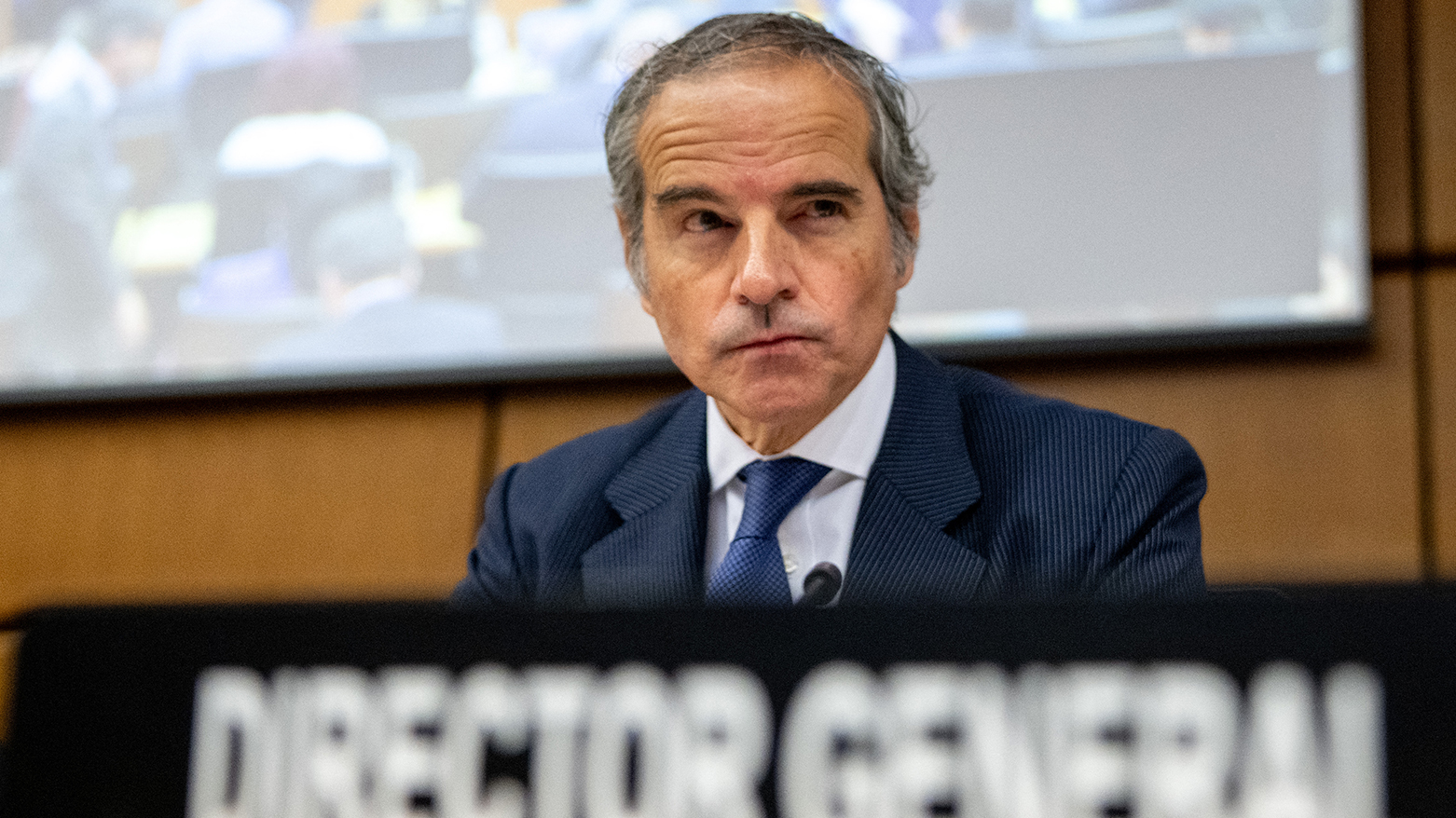
ERBIL (Kurdistan24) - As indirect negotiations between Iran and the United States formally concluded in Muscat, the head of the International Atomic Energy Agency announced that inspectors stand ready to return to Iran’s nuclear facilities, linking renewed technical access to a broader diplomatic effort to break a prolonged stalemate.
On Friday, Rafael Grossi, Director General of the International Atomic Energy Agency, announced that the agency remains fully prepared to send inspectors to Iran to examine its nuclear facilities.
In an interview with Russia 24, Grossi said: “Of course, our inspectors are always ready to go there. As I have said before, they are currently carrying out inspections at several smaller sites, but they are ready at any time to deal with more important locations.”
He said the agency’s position is based on returning all sides to the negotiating table and reaching an agreement that would allow the full return of IAEA inspectors to Iran.
“We need to get out of the deadlock that we have fallen into after the twelve-day war last June, when everyone knows that something exists, but no one can do anything about it,” Grossi said.
His remarks came the same day Iranian state television reported that indirect negotiations between Iran and the United States on the nuclear and missile files, mediated by Oman in Muscat, had concluded, with the possibility that the negotiating delegations may return to their respective countries.
At the same time, some US media outlets reported that Iran may suspend its nuclear program for a long period in exchange for the United States lifting sanctions on Tehran.
Omani media, citing officials, said the talks focused on the framework and conditions of the negotiations, and that another round is expected to take place in the coming days in a more intensive format.
According to Iran’s Tasnim News Agency, at 09:45 a.m., Abbas Araghchi, Iran’s Foreign Minister, met with Omani Foreign Minister Badr Hamad al-Busaidi.
At 11:45 a.m., a meeting began between Steve Witkoff, Trump’s envoy and head of the US negotiating delegation, and the Omani foreign minister. At 12:00 p.m., the first round of the day’s talks ended.
Tasnim reported that from 13:16 until 14:21, talks resumed between Araghchi and al-Busaidi, and that at 16:50, the Iranian negotiating delegation returned to their place of accommodation in Muscat.
Some US media outlets have reported that Iran may suspend its nuclear program for a long period, while the United States would lift sanctions on Tehran.
Omani media, citing officials, said the negotiations focused on the framework and conditions of the talks, and that another round is expected to take place in the coming days in a more intensive format.
According to Tasnim, Abbas Araghchi met with Badr Hamad al-Busaidi at 09:45 a.m. The meeting between Steve Witkoff and the Omani foreign minister began at 11:45 a.m., followed by the conclusion of the first round at 12:00 p.m. Talks resumed between Araghchi and al-Busaidi from 13:16 to 14:21, and the Iranian delegation returned to their accommodation at 16:50.
With diplomacy paused and inspectors standing by, the next steps now rest with Tehran and Washington as they assess whether the Muscat channel can soon reopen.