Kurdish Council Says President Barzani's Mediation Prevented Ethnic War, Fostered Dialogue with Damascus
KNCS says Masoud Barzani’s mediation prevented ethnic war, turned Erbil into a peace hub, and advanced dialogue with Damascus, which acknowledged past injustices and pledged reform.
ERBIL (Kurdistan24) - As western Kurdistan stood on the edge of a national catastrophe, a quiet channel of diplomacy was taking shape in Erbil. From intense mediation to cross-border dialogue, Kurdish leaders worked to halt a spiral toward ethnic war, turning the Kurdistan Region’s capital into a platform for negotiations and de-escalation.
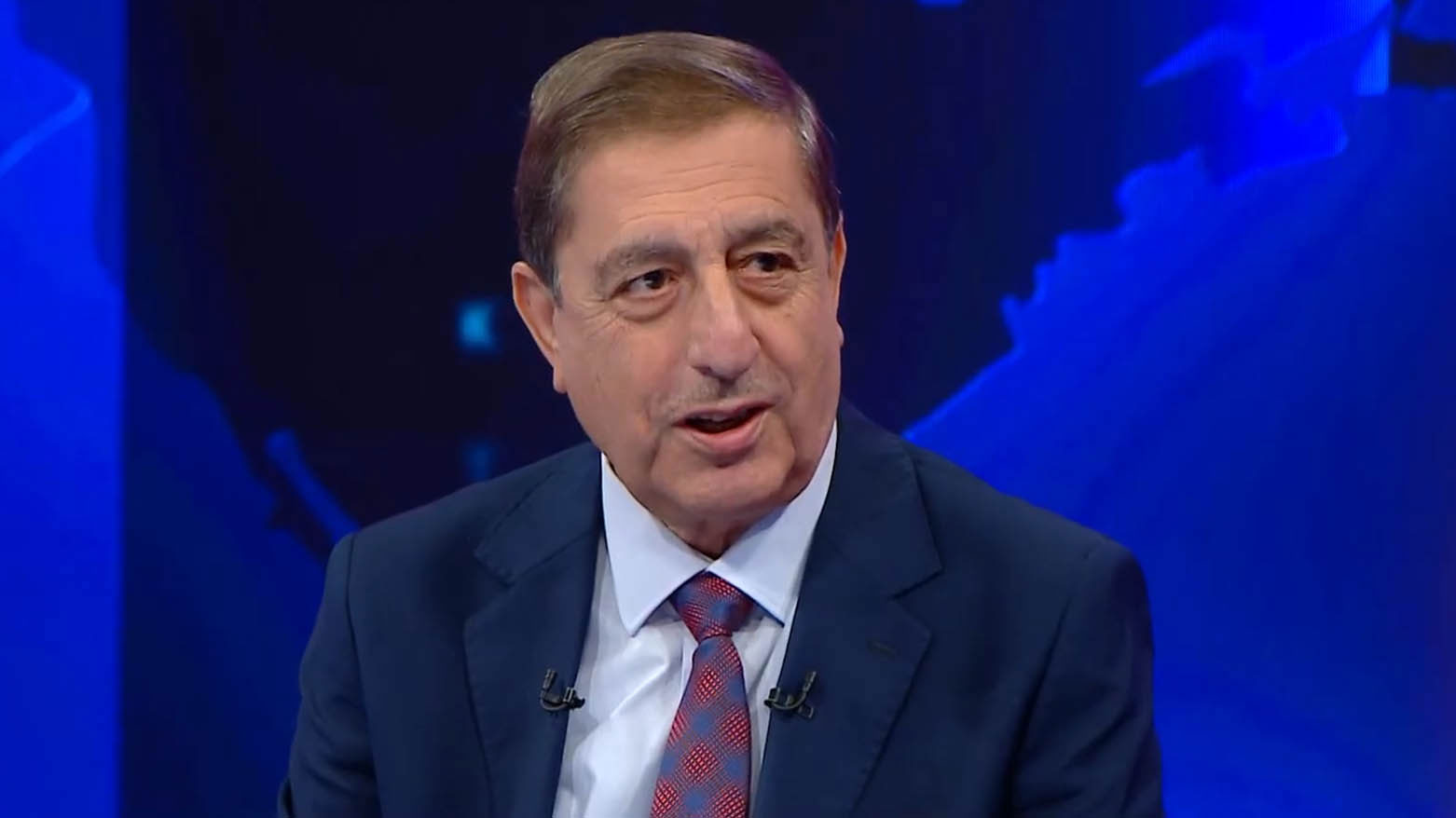
On Friday, Faisal Yusuf, spokesperson for the Kurdish National Council in Syria (KNCS), spoke during an interview in Kurdistan24, highlighting the role of President Masoud Barzani in what he described as a decisive effort to prevent ethnic conflict in the region.
Yusuf said Barzani devoted himself day and night to addressing the crisis in western Kurdistan (Northern Syria), working at both domestic and international levels. He stated that President Barzani’s strong relations with the United States, France, and Arab countries helped block the outbreak of an ethnic war and transformed Erbil into a base for peace negotiations.
Reflecting on the impact of these efforts on the public, Yusuf said people followed Barzani’s actions with great hope and repeatedly asked about their outcome. He said the initiatives ultimately proved successful and prevented despair from taking hold.
In another part of his remarks, Yusuf addressed concerns raised by some chauvinist voices over the raising of the Kurdistan flag in western Kurdistan. He said the flag is a symbol of existence and national unity for Kurds on their own land, representing freedom and rights, and emphasized that all Kurds are owners of the flag and struggle under its shadow.
Turning to relations with the Syrian government, Yusuf revealed details of meetings with officials in Damascus. He said KNCS told Syrian authorities clearly that the Kurdish issue is not a problem of fifteen years, but a historical matter deeply tied to Syria’s own history.
Yusuf said Damascus officials responded positively, acknowledging the oppression and injustices committed against Kurds under the previous regime and pledging that such practices would not be repeated. He added that they stressed the effective role of the Kurdish component and expressed readiness to resolve all issues through dialogue.
In closing, the KNCS spokesperson said no one can eliminate the Kurdish people, and that implementing the agreement between SDF and Damascus would create an opportunity for dialogue and for building a democratic, multi-component Syria.
According to a statement, the Kurdish National Council in Syria met Syrian President Ahmad al-Sharaa on Feb. 3, 2026, following earlier talks on Feb. 2 with Syrian Foreign Minister Asaad al-Shaibani. The discussions focused on national issues, the Kurdish question, dialogue to resolve disputes, and building a new Syria.
The council said it called for a democratic state that guarantees Kurdish national rights within a unified Syria. It welcomed Decree No. 13 as a positive step while urging its completion and constitutional recognition of Kurdish rights. The statement said al-Sharaa emphasized addressing past injustices against Kurds, the importance of Kurdish participation in rebuilding Syria, and replacing hostility with dialogue to build mutual trust.
From Erbil to Damascus, the KNCS says a path built on mediation and dialogue is now shaping an opening for a democratic and inclusive Syria.