U.S. Sanctions Iranian "Shadow Fleet" Oil Network Amid Renewed Diplomatic Engagement
The US sanctioned fourteen vessels, two individuals, and fifteen entities tied to a “shadow fleet” moving Iranian oil, even as talks in Oman resume amid decades of uneven U.S.–Iran diplomacy.
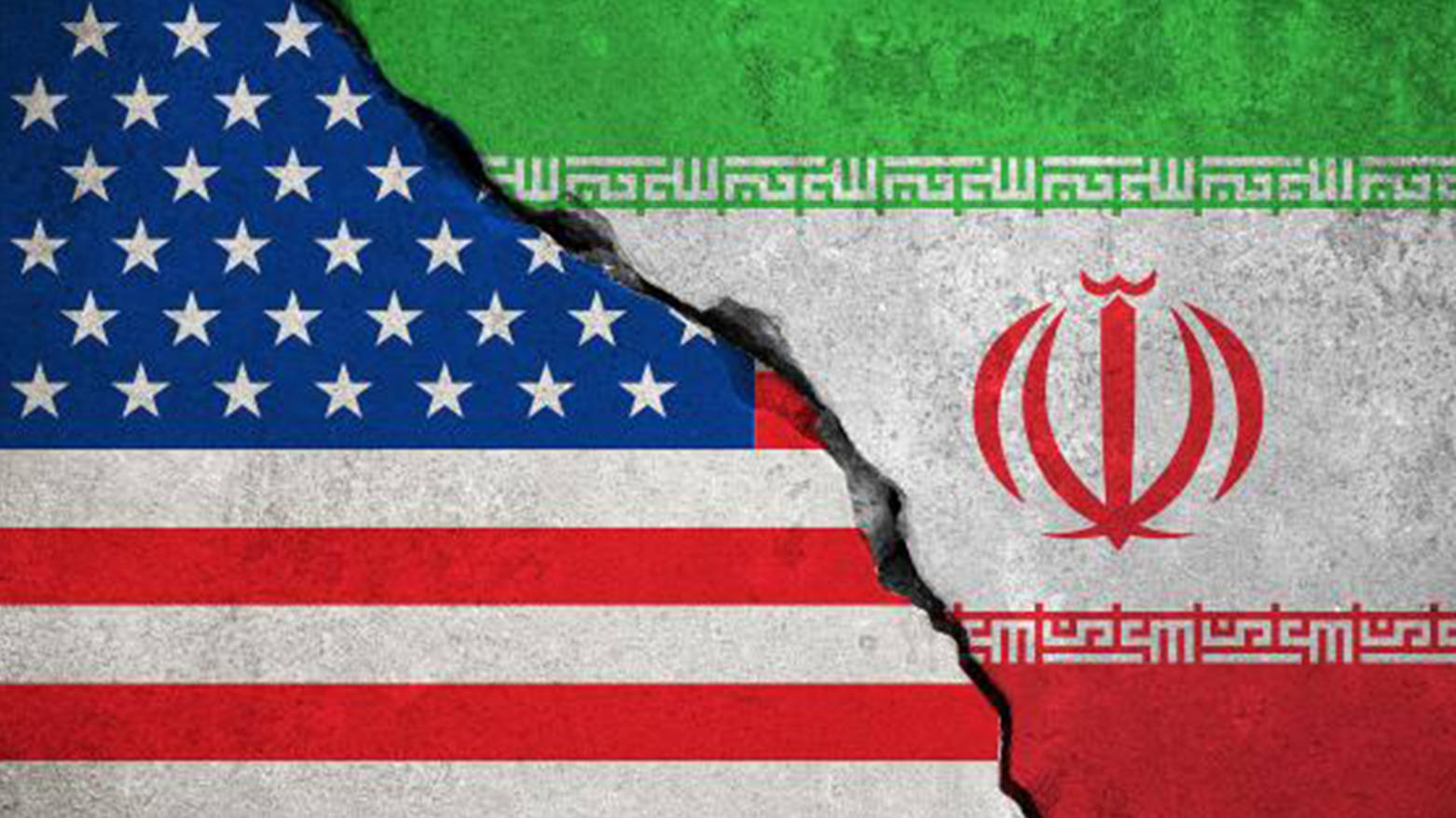
ERBIL (Kurdistan24) - Against the backdrop of renewed diplomatic signals and decades of fragile engagement, the United States moved to tighten economic pressure on Iran, unveiling a fresh package of sanctions aimed at what it describes as a clandestine oil-shipping network sustaining Tehran’s economy.
The United States has imposed sanctions on fourteen nautical vessels accused of forming part of a so-called “shadow fleet” used to circumvent restrictions on the transport of Iranian oil and petroleum products.
In addition, the US Department of State announced sanctions against two individuals and fifteen entities, including ship management companies based in China, Liberia, and Turkiye, for “traded in Iranian-origin crude oil, petroleum products or petrochemical products.”
In a statement issued on Friday, the State Department said the new measures were designed to support antigovernment protests in Iran.
“Time and time again, the Iranian government has prioritized its destabilizing behavior over the safety and security of its own citizens, as demonstrated by the regime’s mass murder of peaceful protestors,” the statement said.
The department added that it would continue to impose economic penalties on any individual or group that helps sustain Iran’s economy.
Its aim, the statement said, is to “stem the flow of revenue that the regime in Tehran uses to support terrorism abroad and repress its citizens.”
“The United States will continue to act against the network of shippers and traders involved in the transport and acquisition of Iranian crude oil, petroleum products, and petrochemical products, which constitutes the regime’s primary source of income,” it added.
The latest measures come as the United States and Iran hold talks in Oman aimed at easing escalating tensions between the two countries. Washington has maintained sanctions on Iran and its oil sector for years, with the new designations representing an expansion of those efforts.
On Feb. 3, 2026, Iran’s President Masoud Pezeshkian announced that Tehran is prepared to negotiate with the United States and named his foreign minister to manage preparations for talks, continuing a history of intermittent diplomatic engagement between the two countries since 1981.
The first direct negotiations followed the seizure of the Embassy of the United States in Tehran on Nov. 4, 1979, when ninety-eight people were taken hostage, fifty-two of whom were held until Jan. 20, 1981. Talks in Algeria culminated in their release after 444 days.
In the mid-1980s, the two sides engaged in secret talks linked to the sale of weapons to Iran during its war with Iraq, later known as the Iran-Contra Affair, which ultimately failed.
After the Sept. 11, 2001, attacks, further direct but secret talks were held in Germany and Washington in 2001 and 2003, focusing on Iran’s role in Afghanistan and Iraq.
From 2012, negotiations in Oman and Vienna between Iran and the P5+1 culminated in a 2015 nuclear agreement placing restrictions on Iran’s nuclear program in exchange for sanctions relief.
In 2018, the Trump administration withdrew from the accord, prompting renewed efforts under President Joe Biden. From 2021 to 2023, three rounds of indirect talks were held in Vienna and Doha but failed to yield results.
The most recent rounds took place in April and May of the previous year in Oman and Italy, again without agreement, amid hostilities linked to a reported Israeli attack on Iranian territory and a subsequent twelve-day conflict.
President Pezeshkian’s announcement reflects a renewed willingness to engage, though no agenda or timetable has been specified.
As sanctions intensify and negotiations once again hover on the horizon, Washington and Tehran remain bound by a diplomatic history defined by cycles of pressure, crisis, and cautious re-engagement.