Most Foreign Families Leave Al-Hol Camp After Control Shift, Sources Say
Before the transition, Al-Hol housed about 24,000 people, mostly women and children, including roughly 15,000 Syrians, several thousand Iraqis, and more than 6,000 foreigners representing around 40 nationalities.
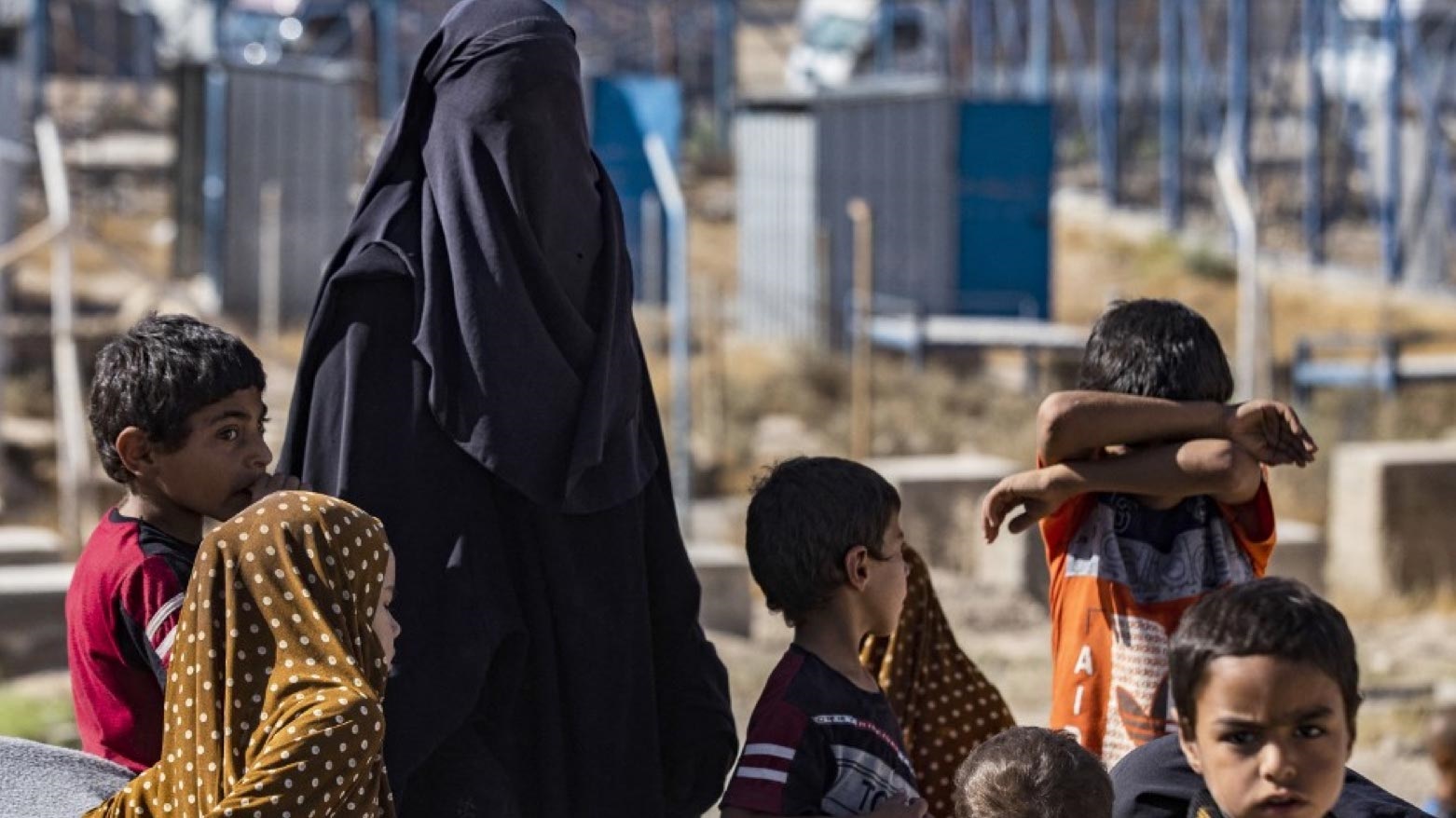
ERBIL (Kurdistan24) — Most foreign families have departed the foreigners’ annex of northeast Syria’s Al-Hol camp, which houses relatives of suspected ISIS fighters, following a recent change in control of the facility, humanitarian sources told AFP on Thursday.
Al-Hol, located in a desert area of Hasakah province, is Syria’s largest camp for relatives of suspected ISIS members. Last month, Syrian government authorities assumed control of the site from the Kurdish administration, which had managed it for years, as Kurdish forces withdrew and Damascus expanded its authority across parts of the northeast.
A humanitarian worker, speaking anonymously due to the sensitivity of the situation, said that since last Saturday, “there are no more than 20 families in the foreigners’ annex.” Another aid source confirmed the section was largely empty, noting that some women had relocated to the camp’s main area.
The Kurdish-led Syrian Democratic Forces (SDF) announced on Jan. 20 that they were forced to withdraw from Al-Hol. Syrian Arab Army units entered the camp the following day.
Previously, women and children from countries including Russia, the Caucasus, and Central Asia had been housed in a high-security section separate from Syrian and Iraqi residents.
An eyewitness reported seeing armed men — some appearing to be foreigners — transporting fully veiled women away from the camp by vehicle after government forces took control. A camp administration source, now under Syria’s foreign ministry, said authorities are conducting a census of residents but did not confirm whether people had left. If departures occurred, the source attributed them to the SDF’s withdrawal.
Before the transition, Al-Hol housed about 24,000 people, mostly women and children, including roughly 15,000 Syrians, several thousand Iraqis, and more than 6,000 foreigners representing around 40 nationalities.
One aid worker suggested that “a large number” of foreigners may have been smuggled out to Idlib and other provinces, while a smaller number moved to other sections inside the camp. Idlib previously served as a stronghold for rebel and jihadist factions, including foreign fighters, before an Islamist-led alliance launched an offensive from there that toppled longtime Syrian ruler Bashar al-Assad in 2024.
A camp resident, identified as Abu Mohammed, 35, told AFP via WhatsApp that after Kurdish authorities withdrew, “the women and children in the foreigners’ section moved to the Syrian and Iraqi section of Al-Hol, and some fled.” He added that within days, foreigners began leaving the camp “in large numbers.”
In Lebanon, a man speaking anonymously said four members of his family who had been held in Al-Hol for years had returned home alongside relatives of other Lebanese fighters, claiming they were able to leave after authorities “turned a blind eye.”
Meanwhile, an Iraqi security source said Baghdad is coordinating with the US-led anti-ISIS coalition to repatriate a final group of 300 to 350 Iraqi families. The US military last month began transferring thousands of suspected ISIS detainees, including foreign nationals, from Syria to Iraq, the source added.