Araghchi Heads to Geneva for Second Round of Indirect Iran–US Nuclear Talks
Tehran Signals Openness to Compromise as Israel Demands Full Dismantlement of Enrichment Program.
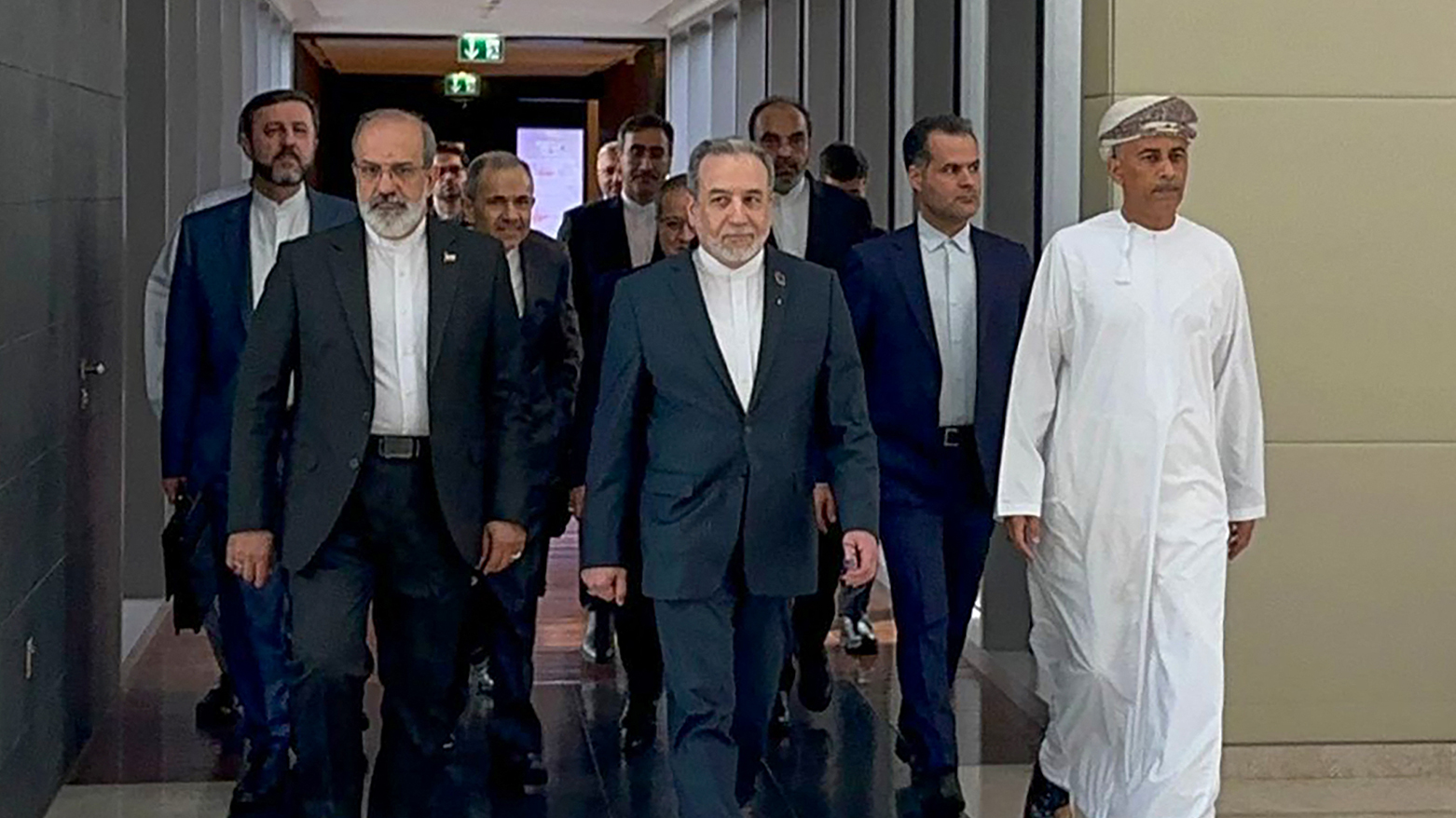
ERBIL (Kurdistan24) — Iran’s Foreign Minister Abbas Araghchi departed Tehran late Sunday for Geneva to lead a diplomatic and technical delegation in the second round of renewed nuclear negotiations with the United States, the foreign ministry announced.
According to a ministry statement, the indirect talks between Tehran and Washington are scheduled to take place on Tuesday in Geneva, with mediation and facilitation provided by Oman. The negotiations follow an initial round held on February 6 in Muscat, marking the resumption of dialogue months after previous efforts collapsed amid heightened regional hostilities.
During his visit to Switzerland, Araghchi is expected to hold consultations with his Swiss and Omani counterparts, as well as with Rafael Grossi, Director General of the International Atomic Energy Agency, alongside other international officials. The meetings underscore the central role of the UN nuclear watchdog in monitoring Iran’s atomic activities.
The renewed diplomatic track comes against a backdrop of significant uncertainty surrounding Iran’s stockpile of more than 400 kilograms of uranium enriched to 60 percent purity. The material was last verified by IAEA inspectors in June, prior to a dramatic escalation that saw Israel launch a 12-day bombing campaign against Iran, effectively derailing earlier negotiations.
Israeli Prime Minister Benjamin Netanyahu reiterated on Sunday that any future agreement must include the complete removal of enriched uranium from Iranian territory and the dismantlement of the infrastructure enabling uranium enrichment.
Speaking in Jerusalem, Netanyahu stressed that there “should be no enrichment capability,” calling for the elimination of equipment and facilities associated with the program.
Tehran, however, signaled conditional flexibility. Deputy Foreign Minister Majid Takht-Ravanchi told the BBC that Iran could consider compromises regarding its uranium stockpile if Washington lifts sanctions that have severely constrained the country’s economy.
“If we see the sincerity on their (American) part, I am sure we will be on a road to have an agreement,” he said.
The talks are unfolding amid heightened tensions. Washington has threatened military action and deployed an aircraft carrier strike group to the region following Iran’s recent crackdown on anti-governmental protests.
The February 6 meeting in Muscat was led on the US side by Middle East envoy Steve Witkoff and included participation from Jared Kushner, son-in-law of US President Donald Trump.
Switzerland has long served as a critical diplomatic intermediary between Iran and the United States. Since Washington severed relations with Tehran following the 1980 hostage crisis, a year after the 1979 Iranian Revolution, Bern has represented US interests in Iran, facilitating communication between the two governments.
In parallel, Iranian Deputy Foreign Minister for Economic Diplomacy Hamid Ghanbari emphasized that Tehran seeks an agreement that delivers tangible economic dividends for both sides. Speaking to Fars News Agency, he highlighted sectors such as aviation, mining, and oil and gas as areas with strong potential for rapid returns.
“For the agreement to be viable, it is essential that the United States also be able to benefit from it in areas with strong and rapid economic return potential,” Ghanbari was quoted as saying.
As the Geneva round approaches, the trajectory of the negotiations will likely hinge on whether the parties can reconcile core demands: Iran’s insistence on sanctions relief and limited enrichment rights, and Israel’s—and segments of Washington’s—calls for the complete dismantlement of Tehran’s nuclear capabilities.