Kurdistan Region Can Become a Regional Hub for Software, Says South Korean Consul
AI Event Highlights Opportunities for Youth, Bilateral Cooperation Between Kurdistan Region and South Korea
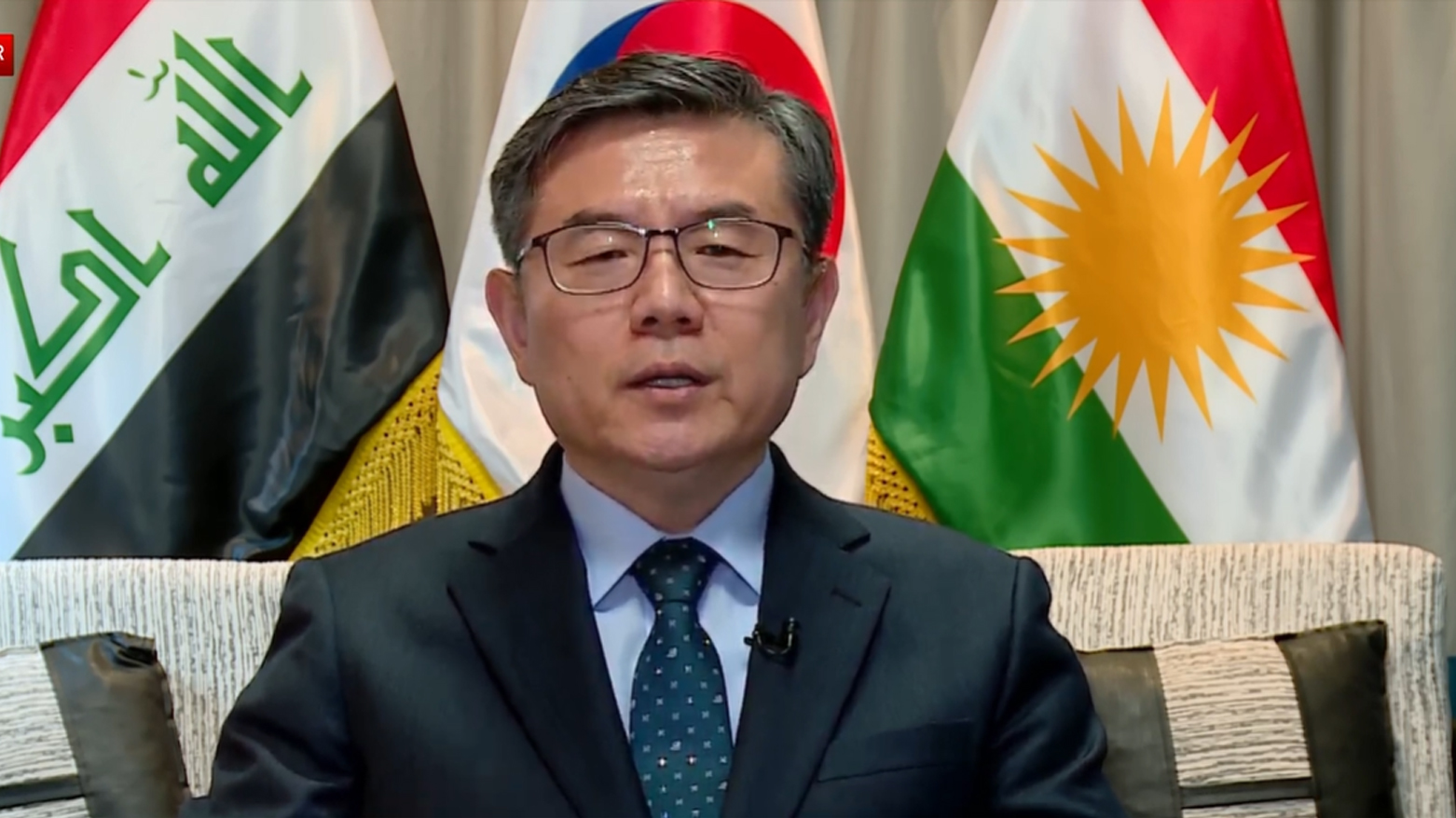
ERBIL (Kurdistan24) — The Kurdistan Region has the potential to become a strong regional center for software development, according to Seungcheol Lim, South Korea’s consul general in Erbil. Speaking to Kurdistan24 on Tuesday, he highlighted a recent artificial intelligence (AI) event in the region as a demonstration of the growing skills and capabilities of Kurdistan’s youth.
Lim described the event as just the beginning of a broader program. He said a three-month initiative would run from June to September 2026, with the Kurdish company “Ovanya” playing a leading role in delivering new AI solutions and mentoring young participants.
Before the official program begins, introductory AI training courses will be offered in March and April in collaboration with local organizations — including Rwanga Foundation, Kurdistan Foundation, Vision Education, and several other startups — and will be open to participants from across the region.
Lim emphasized six main areas of focus within the project, but stressed that the ultimate goal is for the Kurdistan Region to become a powerhouse in software. He also discussed South Korea’s own experience in technology development, revealing plans to train 200,000 AI specialists domestically while supporting the return of 2,000 experts from abroad to contribute to South Korea’s tech sector.
“The goal is for the youth here to work in startups and Korean companies, creating strong coordination between the government, private sector, and young talent,” Lim said.
He further highlighted that Kurdistan requires a strategic plan and research institutions to transform its economy, pointing to South Korea as an example of how a country can establish a strong economic base in a relatively short period.
In addition to the training programs, the consul announced several scholarship opportunities for students, with applications open until February 24, 2026. Interested applicants can submit forms through the consulate’s official channels, via Apple ID, or through the designated websites.
Bilateral ties between the Kurdistan Region and South Korea have been growing steadily over the past decade. South Korea has invested in infrastructure, education, and technology initiatives in the region, emphasizing knowledge transfer and capacity building.
The partnership reflects a shared interest in promoting technology-driven economic growth. Kurdish officials have welcomed South Korean expertise as a model for boosting local innovation, fostering startups, and equipping youth with the skills needed for a knowledge-based economy.
This AI-focused initiative is part of a broader effort to strengthen economic, educational, and technological links between the Kurdistan Region and South Korea, signaling the potential for the region to become a hub for software and digital innovation in the Middle East.
This article was updated by Kurdistan24 on Feb. 18, 2026, at 8:41 am.