Witkoff: Trump’s Diplomacy Yields ‘Meaningful Progress’ as US Moderates Third Round of Ukraine-Russia Talks in Geneva
US Envoy Says Kyiv and Moscow Agreed to Brief Leaders and Continue Negotiations Following Trilateral Meetings Hosted by Switzerland
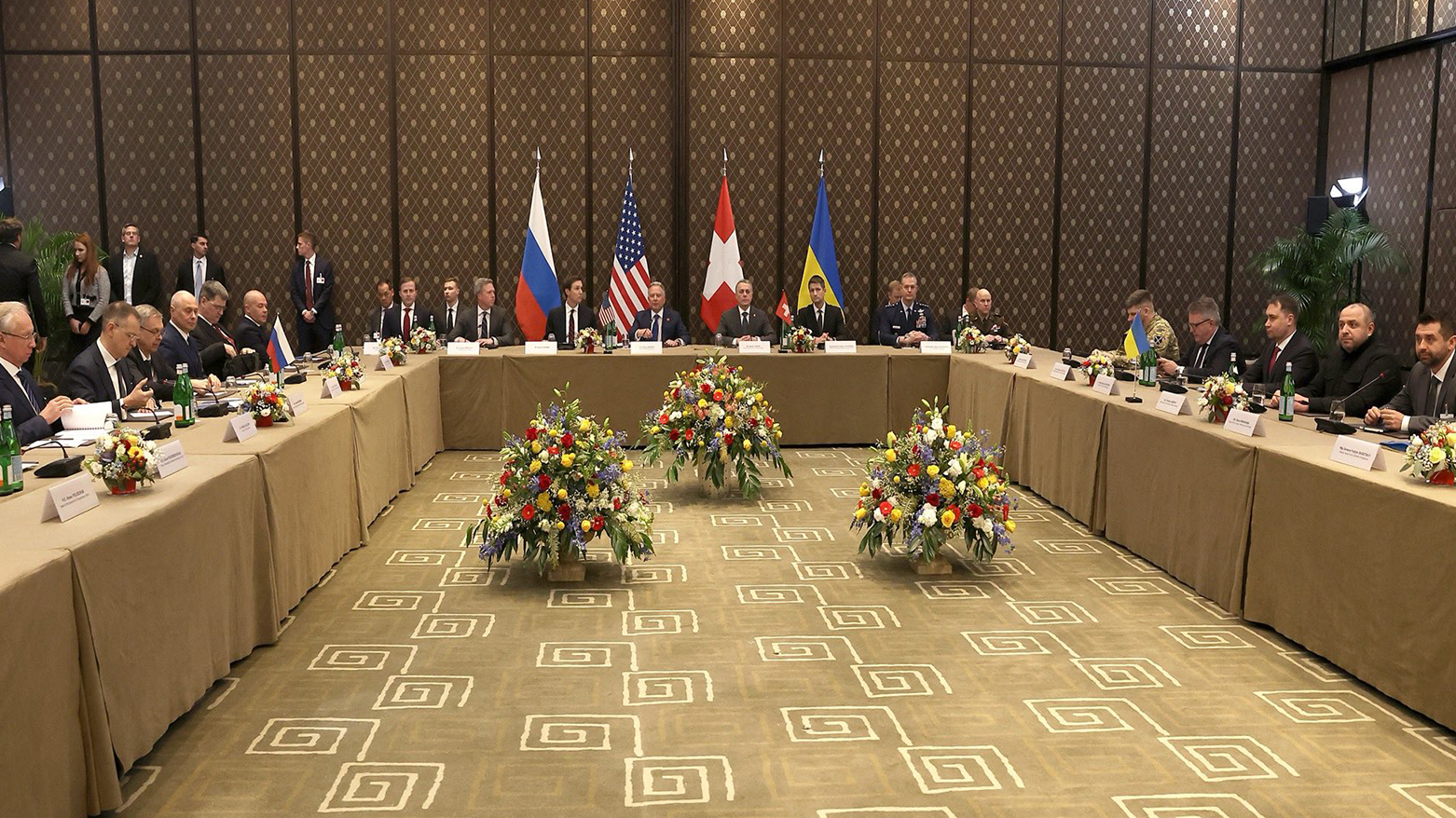
ERBIL (Kurdistan24) — Ukrainian and Russian negotiators met Tuesday in Geneva to resume peace talks, as Washington’s top envoy expressed cautious optimism about efforts to end Europe’s deadliest conflict since World War II.
The negotiations marked the latest diplomatic attempt to halt nearly four years of war following Russia’s full-scale invasion of Ukraine in February 2022. The conflict has killed hundreds of thousands of people, displaced millions, and devastated large swathes of eastern and southern Ukraine.
The United States has been pressing both sides to settle but has struggled to broker a compromise between Moscow and Kyiv, particularly on the contentious issue of territory. Two previous rounds of negotiations in Abu Dhabi failed to produce a breakthrough.
US envoy Steve Witkoff, representing the Trump administration, said diplomatic efforts had yielded tangible progress. In a post on X, Witkoff wrote that President Trump’s success in bringing both sides together had led to “meaningful progress,” adding that both parties agreed to brief their respective leaders and continue working toward a deal.
A source close to the Russian delegation told AFP that the latest talks lasted six hours and were “very tense.”
Ukrainian President Volodymyr Zelensky, in his evening address, said Kyiv was prepared “to move quickly towards a worthy agreement to end the war,” but questioned Moscow’s commitment to genuine peace.
“What do they want?” he asked, accusing Russia of prioritizing missile strikes over “real diplomacy.”
Limited Expectations for Breakthrough
For the Geneva talks, the Kremlin reappointed nationalist figure Vladimir Medinsky as its chief negotiator. Ukraine’s delegation was led by national security secretary Rustem Umerov, who confirmed that discussions would continue on Wednesday.
Umerov thanked Washington for its mediation efforts and said he had updated European partners — including France, Great Britain, Germany, Italy, and Switzerland — following what he described as talks focused on “practical issues and the mechanics of possible solutions.” He said the sides had aligned approaches on the next steps.
Zelensky has repeatedly argued that Ukraine is being asked to make disproportionate concessions compared to Russia. Trump on Monday urged Kyiv to accelerate negotiations, warning that Ukraine had better “come to the table, fast.”
In an interview with Axios on Tuesday, Zelensky described it as “not fair” that Trump continued pressing Ukraine to strike a deal, cautioning that a durable peace would not be achieved if “victory” were effectively handed to Russia. “I hope it is just his tactics and not the decision,” he said.
Despite diplomatic engagement, expectations for a breakthrough remain low. Kremlin spokesman Dmitry Peskov tempered hopes ahead of the talks, telling reporters to anticipate no major developments on the first day.
Escalation on the Battlefield
Even as talks convened, hostilities intensified. Ukraine accused Russia of undermining peace efforts by launching 29 missiles and 396 drones overnight into Tuesday, killing four people and cutting power to tens of thousands in southern regions.
Later Tuesday, Ukraine’s general staff reported that Russia had fired 28 missiles and 109 guided aerial bombs since the start of the day. Ukrainian Foreign Minister Andriy Sybiga said the large-scale attack underscored Moscow’s disregard for diplomatic efforts.
Russia, in turn, accused Ukraine of launching more than 150 drones overnight, primarily targeting southern regions and the Crimean peninsula, which Moscow annexed in 2014.
Russia currently occupies roughly one-fifth of Ukrainian territory, including Crimea and areas seized by Moscow-backed separatists prior to the 2022 invasion. The Kremlin is seeking full control of Ukraine’s eastern Donetsk region as part of any settlement and has warned it will pursue military means if negotiations fail.
Kyiv has rejected those demands, viewing them as politically and militarily untenable. Ukrainian officials have also signaled they will not accept any agreement lacking firm security guarantees designed to prevent future Russian aggression.
While Russian forces have made incremental territorial gains along the extensive front line in recent months, Moscow faces mounting economic strain. Growth has stagnated and the state budget deficit has widened, exacerbated by falling oil revenues hit by sanctions and declining to a five-year low.
As talks resume in Geneva, both sides remain entrenched — militarily on the battlefield and diplomatically at the negotiating table — leaving the prospect of a comprehensive settlement uncertain.