Iraq, Iran FMs Stress Dialogue as New Round of Nuclear Talks Expected
Both sides welcomed the designation of Thursday for another round of talks between Washington and Tehran, underscoring dialogue as the primary means to ease tensions and maintain regional stability.
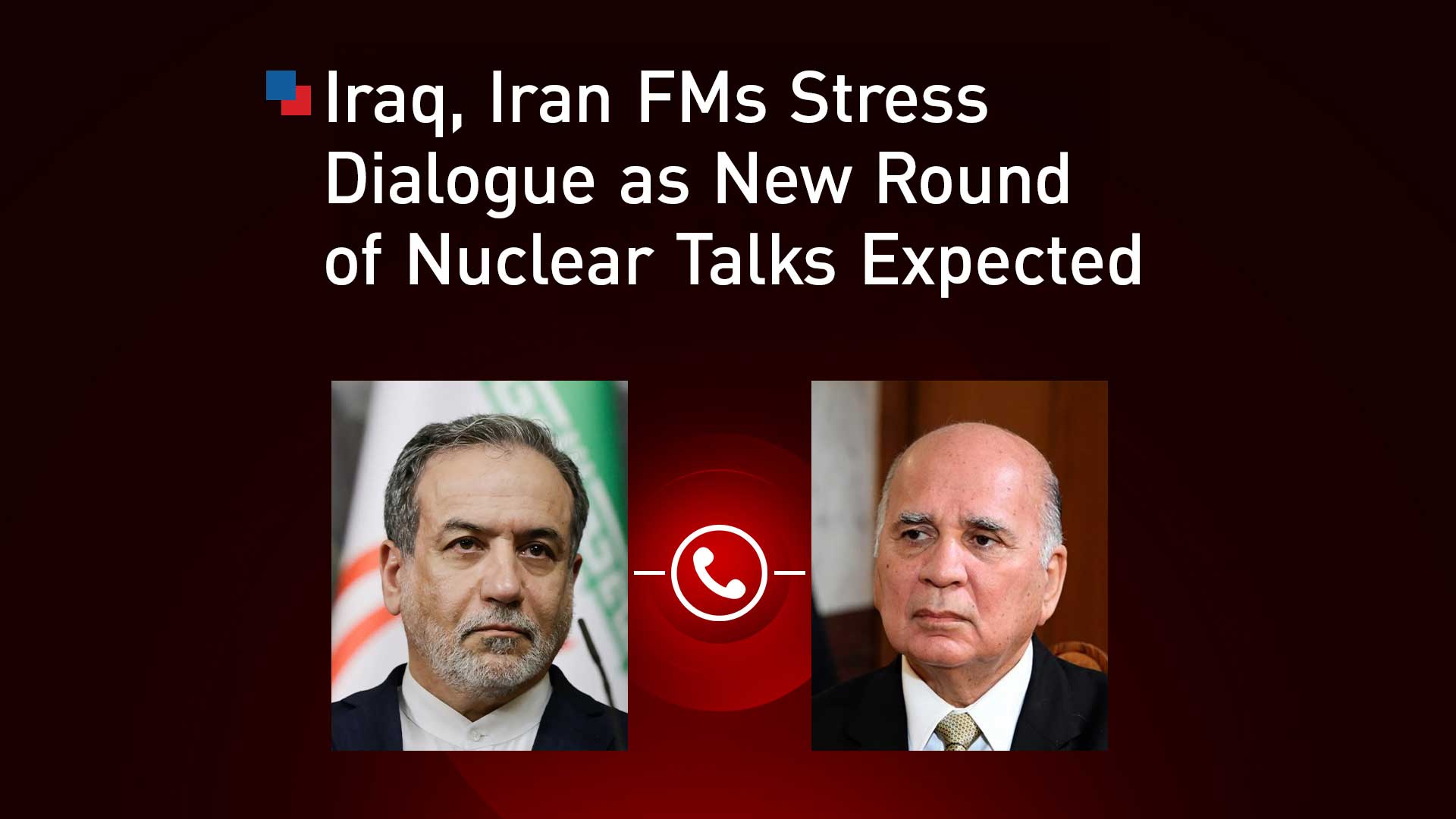
ERBIL (Kurdistan24) – Iraqi Foreign Minister Fuad Hussein and Iranian Foreign Minister Abbas Araghchi discussed regional developments and ongoing diplomatic efforts between the United States and Iran during a telephone call, emphasizing the need to continue negotiations and pursue peaceful solutions to the current tensions.
According to a statement by the Iraqi Foreign Ministry, both sides welcomed the designation of Thursday for another round of talks between Washington and Tehran, underscoring dialogue as the primary means to ease tensions and maintain regional stability. They also reviewed recent military movements in the region and agreed that diplomacy remains the most effective path to prevent escalation.
The ministers further pledged to strengthen bilateral coordination in the coming period and maintain close consultation on sensitive issues of mutual concern, particularly amid what they described as a fragile regional situation.
In remarks broadcast Sunday on CBS, Araghchi said he believes there is still a “good chance” to resolve disputes between Tehran and Washington over Iran’s nuclear program through diplomacy. He indicated negotiators are working on elements of a potential agreement and draft text ahead of a possible new round of talks on Thursday in Geneva.
Araghchi expressed cautious optimism about reaching a “win-win” solution but reiterated that Iran considers uranium enrichment a sovereign right. He also warned that any military action against Iran would be viewed as aggression and could trigger retaliation, including against U.S. bases in the region.
The latest diplomatic push follows a Feb. 17 high-level meeting in Geneva, the second round of indirect talks since renewed efforts began earlier this month to revive stalled negotiations over Iran’s nuclear activities, a longstanding source of tension between Washington and Tehran.