Foreign Ministers of Iraq and Egypt Discuss Regional Tensions, Urge Ceasefire
Iraq’s Foreign Minister Fuad Hussein and Egypt’s Foreign Minister Badr Abdelatty discussed regional tensions in a phone call, stressing the need to intensify diplomatic efforts and work toward a ceasefire to maintain stability.
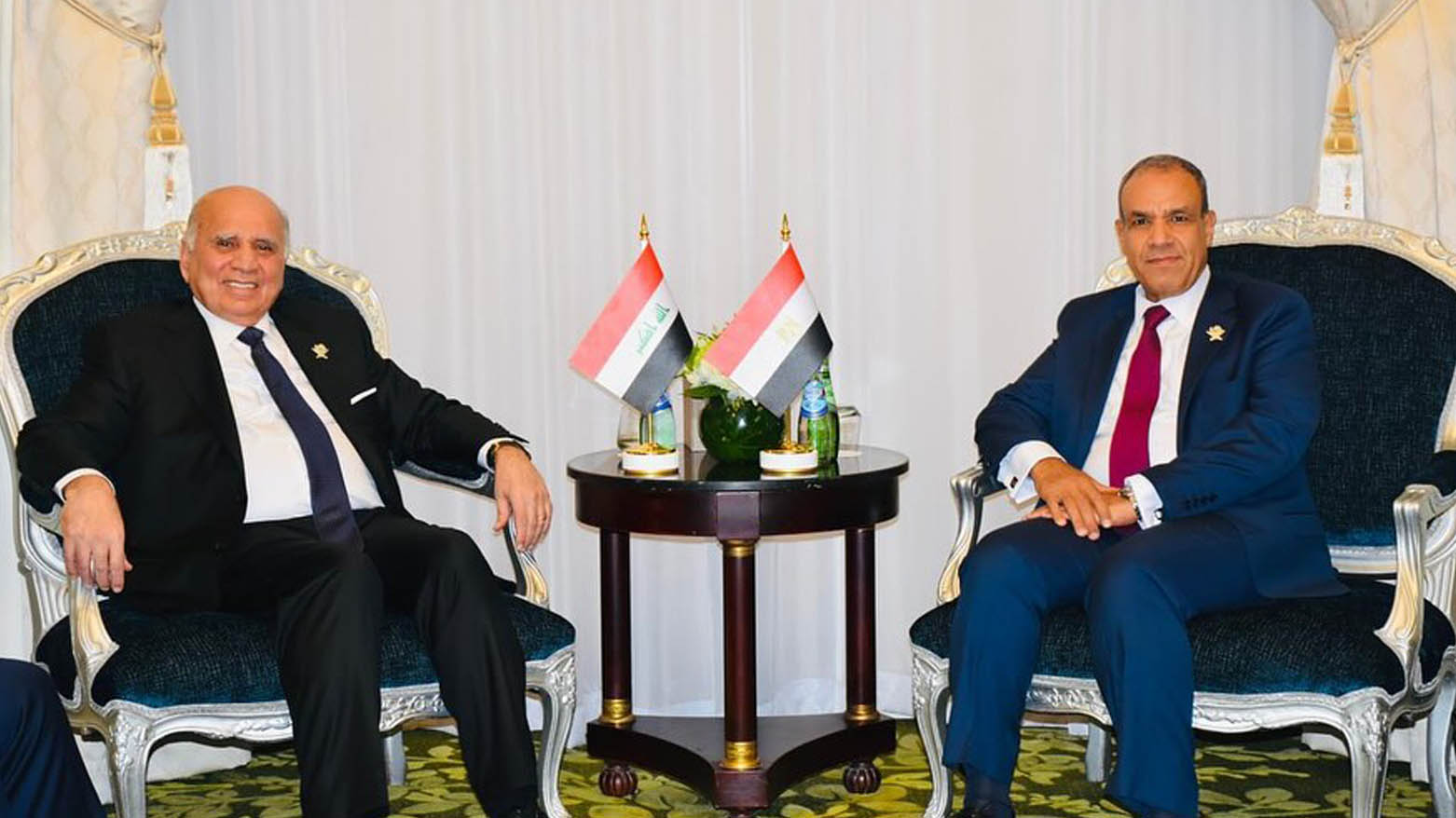
ERBIL (Kurdistan24) - Fuad Hussein, Deputy Prime Minister and Foreign Minister of Iraq, held a phone call with Badr Abdelatty, Foreign Minister of Egypt, during which the two sides discussed the escalating situation in the Middle East and stressed the need to intensify diplomatic efforts to preserve regional stability.
According to a statement issued by the Iraqi Ministry of Foreign Affairs on Saturday the conversation focused on recent security developments and the consequences of the ongoing war for countries across the region.
The two ministers also reviewed issues expected to be discussed during the upcoming meeting of the Arab League foreign ministers, along with discussions on the position of the United States regarding the continuation of the conflict.
During the call, both sides discussed the objectives behind Israel’s strikes against Iran as well as Tehran’s position on halting attacks against neighboring countries.
At the conclusion of the discussion, the two ministers agreed on the importance of intensifying diplomatic efforts and joint action to reach a ceasefire that could help de-escalate the situation and preserve security and stability in the region.
The diplomatic contacts come amid escalating tensions following airstrikes launched by the United States and Israel on Iran on Feb. 28, 2026.
Those attacks reportedly killed several senior Iranian leaders and military commanders.
In response, Iran quickly retaliated by launching a number of missiles toward Israel while also targeting several U.S. military bases and facilities located in countries across the region.
The conversation reflects growing regional diplomatic efforts aimed at containing the crisis and preventing further escalation as the conflict continues to affect multiple Middle Eastern states.