U.S. Citizens Express Mixed Views on Iran War in Interviews With Kurdistan24
U.S. citizens interviewed by Kurdistan24 expressed differing views on the Iran war, reflecting a range of perspectives as the conflict continues to affect regional security and international politics.

ERBIL (Kurdistan24) - Interviews conducted by Kurdistan24 with U.S. citizens reveal a range of views among members of the American public regarding the ongoing war involving Iran, the United States, and Israel, with participants expressing differing perspectives on the conflict, its causes, and its potential outcomes.
Several individuals interviewed by Kurdistan24 described concerns about the decision by the United States to engage in military operations connected to the conflict, while others said they believed security threats justified military action in the region.
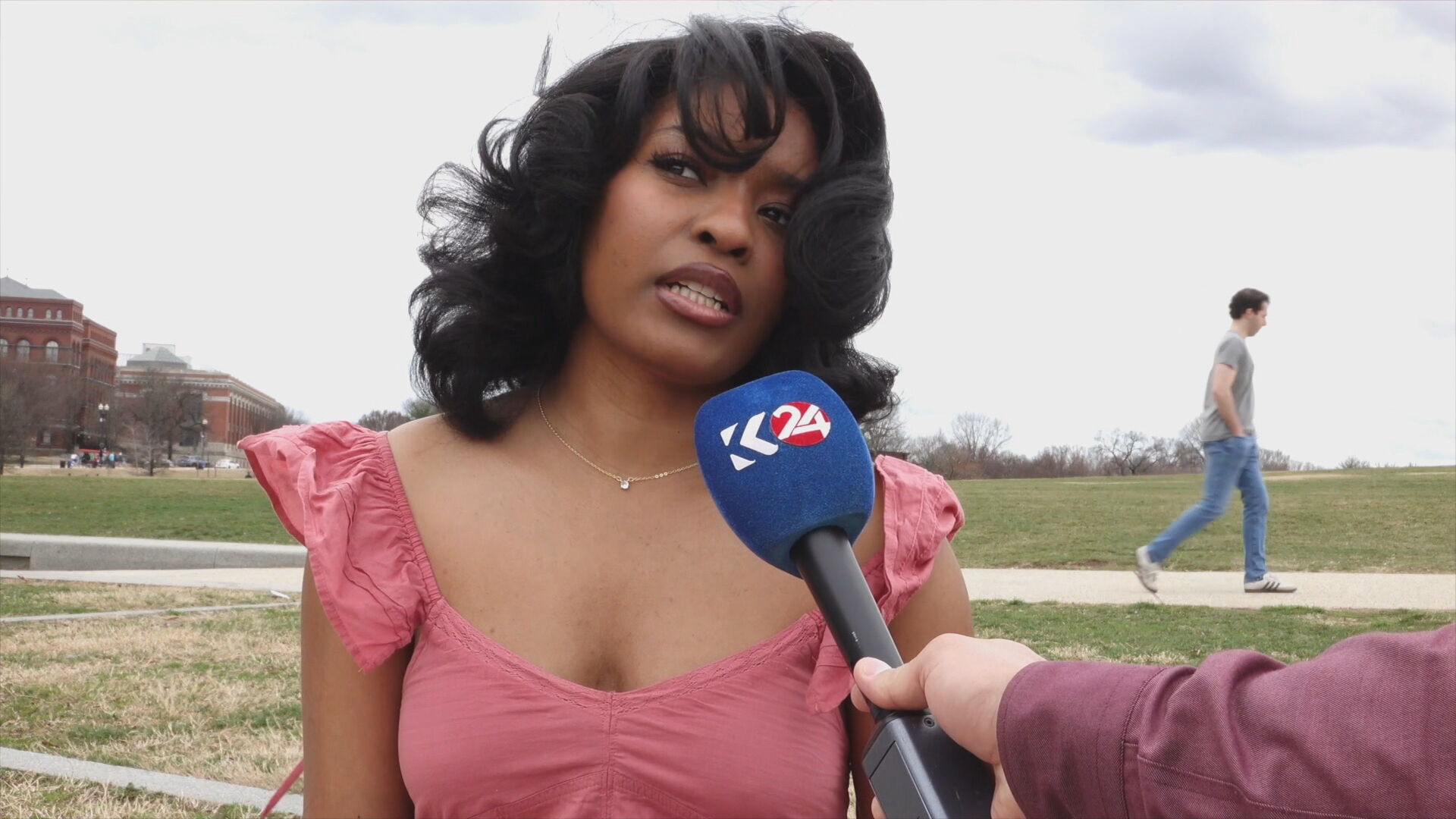
One U.S. citizen interviewed by Kurdistan24 questioned the consistency of political rhetoric surrounding military intervention. “I remember him talking about Obama, saying that, oh, Obama started a war. That's not something he would ever do. And here he is, you know, playing God. And I just think it's very, very unfortunate. I pray for the people in Iran,” the woman said.
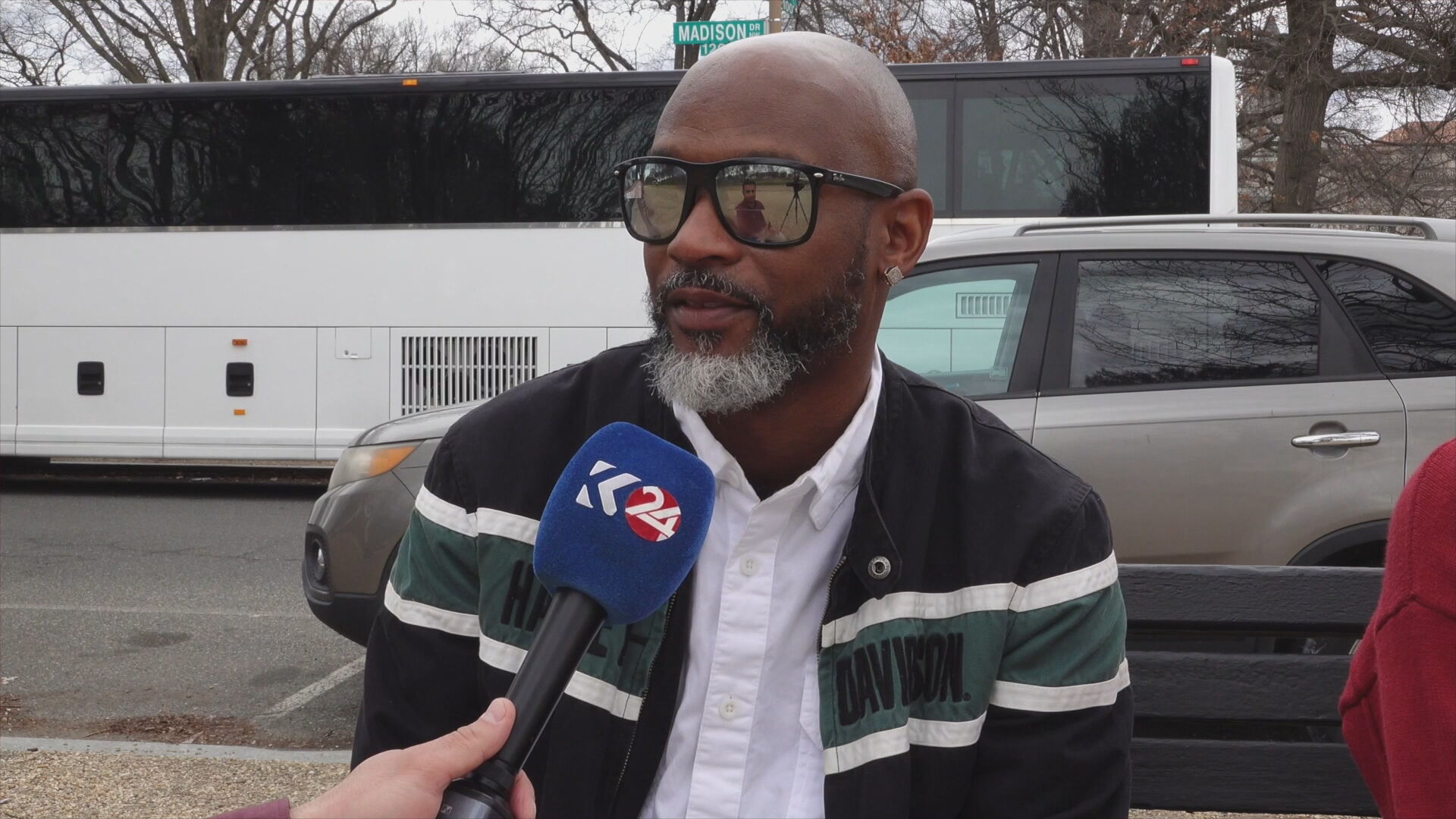
Another interview participant, a male U.S. citizen, said that changes in Iran’s political system, if they occur, would likely come through internal developments rather than external military intervention.
“The only thing that I could tell you is this regime would be overthrown in the hands of Iranian people. It's not going to be overthrown by foreign forces,” he said. “The examples of Afghanistan and Iraq has proven that Iranian people are the only one who has to bring this regime and ask this regime. And that's the only thing that I could say about that.”

The same interviewee added that airstrikes alone would not lead to political change in Iran. “Foreign forces like United States and Israel, even though they're bombing, they don't have boots on the ground. And this regime is not going to be overthrown just by bombing. They need boots on the ground. I don't support any foreign forces to send boots on the ground,” he said.
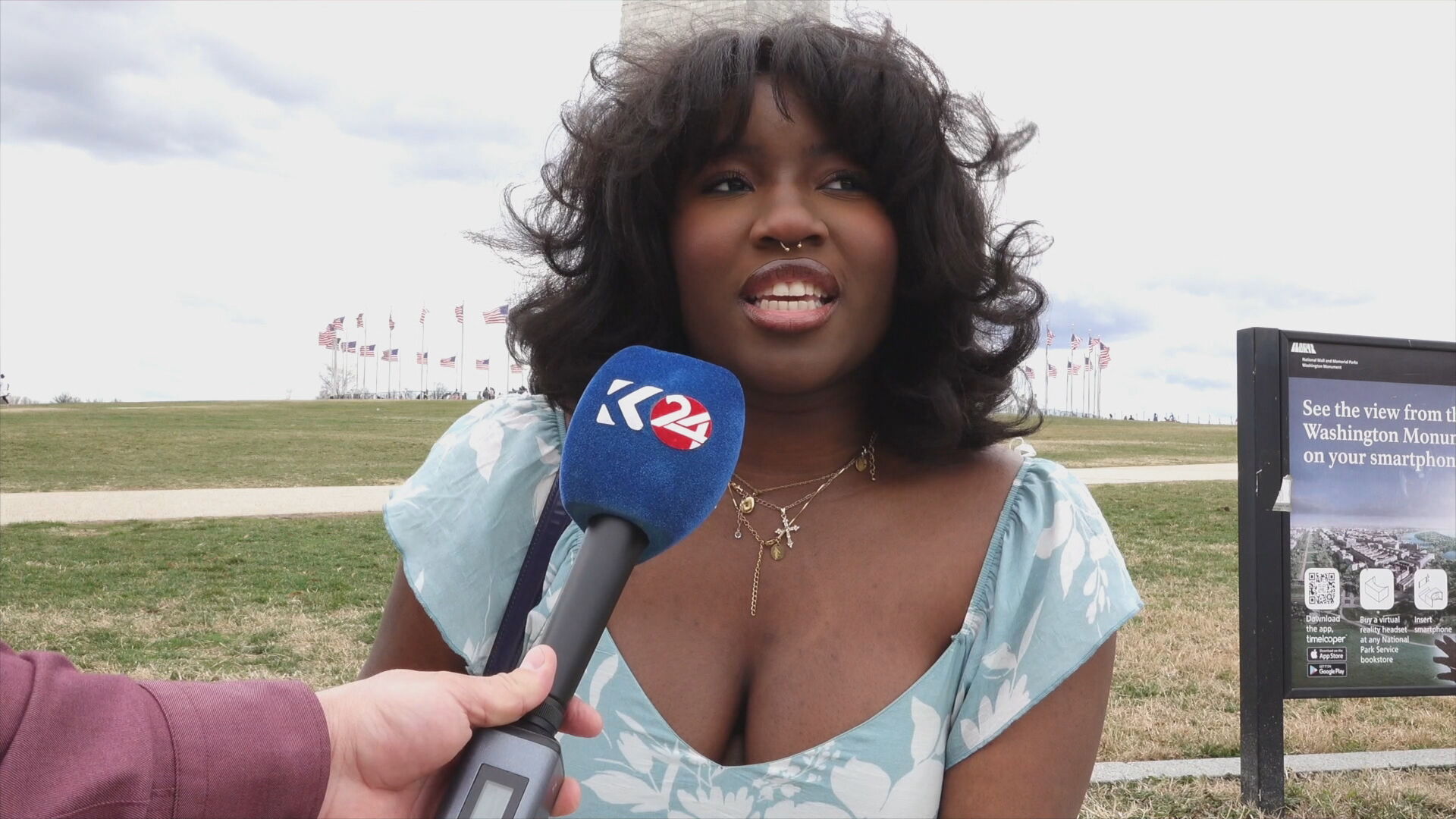
Other interview participants focused on the broader implications of U.S. foreign policy and domestic priorities. One female U.S. citizen interviewed by Kurdistan24 said she opposed the war and questioned the role of the United States in conflicts abroad.
“Like, I don't agree with what Trump is doing. I don't agree with war at all,” she said. “I believe that the America constantly putting themselves in other countries' conflicts is a problem, because we have a lot of conflicts in America that we need to deal with before we start having war with other countries.”
The same interviewee added that she believed domestic political issues should take precedence over international military engagement. “I think that it's a tactic to push our minds away from the Epstein files and what's going on in the country currently, and it's just a way of making people focus on something else,” she said.
Another participant in the Kurdistan24 interviews said he believed security threats posed by Iran justified concerns among Americans and other countries.
“I think there's a real threat over there against not just the United States, over other countries, too,” the man said. “So, you know, if it goes to another country, eventually it's going to come over here, because they're trying to, you know, they don't like the United States or the other countries, you know, their policies and whatever they believe in.”
The interviews were conducted as the war between Iran, the United States, and Israel has expanded across parts of the Middle East, with attacks reported in multiple countries and heightened regional tensions.
According to reporting by the Associated Press, Iranian state television said early Monday that Mojtaba Khamenei, the son of Iran’s late supreme leader, has been named his successor after an Israeli strike killed his father at the start of the war.
The report noted that Khamenei had long been considered a possible successor, despite never having held an elected or appointed government position. Iran’s powerful paramilitary Revolutionary Guard answers directly to the supreme leader, and the younger Khamenei will have central authority over the country’s war strategy, according to the Associated Press.
Regional developments linked to the conflict have continued in recent days. The Associated Press reported that missile and drone attacks have been recorded across parts of the Gulf, including incidents in Saudi Arabia, Bahrain, and Qatar.
Saudi authorities said a military projectile that struck a residential area in the Al-Kharj governorate killed two foreign-born residents and wounded others, according to the Associated Press. Officials said the victims included Bangladeshi nationals and that additional residents were injured in the incident.
In Bahrain, authorities reported that an Iranian drone strike hit a residential area on Sitra Island and injured dozens of civilians, including children, according to the Associated Press. Officials said several of those wounded were in critical condition.
The Associated Press also reported that the Saudi Defense Ministry said its forces had intercepted drones targeting the Shaybah oil field, while Qatar reported a missile attack earlier Monday.
Military developments have also been reported in Iraq. Iraqi air defenses shot down a drone approaching a U.S.-operated military compound inside Baghdad International Airport, according to a security source cited by the Associated Press. No injuries or damage were reported in that incident.
The conflict has also had economic repercussions. The Associated Press reported that oil prices rose above $100 per barrel amid concerns about disruptions to energy production and shipping in the Persian Gulf.
Financial markets in Asia reacted sharply to the rise in oil prices, with Japan’s Nikkei 225 index falling more than 6% shortly after trading began Monday, while South Korea’s Kospi index dropped more than 6% as well, according to the Associated Press.
The Associated Press reported that the price of Brent crude reached $109.46 per barrel and U.S. benchmark crude traded at $107.37 per barrel, both significantly higher than their closing prices the previous week.
In the United States, political debate over the conflict has continued as military operations and regional tensions persist.
During an interview with ABC News cited by the Associated Press, U.S. President Donald Trump said he expected to have a say in determining who comes to power in Iran once the war concludes.
The White House did not immediately comment following the announcement that Mojtaba Khamenei had been named Iran’s supreme leader, according to the Associated Press.
As the conflict continues to unfold, interviews conducted by Kurdistan24 suggest that opinions among U.S. citizens vary widely, reflecting differing views on the role of military intervention, national security concerns, and the potential consequences of the war.
Kurdistan24's correspondent in Washington D.C., Issa Hassan, contributed to this report.