Russia and Iran Condemn ‘Unprovoked US-Israeli Aggression’ in High-Level Diplomatic Call
Russia and Iran condemned what they called “unprovoked US-Israeli aggression” during a phone call between their foreign ministers, as tensions escalate following US strikes on Iranian naval vessels near the Strait of Hormuz.
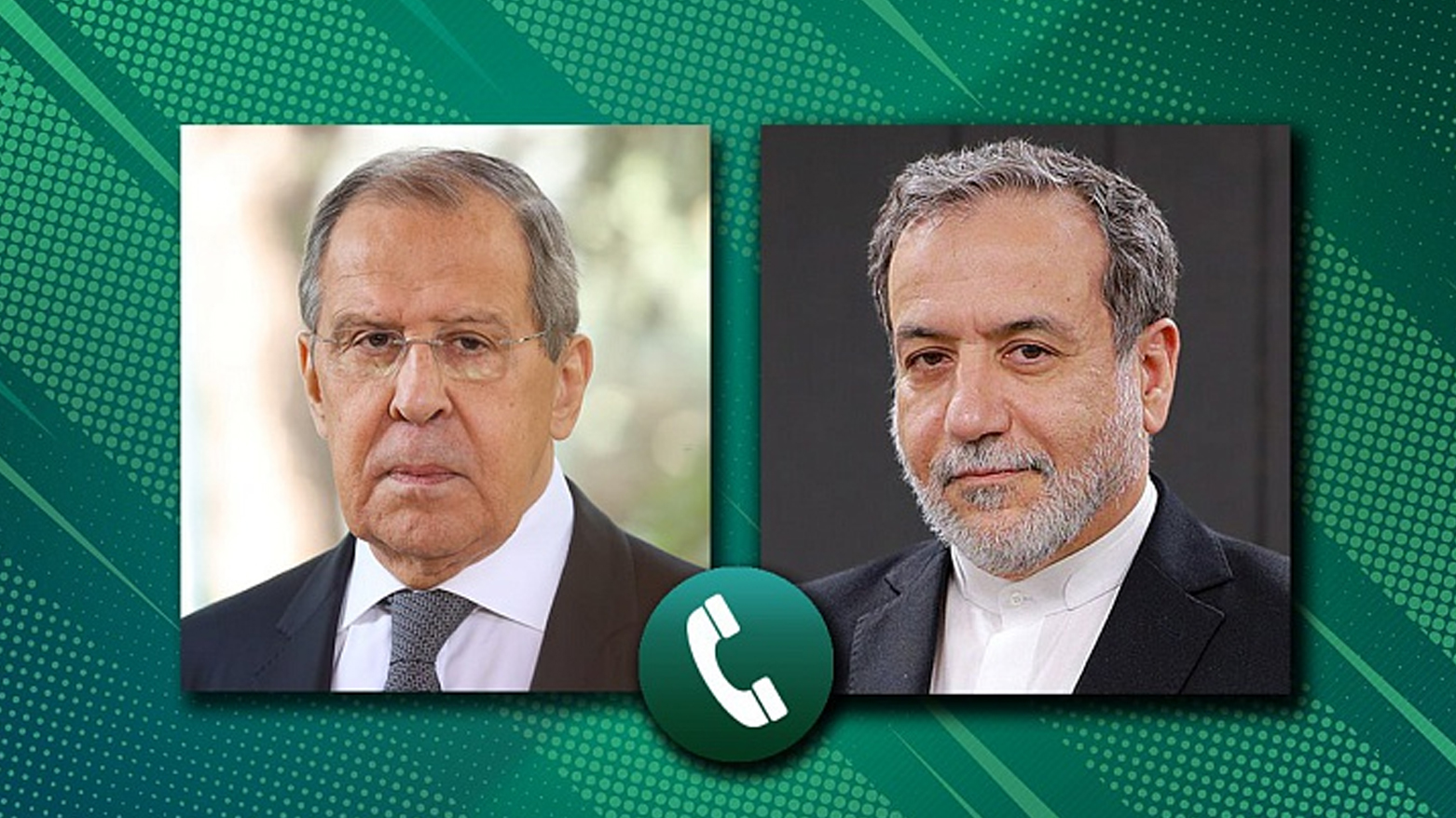
ERBIL (Kurdistan24) - Russia and Iran described recent US and Israeli actions against Tehran as “unprovoked aggression,” as the two countries’ top diplomats held a telephone conversation to discuss the rapidly deteriorating situation across the Middle East.
On Wednesday, the Russian Ministry of Foreign Affairs published a statement regarding a phone conversation between Sergey Lavrov, Foreign Minister of Russia, and Abbas Araghchi, Foreign Minister of the Islamic Republic of Iran.
According to the statement, the conversation took place on March 10.
During the call, the ministers continued exchanging views on the current situation in the Middle East, which they said had “deteriorated drastically due to the unprovoked US-Israeli aggression against Iran.”
Lavrov reiterated Russia’s principled position in favor of reducing tensions as quickly as possible and resuming a political and diplomatic process aimed at resolving the conflict.
The Russian side also expressed readiness to facilitate efforts toward a peaceful settlement.
The statement added that such a process should proceed with due consideration for the security interests of Iran and its regional neighbors.
The diplomatic exchange comes amid escalating tensions following military developments involving the United States Central Command (CENTCOM).
CENTCOM announced that US forces destroyed 16 Iranian naval vessels designed for laying mines during operations conducted near the Strait of Hormuz.
The command said in a statement posted on X:
“U.S. forces eliminated multiple Iranian naval vessels, March 10, including 16 minelayers near the Strait of Hormuz.”
In another post, CENTCOM stated:
“U.S. forces are degrading the Iranian regime's ability to project power at sea and harass international shipping. For years, Iranian forces have threatened freedom of navigation in waters essential to American, regional and global security and prosperity.”
According to a report by Axios citing a US official, the strike was a preemptive measure based on intelligence suggesting Iran was preparing to deploy naval mines in the strategic waterway.
The official said such a deployment could pose a serious threat to commercial shipping and potentially prevent oil shipments from passing through the strait, through which roughly one-fifth of global oil production moves.
The development followed warnings from Donald Trump, who said on Truth Social that Iran would face military consequences “at a level never seen before” if it placed mines in the Strait of Hormuz.
“If, on the other hand, they remove what may have been placed, it will be a giant step in the right direction,” Trump wrote, while clarifying that the United States had no confirmed reports that mines had been placed.
“Additionally, we are using the same Technology and Missile capabilities deployed against Drug Traffickers to permanently eliminate any boat or ship attempting to mine the Hormuz Strait. They will be dealt with quickly and violently,” he added.
In another post, Trump said ten vessels had been destroyed “with more to follow,” while CENTCOM later confirmed that 16 vessels had been eliminated.
Meanwhile, CNN reported that Iran had begun laying mines in the Strait of Hormuz, although the activity was not extensive.
“We thought the Iranians were planning to start laying the mines, so we took out many of the ships,” the US official told Axios.
The exchange between Moscow and Tehran highlights growing diplomatic tensions as military developments and competing narratives continue to shape the unfolding crisis in the Middle East.