Iraqi Lawmakers Aligned with Resistance Factions Launch Campaign to Cancel Framework Agreement with US
Iraqi lawmakers close to Islamic resistance factions gathered 170 signatures to push parliament toward canceling the Baghdad–Washington strategic agreement.
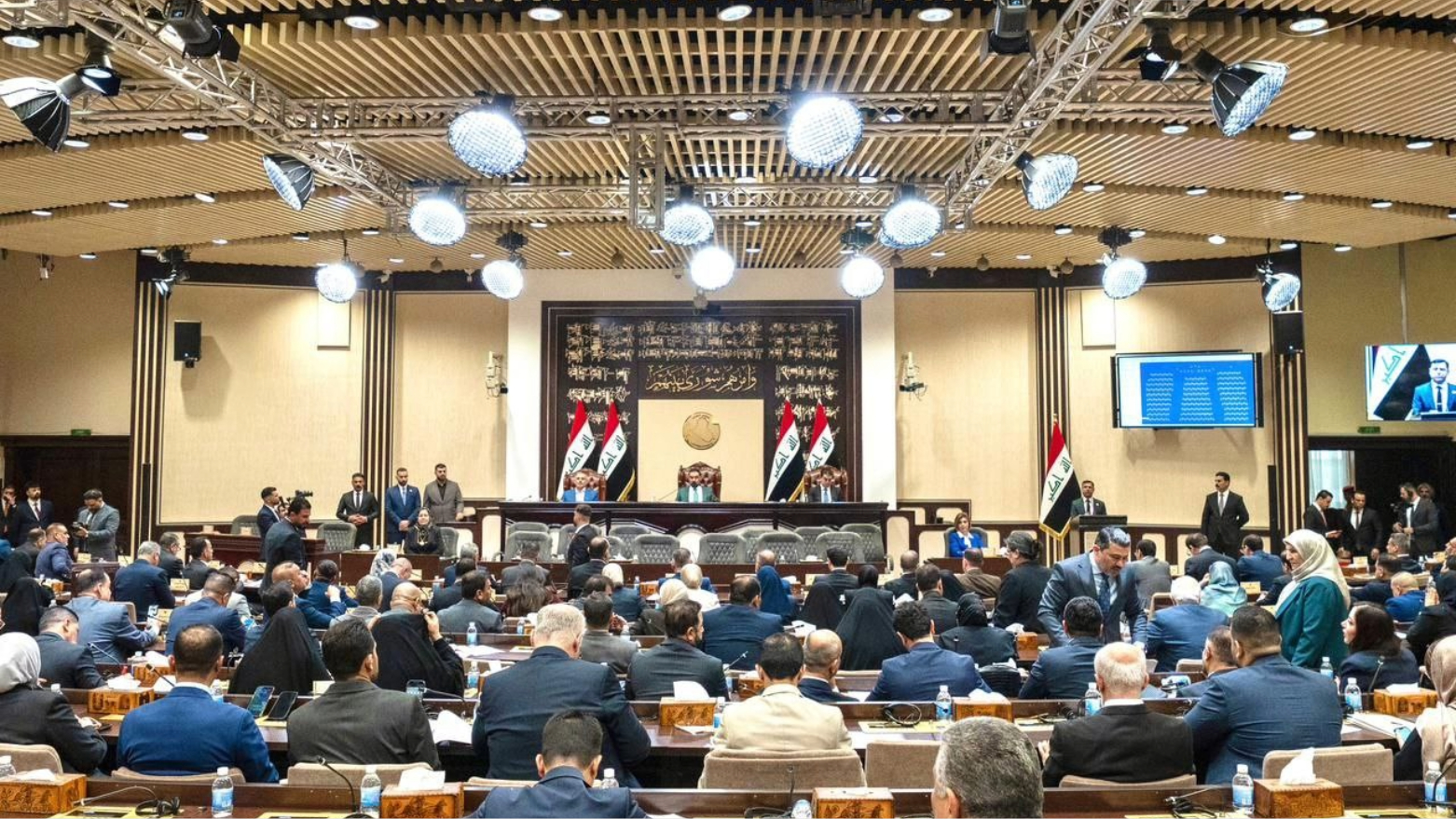
ERBIL (Kurdistan24) - Iraqi lawmakers aligned with factions close to the “Islamic resistance” have launched a parliamentary campaign aimed at dissolving the strategic framework agreement between Baghdad and Washington, following a series of US airstrikes targeting bases of the Popular Mobilization Forces.
In a new political development and as a direct reaction to the security tensions unfolding across Iraq and recent US bombardments, a number of parliamentarians close to the Popular Mobilization Forces and Islamic resistance factions on Saturday, have begun taking formal steps to end the presence of US military and advisory forces in the country.
According to available information, the political forces representing the Popular Mobilization Forces—who hold more than 100 seats in parliament—prepared a memorandum on March 8, 2026.
In the document, they explicitly call for the cancellation of the strategic framework agreement between Iraq and the United States, which governs the provision of military and security advisory support from Washington to Iraqi forces.
Parliamentary sources indicated that the leaders of the campaign have so far succeeded in gathering the signatures of 170 lawmakers from various parliamentary blocs.
With the resumption of regular sessions of the Iraqi parliament, the memorandum and the collected signatures are expected to be formally submitted to the parliament’s presidency.
The principal objective of the move is to compel the parliamentary leadership to organize an extraordinary and special session.
During that session, lawmakers intend to present a draft decision to annul the strategic agreement between Baghdad and Washington and put it to a vote.
If approved, the measure would become a legal decision obliging the government to implement the cancellation of the agreement.
Meanwhile, Iraqi Prime Minister Mohammed Shia al-Sudani emphasized that decisions related to war and military escalation fall exclusively under the authority of the Iraqi state and its official institutions.
According to a statement issued by the Prime Minister’s Office on March 14, 2026, Sudani made the remarks during a meeting with a group of religious leaders in Baghdad.
The Iraqi premier said the country is facing significant challenges amid growing regional tensions, noting that the government is coordinating with political and security actors to navigate the situation.
“Due to the continuation of military operations, the security situation in the region is deteriorating,” Sudani said, reiterating that the authority to declare or engage in war rests solely with the Iraqi state and its institutions.
Sudani also warned that attacks targeting diplomatic missions and the bases of allied forces could expose Iraq to serious and dangerous repercussions.
He stressed that the government will pursue legal accountability through constitutional institutions against individuals or groups involved in such actions.
The prime minister revealed that Iraqi security forces had recently foiled several attempted operations targeting economic facilities or diplomatic missions inside the country.
He also pointed to Baghdad’s ongoing diplomatic efforts with regional and international partners aimed at preventing the expansion of what he described as a “destructive war,” noting that Iraq currently holds the rotating presidency of the Arab League summit.
Addressing regional developments, Sudani said Israeli actions had worsened the crisis, noting the displacement of around 900,000 Lebanese civilians.
He also criticized Israeli Prime Minister Benjamin Netanyahu, accusing him of dragging the region into an unprecedented war and alleging that prohibited weapons had been used in the conflict, resulting in civilian deaths.
The parliamentary push to revoke the Baghdad–Washington agreement reflects growing political pressure inside Iraq as the government seeks to navigate rising regional tensions and security challenges.