Kurdistan Pipeline Exports Expected to Bring Iraq $24 Million Daily
Eco Iraq says current flow covers only 6% of Iraq's total oil exports, offering partial relief amid disruptions
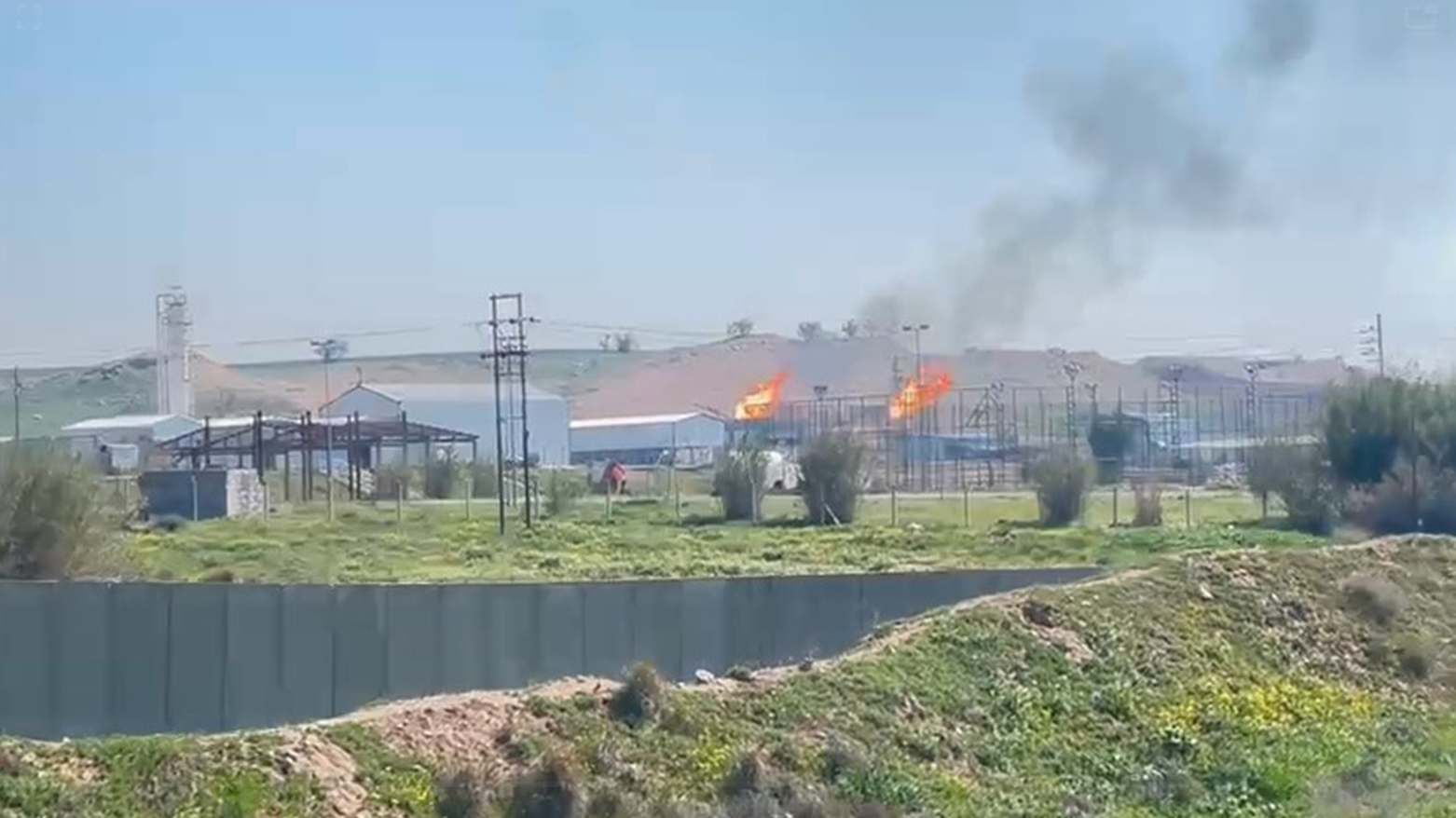
ERBIL (Kurdistan24) — The Eco Iraq said that Iraq’s daily oil exports via the Kurdistan Region pipeline could generate around $24 million per day under current barrel prices, while stressing that the resumed flow represents only a small fraction of Iraq’s total oil shipments.
In a report, Eco Iraq explained that exporting 200,000 barrels per day at $100 per barrel, after deducting transportation fees of $3.15 per barrel, would provide roughly $24.21 million in daily revenue.
The statement detailed how transport fees are divided: $2 per barrel is paid within Iraqi territory to pipeline owners, including Rosneft (49%), the Kar Group (40%), and the rest goes to DEX Capital, while an additional $1.15 per barrel is paid to Türkiye for passage to the Ceyhan Port on the Mediterranean.
Eco Iraq noted that the resumption of exports through the Kurdistan pipeline accounts for only about 6% of Iraq’s total oil exports, serving as a partial solution to compensate for losses caused by disruptions to shipments through the Strait of Hormuz.
The observatory also emphasized the need to diversify Iraq’s oil infrastructure and reduce reliance on high-risk maritime routes to ensure more stable revenue flows and strengthen energy security.
While the Kurdistan pipeline provides a temporary boost to Iraq’s revenues, it underscores Iraq’s vulnerability to regional disruptions and geopolitical pressures.
Expanding alternative export routes and investing in domestic infrastructure could help Baghdad mitigate the economic impact of future conflicts, stabilize its oil-dependent economy, and reduce the strategic leverage held by external actors controlling key maritime chokepoints.
The Kurdistan Regional Government Ministry of Natural Resources announced on Wednesday the beginning of exporting 250,000 barrels of oil per day from the Kirkuk oil fields through the Kurdistan Region’s pipeline network to Türkiye, following a directive from Prime Minister Masrour Barzani.
In a statement, the ministry said the decision was taken in response to “extraordinary circumstances” facing the country and as part of broader efforts to manage the current situation.
According to the statement, operations began early Wednesday at 6:30 a.m., with the Ministry of Natural Resources coordinating closely with the Iraqi Ministry of Oil to begin activities at the Saralu oil facility, enabling the flow of crude from Kirkuk fields.