French FM Urges Iran to Make 'Major Concessions' for Long-Term Middle East Peace
The French Foreign Minister called on Iran to undertake major concessions as part of a political resolution, while urging Israel and Lebanon to pursue direct negotiations and coordinated measures to reduce tensions across the region.
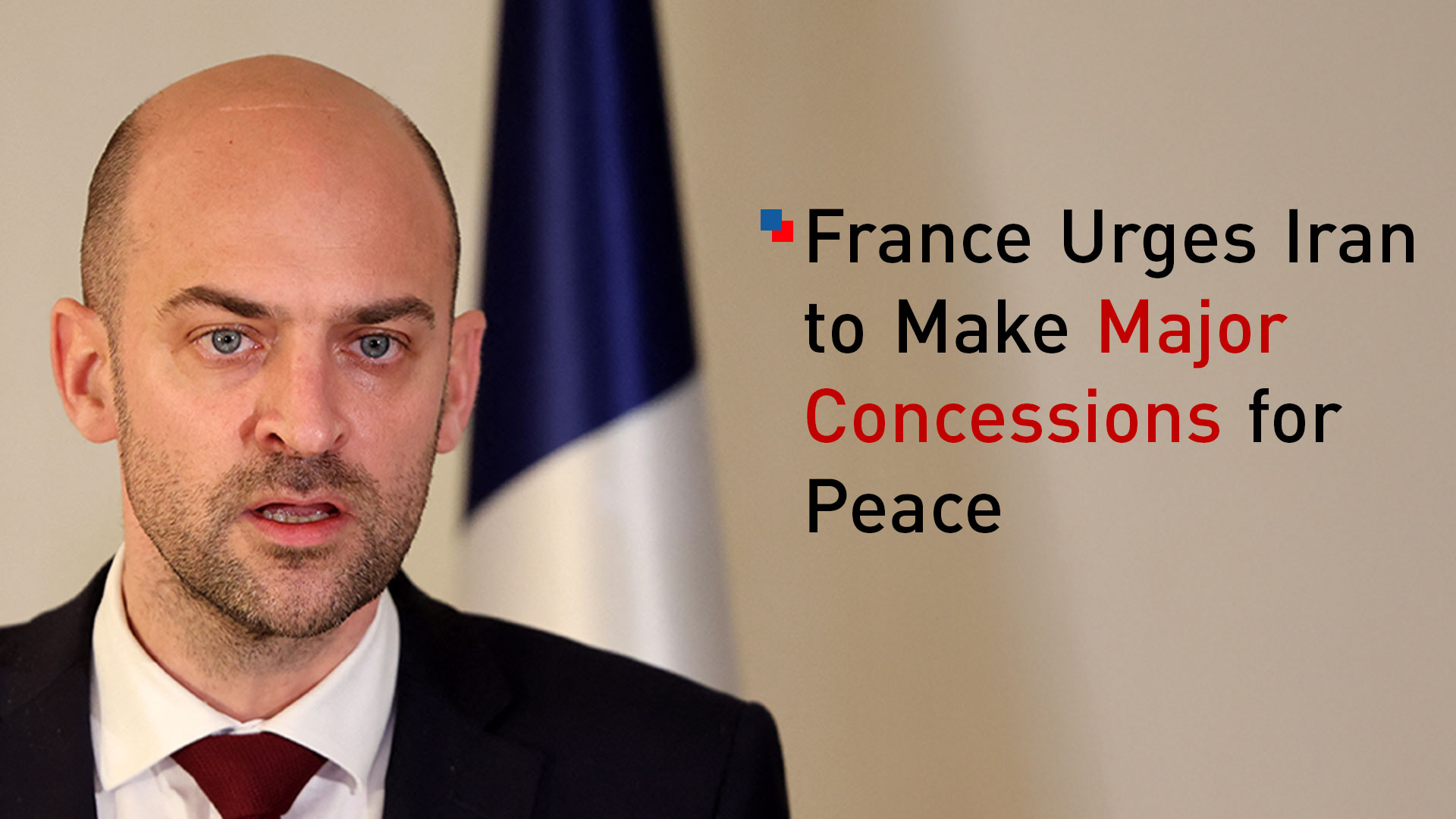
ERBIL (Kurdistan24) - France’s Foreign Minister, Jean-Noel Barrot, called on Iran on Friday to make major concessions as part of any long-term political solution following the ongoing Middle East war, during a visit to Israel, AFP reported. Barrot emphasized that military operations alone would not suffice and must be complemented by a political framework capable of producing lasting results.
Barrot told journalists in Tel Aviv that “the Iranian regime must be prepared to make major concessions — a radical change of stance.” He also repeated a European call for a moratorium on attacks against energy infrastructure after an Israeli strike on a key Iranian gas field contributed to rising global energy prices.
The French diplomat visited Beirut on Thursday, expressing France’s reservations regarding Israel’s ongoing ground operations against Iran-backed Hezbollah forces in Lebanon. Barrot encouraged Israel to seize what he described as an “historic opportunity” to hold direct talks with Lebanese authorities, following an agreement by French President Emmanuel Macron to host the negotiations. He added that the Lebanese government had signaled its unprecedented openness to high-level direct talks with Israel.
Israel’s Foreign Minister, Gideon Saar, said he had discussed with Barrot the “scope of attacks on Israel from Lebanese territory.” Saar wrote on X that the Lebanese government and army were not taking “any meaningful action against Hezbollah, neither militarily nor in other aspects.” He also called on the European Union to designate Hezbollah “in its entirety as a terrorist organisation, not only its military wing, as several European countries already did.”
Barrot framed regional stability as contingent not only on halting hostilities but also on political processes, including the implementation of U.S. President Donald Trump’s peace plan for Gaza, which ended two years of conflict in October. The plan envisions disarmament of Hamas, a gradual withdrawal of Israeli military forces, and the deployment of an international stabilization force, with a transitional Palestinian technocratic committee overseeing daily governance, Barrot noted.
During his visit to Israel, Barrot engaged in consultations with both Israeli officials and regional partners to coordinate France’s diplomatic approach to the conflicts involving Iran-backed militias, Israel, and neighboring states. He underscored that European powers are seeking avenues to de-escalate tensions while ensuring that long-term political solutions address the root causes of instability.
AFP reported that Barrot’s remarks followed a week of heightened military activity across the region, including Israeli operations targeting Iranian-backed positions in Lebanon and Syria. The French minister stressed the importance of establishing mechanisms to prevent further escalation, particularly regarding energy infrastructure, which has been vulnerable to recent strikes.
Barrot’s discussions in Beirut and Tel Aviv reflected France’s broader role in mediating regional diplomacy, emphasizing negotiation channels and multilateral dialogue as essential complements to military containment measures. He noted that France’s diplomatic engagement is aimed at securing commitments from both Iran and Israel for sustained reductions in hostilities and constructive talks to address security and political challenges.
The French Foreign Minister’s call for Iranian concessions represents a concerted effort by European powers to integrate diplomatic solutions alongside military developments in the region. He stressed that achieving long-term stability requires both adherence to international norms and active participation from regional governments, including Israel and Lebanon, as well as multilateral support from the European Union and other international partners.
France’s diplomatic initiative also highlighted the ongoing concerns regarding the enforcement of regional security measures, the role of non-state actors, and the protection of civilian populations from collateral effects of military operations. Barrot’s statements underlined France’s advocacy for coordinated international action to stabilize the Middle East and address the underlying political and security challenges.
Barrot concluded that only through combined political engagement, restraint in military operations, and regional cooperation could a durable solution be achieved, with a particular focus on safeguarding critical infrastructure and preventing further humanitarian consequences.