CENTCOM Cites Air Superiority and 8,000 Strikes in Operations Against Iran
CENTCOM says U.S. strikes have degraded Iran’s military, hitting missiles, drones, and naval assets, including coastal sites struck with 5,000-lb bombs, as over 8,000 targets were hit in three weeks of Operation Epic Fury.
ERBIL (Kurdistan24) - The commander of U.S. Central Command said American forces have significantly reduced Iran’s military capabilities during ongoing operations, citing sustained strikes on missile systems, naval assets, and military infrastructure as part of what he described as a coordinated campaign to limit Tehran’s ability to project power beyond its borders.
In a recorded update marking the 22nd day of combat operations under Operation Epic Fury, CENTCOM Commander Admiral Brad Cooper said U.S. forces “continue to take bold action” and remain on course with operational plans aimed at diminishing Iran’s external military reach.
According to Cooper, recent operations included what he described as the longest field artillery strike in U.S. Army combat history, conducted two days prior using precision strike missiles. He said the strike targeted Iranian military infrastructure and demonstrated the operational range of U.S. forces.
Cooper stated that Iran has lost “significant combat capability” over the course of three weeks, with U.S. forces targeting large numbers of missiles, advanced drones, and naval assets. He said Iran’s navy, which he described as previously used to harass international shipping, is no longer operational at sea. “Their Navy is not sailing, their tactical fighters are not flying, and they have lost the ability to launch missiles and drones at the high rates seen at the beginning of the conflict,” he said.
The CENTCOM commander also reported that U.S. forces have conducted more than 8,000 combat flights since the start of the operation, maintaining air superiority over Iranian airspace. He said aircrews, including tanker, fighter, and bomber units, have been engaged in continuous operations to sustain pressure on identified targets.
“Our aircrews are performing exceptionally across the fight,” Cooper said, noting that tanker aircraft have extended operational reach while fighter and bomber units conducted precision strikes. He added that pilots are actively identifying and engaging targets in real time.
According to Cooper, U.S. forces have struck more than 8,000 military targets to date, including 130 Iranian vessels. He described the campaign as the largest elimination of naval assets over a three-week period since World War II.
Cooper’s operational assessment indicated that Iran’s overall combat capability is “on a steady decline” as U.S. offensive operations continue. He said the campaign combines sustained offensive strikes with defensive measures aimed at countering Iranian retaliatory actions.
He highlighted the role of regional defense systems, stating that U.S. and partner forces have established what he described as the most extensive air defense network currently operating in the Middle East. According to Cooper, this system has been developed over years of cooperation with regional allies and is now actively intercepting incoming threats.
“Our Gulf partners, in particular, have defended against thousands of Iranian drone attacks,” he said, describing the effort as a demonstration of coordinated defense capabilities among allied countries.
Cooper also pointed to operations targeting Iran’s coastal military infrastructure, particularly in areas linked to maritime security. He said U.S. forces conducted strikes earlier in the week on an underground facility along Iran’s coastline that was used to store anti-ship cruise missiles and related equipment.
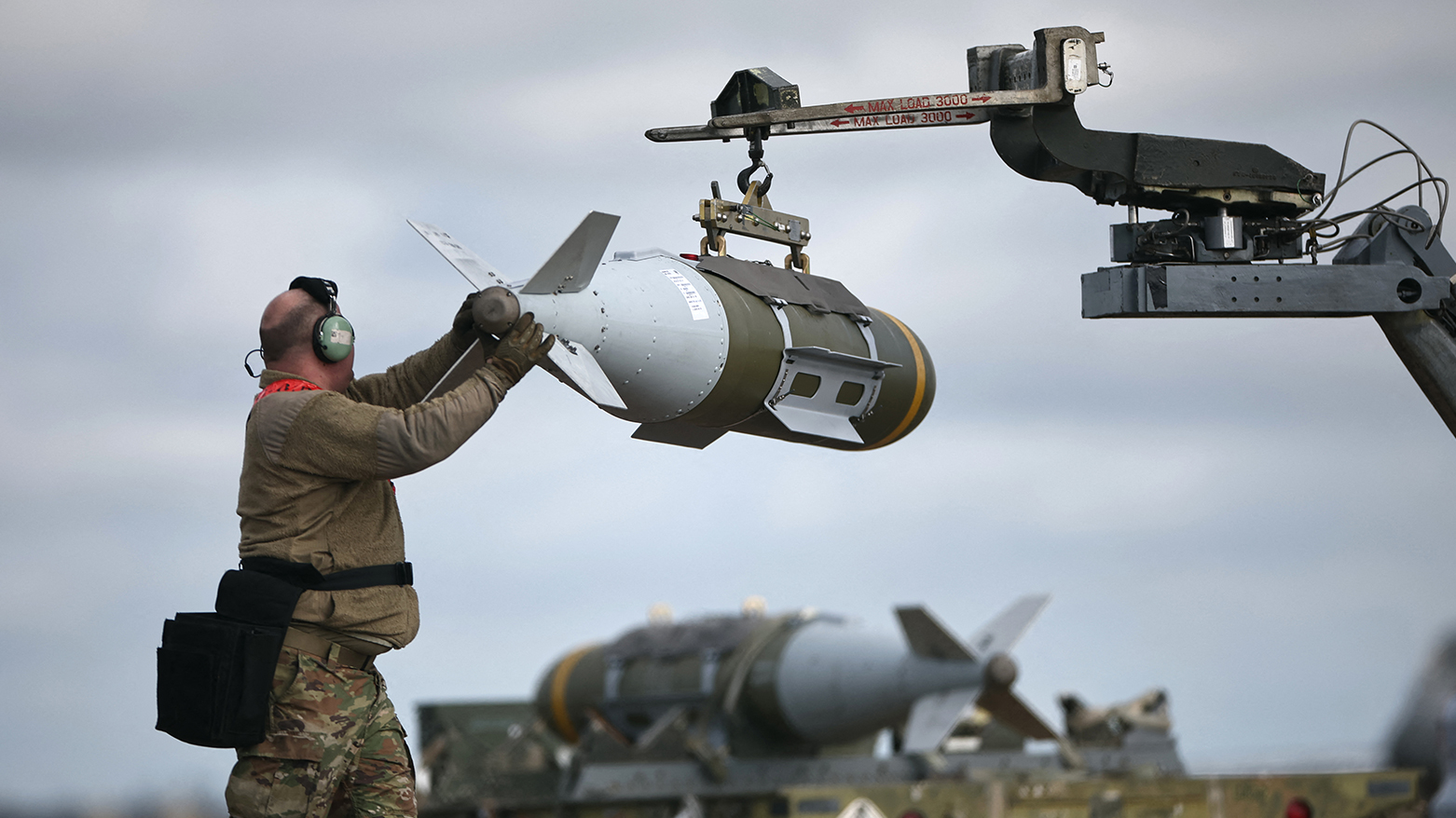
According to the statement, the facility housed mobile missile launchers and systems used to monitor maritime traffic, posing a risk to commercial shipping routes. Cooper said the strikes involved multiple 5,000-pound bombs and resulted in the destruction of both the primary site and associated support infrastructure, including radar relay systems.
He said these operations have reduced Iran’s ability to threaten navigation in and around the Strait of Hormuz, a critical maritime corridor for global energy shipments. “Iran’s ability to threaten freedom of navigation in and around the Strait of Hormuz is degraded as a result, and we will not stop pursuing these targets,” he said.
The CENTCOM commander also addressed U.S. personnel involved in the operation, noting that more than 50,000 American service members are supporting the campaign across the region. He reiterated guidance previously issued to forces, emphasizing operational momentum, teamwork, and discipline.
“Be relentlessly lethal. We have the momentum,” Cooper said. “Be a great teammate… and steady your resolve.”
He also commended U.S. service members for their performance, stating that their actions reflect training and coordination developed over years of preparation.
The update represents the fourth operational briefing provided by Cooper since the start of Operation Epic Fury and outlines continued U.S. military activity targeting Iranian capabilities across multiple domains, including air, sea, and missile systems.
U.S. Central Command said operations remain ongoing as part of efforts to reduce Iran’s military capacity and secure maritime routes in the region.