Israeli Interceptors Failed to Stop Iranian Missiles in Rare Breach of Defenses
"More than 90 percent of launches are typically intercepted," Defrin noted, underscoring the rarity of this failure.
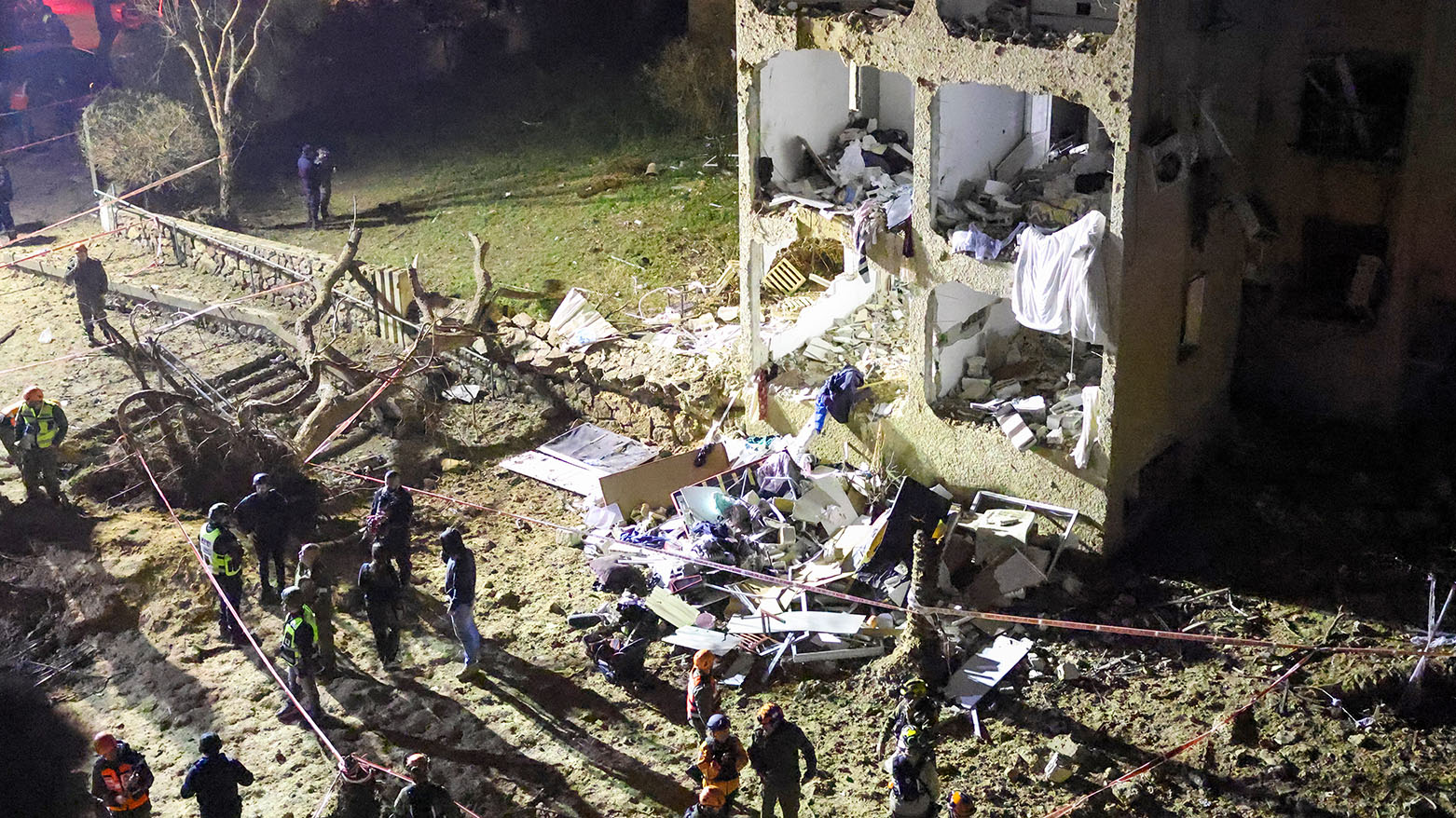
ERBIL (Kurdistan24) – Israeli military spokesperson Effie Defrin announced on Monday that interceptor systems were deployed during two separate Iranian missile launches on Saturday but failed to prevent the incoming strikes, marking an unusual lapse in Israel's air defense performance.
"More than 90 percent of launches are typically intercepted," Defrin noted, underscoring the rarity of this failure.
The Iranian missile strikes targeted southern Israel late Saturday, hitting the cities of Arad and Dimona in what officials described as one of the most intense escalations since the conflict began three weeks ago.
Hospital officials reported that more than 150 people were injured in these attacks. In Arad, a missile struck a residential area, wounding at least 75 individuals, including ten in critical condition, and causing widespread damage to buildings.
A second missile hit Dimona, a city located near Israel's nuclear reactor in the Negev desert, injuring 33 people. The Israeli military confirmed a direct hit on a structure, while footage from the scene showed large explosions and a deep crater approximately five kilometers from the nuclear facility.
In his first official response, Israeli Prime Minister Benjamin Netanyahu described the events as "an extremely difficult night in a battle of destiny," pledging that Israel would respond "on all fronts."
Meanwhile, Iranian state television stated that the strike on Dimona was carried out in retaliation for an earlier attack on the Natanz nuclear facility. Tehran accused Washington and Tel Aviv of targeting centrifuge systems at the site earlier on Saturday, further intensifying tensions in the region.