Could Abbas Araghchi’s 'Bazaar Negotiation Tactic' Help Iran Navigate Its Current Crisis?
Former U.S. officials familiar with Araghchi’s negotiating approach described him as professional and pragmatic in diplomatic settings, though at times willing to adopt more confrontational tactics, the WSJ reported.
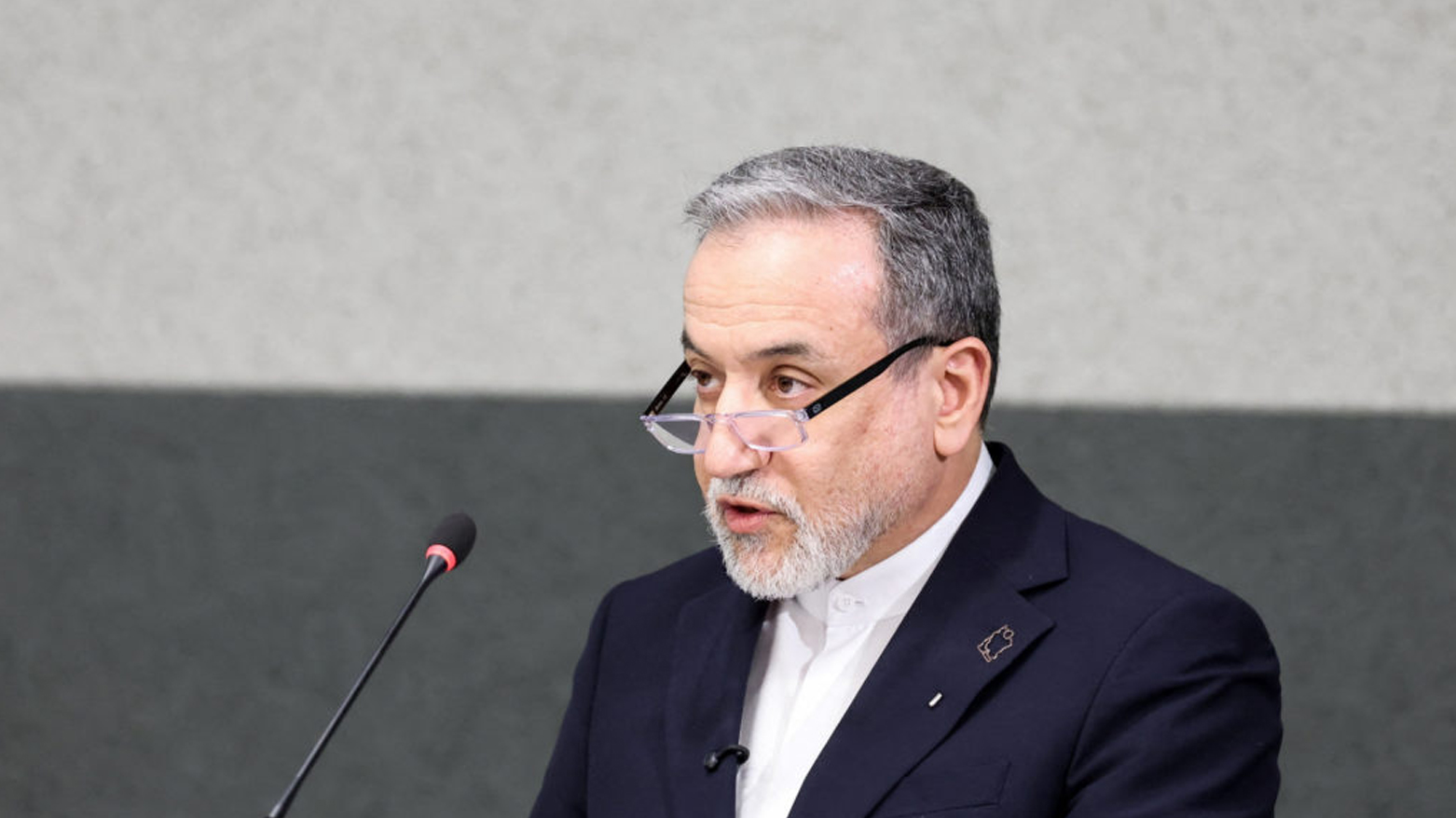
ERBIL (Kurdistan24) - In the aftermath of a devastating U.S. and Israeli campaign that decimated much of Iran’s leadership, the country’s top diplomat, Abbas Araghchi, has emerged as the chief public face of a defiant regime. Known within Western diplomatic circles for his relentless negotiation style, Araghchi has become Iran’s prominent messenger, projecting both resolve and a readiness to retaliate against what he describes as “unprovoked aggression,” according to the Wall Street Journal (WSJ).
At 63, Araghchi has long been Tehran’s lead negotiator on sensitive international matters, particularly Iran’s nuclear program.
The WSJ describes him as a regime loyalist with deep experience navigating both hardline and moderate factions within Iran, yet without the popular or factional base of figures such as the late Ali Larijani, the country’s security chief.
“He’s always been an implementer. Not somebody who was used to shaping policy,” said Ali Vaez, Iran project director at the International Crisis Group, as cited by the WSJ.
Araghchi’s rise to prominence comes amid a volatile diplomatic landscape. President Trump recently signaled a possible winding down of the conflict, while Iranian state media, citing the Foreign Ministry, denied any negotiations with Washington.
In a CBS News interview highlighted by the WSJ, Araghchi himself rejected talks, framing U.S. military actions as “illegal” and asserting Iran’s right to defend itself. In public statements and social-media posts, he warned that Iran’s response to attacks on its infrastructure would escalate if Israel continued its strikes.
“ZERO restraint if our infrastructure is attacked,” he declared on X, the platform formerly known as Twitter.
The WSJ emphasizes that Araghchi’s negotiation approach reflects a long-standing philosophy shaped by both personal background and professional experience.
The grandson of a carpet merchant, he likens diplomacy to bargaining in the Iranian bazaar, where persistent haggling and multiple arguments can produce results—a concept he elaborated in his book, The Power of Negotiation.
U.S., European, and Gulf officials describe his tactics as alternating between professionalism and assertive brinkmanship, with the ability to reopen settled matters unexpectedly, frustrating counterpart negotiators. Wendy Sherman, who led U.S. talks with Iran in 2015, recalled that Araghchi could “do human” in private but also “drive her to angry tears” with his trench-warfare style, according to the WSJ.
Throughout his career, Araghchi has combined technical expertise with political loyalty.
His deep knowledge of nuclear issues enabled him to operate effectively within moderate circles while maintaining hardline credibility, anchoring former Foreign Minister Javad Zarif to Ayatollah Ali Khamenei’s red lines.
Richard Nephew, a U.S. negotiator on the nuclear deal, told the WSJ that Araghchi “didn’t much like the United States but believed it was in Iran’s national interest to reach a credible agreement.”
Despite his measured professionalism, Araghchi has also projected forceful posturing abroad.
The WSJ reports that he at times threatened regional neighbors, telling Saudi officials that Iran might target the United Arab Emirates if war broke out, while at other moments implying potential escalation against the kingdom itself.
White House envoy Steve Witkoff said Araghchi had boasted of Iran’s nuclear capabilities to intimidate U.S. officials, a claim Araghchi denied, noting that the country’s enriched uranium stockpile had been publicly reported for years.
Araghchi’s domestic influence is more constrained. While ambitious, he lacks the broad popular base to shape policy independently. Still, his strategic acumen and ability to navigate Iran’s factional landscape could make him a central figure in any effort to steer Tehran through the current crisis.
Enrique Mora, a Spanish diplomat involved in nuclear deal talks, noted that Araghchi’s overarching goal has been to lift sanctions and stabilize the Iranian economy, even if he shows no indication of supporting internal political or social reform.
As Iran faces continuing threats and international pressure, Araghchi’s combination of disciplined negotiation, defiant rhetoric, and bazaar-style tactics may define Tehran’s approach.
The WSJ underscores that while his style can frustrate foreign interlocutors, it also makes him an effective conduit for conveying Iran’s red lines and ambitions. In the months ahead, his actions may reveal whether such negotiation methods can secure tangible concessions or protect Iran from further escalation, even as the country grapples with a leadership vacuum and external threats.
With much of Iran’s senior leadership either incapacitated or in hiding, Araghchi’s prominence is likely to endure, shaping both the messaging and tactical posture of a government intent on defending its strategic interests.
As the WSJ notes, his blend of technical expertise, political loyalty, and confrontational diplomacy positions him as a figure capable of navigating the immediate crisis, though the limits of his influence remain under close scrutiny.