Strikes Hit Iranian Energy Facilities in Isfahan, Khorramshahr Amid Ongoing Tensions
Strikes hit Iranian energy sites in Isfahan and Khorramshahr despite Us President’s pause on attacks, as Tehran warns of wider escalation and denies talks. Fighting and threats continue to test prospects for de-escalation.
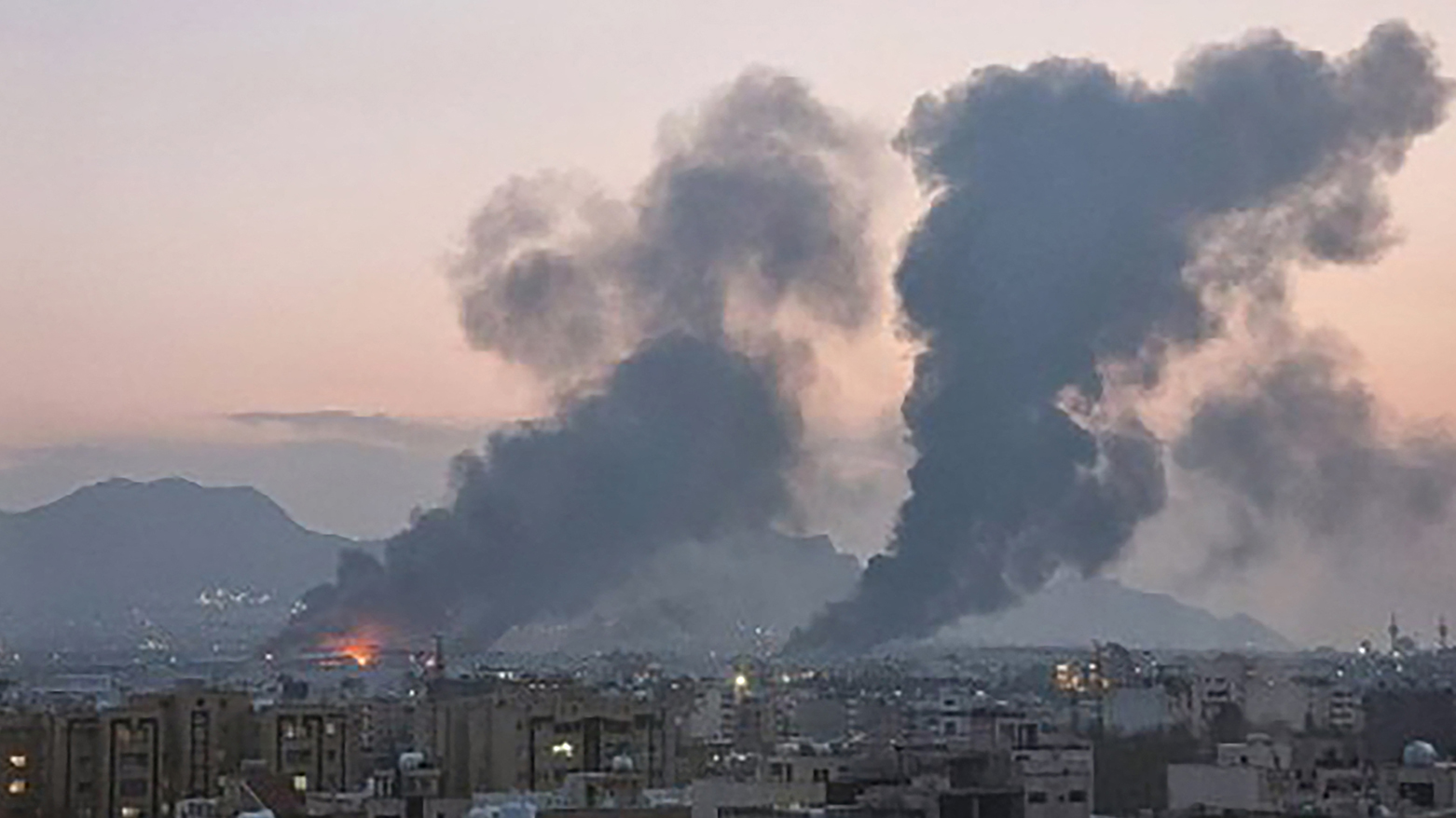
ERBIL (Kurdistan24) - Early Tuesday Iranian media reported that energy facilities in the cities of Isfahan and Khorramshahr were targeted in separate strikes, despite a previously announced five-day delay on attacks against Iran’s energy infrastructure by U.S. President Donald Trump.
According to Fars News Agency, a gas management building and a gas pressure reduction station located on Kaveh Street in Isfahan were struck, causing damage to parts of the facility as well as several nearby residential units. The report noted that preemptive measures, including taking the station offline before the attack, prevented a larger explosion.
In Khorramshahr, the city’s governor said a missile landed outside a gas pipeline station, resulting in no casualties. The official added that energy supply to residents continued without interruption.
The reported strikes follow earlier attacks on March 18 targeting Iran’s South Pars gas field and facilities in Asaluyeh, which Iranian authorities have attributed to Israel. Following those incidents, Trump stated that he had requested a halt to further strikes and set a five-day period to allow for potential diplomatic engagement, though Iranian officials have denied that any direct negotiations are underway.
In response to the latest developments, senior Iranian officials reiterated warnings regarding further attacks on the country’s infrastructure. Iranian Parliament Speaker Mohammad Bagher Qalibaf stated that if Iranian power plants were targeted, “vital energy facilities throughout the entire Middle East will face irreversible destruction,” according to a statement.
At the same time, Iran’s Islamic Revolutionary Guard Corps (IRGC) warned that its response would extend beyond Israel to include U.S. military bases in the region, as well as energy and water infrastructure in countries cooperating with such attacks, officials said.
Additional remarks from Iranian officials have underscored the potential for escalation. Mohsen Rezaee, a member of Iran’s Expediency Discernment Council and a former IRGC commander, said in a televised interview that Iran would intensify its response if its infrastructure were targeted. “If you attack the infrastructure of the Islamic Republic of Iran, our response will no longer be an eye for an eye, but rather a head for an eye; we will paralyze you and drown you in the Gulf,” he said, according to remarks cited by Fars.
Rezaee added that the conflict would continue until specific conditions were met, including compensation for war damages, the lifting of sanctions, and guarantees against U.S. interference in Iran’s internal affairs.
These developments occur amid ongoing military operations involving the United States, Israel, and Iran. U.S. Central Command (CENTCOM) said its campaign has involved thousands of combat flights and strikes on a wide range of Iranian military assets, including missile facilities and command centers.
Iran, for its part, has continued missile and drone operations under what it describes as “Operation True Promise 4,” targeting locations in Israel and U.S. installations in the region, according to statements by the IRGC.
Israeli Prime Minister Benjamin Netanyahu said Monday that Israel would continue its military operations targeting Iran and affiliated groups, noting ongoing efforts to dismantle missile and nuclear capabilities.
Meanwhile, U.S. officials have indicated that the temporary pause in planned strikes on Iranian energy infrastructure is linked to preliminary discussions with Iranian interlocutors, though Tehran has consistently maintained that no formal negotiations have taken place. Iranian Foreign Ministry spokesperson Esmail Baqaei reiterated that exchanges through intermediaries do not constitute dialogue and warned that any attack on energy infrastructure would prompt a “decisive, immediate, and effective response.”
The reported strikes in Isfahan and Khorramshahr occurred within this broader context of continued military activity and competing official statements regarding diplomatic engagement.