IDF Reports 3,000+ Strikes in Iran Since Start of War as U.S. Signals Possible Talks
The IDF reported over 3,000 strikes across Iran since the start of Operation Roaring Lion, with operations continuing in parallel to U.S. efforts to explore potential agreements with Tehran.
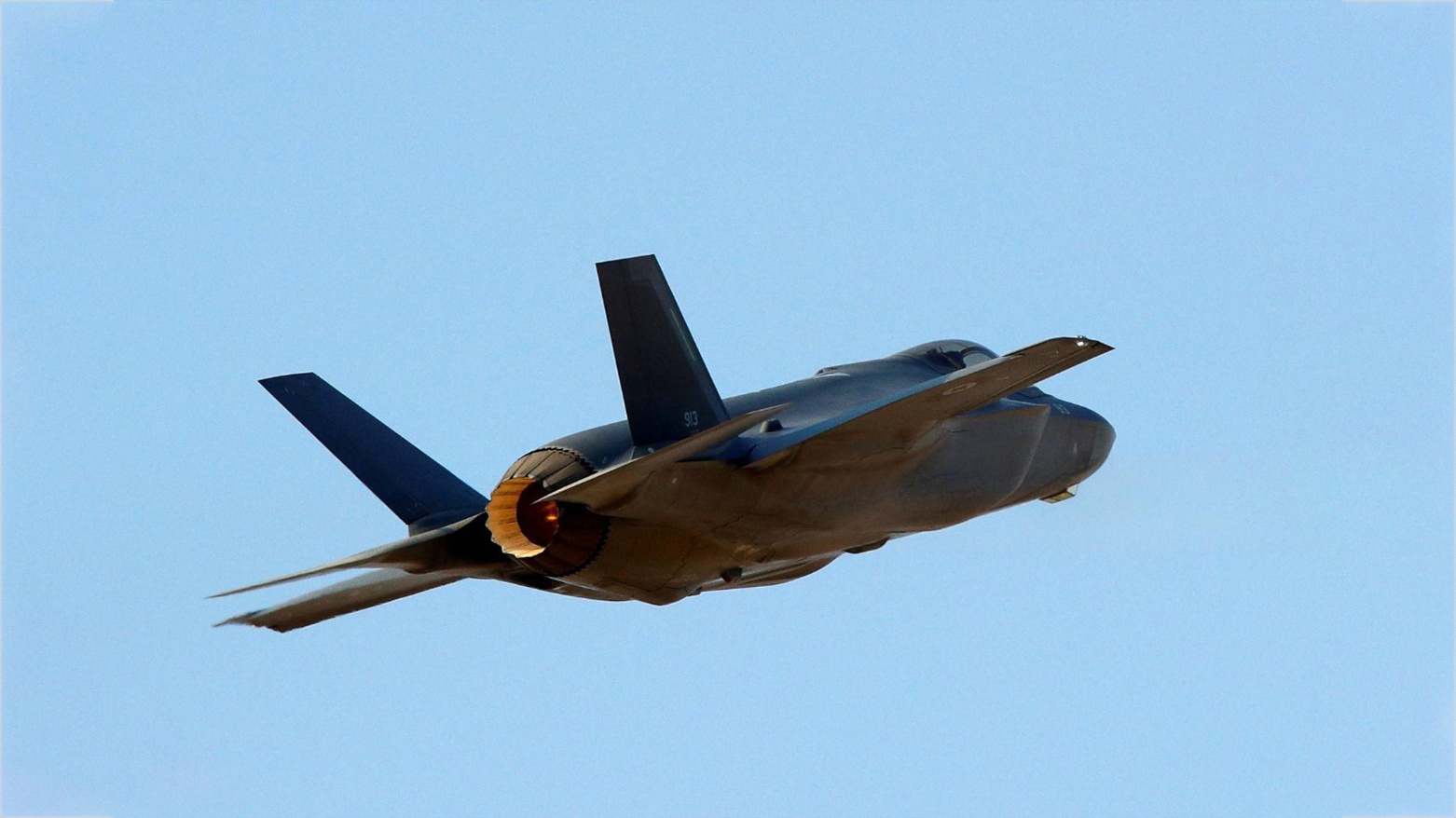
ERBIL (Kurdistan24) - Israel's Defense Force (IDF) announced via its X account on Tuesday that it has carried out more than 3,000 strikes across Iran since the start of Operation Roaring Lion.
The IDF statement noted that yesterday alone, Iranian Revolutionary Guard Corps (IRGC) command centers, weapons storage facilities, and aerial defense systems were targeted. Overnight, an additional 50 sites were struck, including ballistic missile storage and launch facilities.
Israeli Prime Minister Benjamin Netanyahu said Monday that military operations would continue in both Iran and Lebanon while the United States explores a potential agreement with Tehran.
In a statement, Netanyahu said he had spoken with U.S. President Donald Trump, who “believes that there is an opportunity to leverage the great achievements of the IDF and the U.S. military to realize the goals of the war in an agreement that will safeguard our vital interests.”
Netanyahu reaffirmed Israel’s ongoing military campaign, stating, “In parallel, we continue to attack both in Iran and Lebanon. We are methodically dismantling the missile program and the nuclear program and continue to hit Hezbollah hard.”
He also referenced recent operations that resulted in the elimination of two Iranian nuclear scientists and emphasized Israel’s commitment to protecting strategic interests.
U.S. President Trump announced a temporary five-day pause on planned strikes against major Iranian energy and electricity targets while preliminary communications with Tehran continue.
Speaking at a roundtable in Memphis, Tennessee, Trump described the discussions as “very, very good” and said further contact would likely take place by telephone. He framed the pause as a window to explore a potential agreement without additional military action.
While U.S. officials linked the suspension of strikes to constructive engagement, Iranian authorities emphasized that no formal negotiations were underway.
Iranian Parliament Speaker Mohammad Bagher Qalibaf stated Monday that “no type of negotiation has been conducted with the United States of America,” dismissing prior reports of indirect contacts as attempts to influence markets.
Foreign Ministry spokesperson Esmail Baqaei confirmed that Tehran had received messages from the U.S. through allied countries but stressed these did not constitute formal negotiations.
Baqaei added that any military action against Iran’s energy infrastructure would prompt a “decisive, immediate, and effective response,” highlighting Tehran’s positions on the Strait of Hormuz and conflict conditions.
The developments come amid the fourth week of U.S.-Israel-Iran military engagements, which have included expanded U.S. naval deployments and Iranian missile and drone strikes targeting Gulf locations and southern Israel.
Despite the temporary U.S. pause, the IDF confirmed that strikes continue unabated, reflecting Israel’s ongoing operational objectives against Iranian military capabilities and affiliated groups.