Iran Expresses Doubt Over Trump's Peace Push, Citing Past Attacks During Negotiations
Iran doubts Trump’s peace efforts, citing past attacks during talks, as the US pushes negotiations while continuing military buildup in the region.
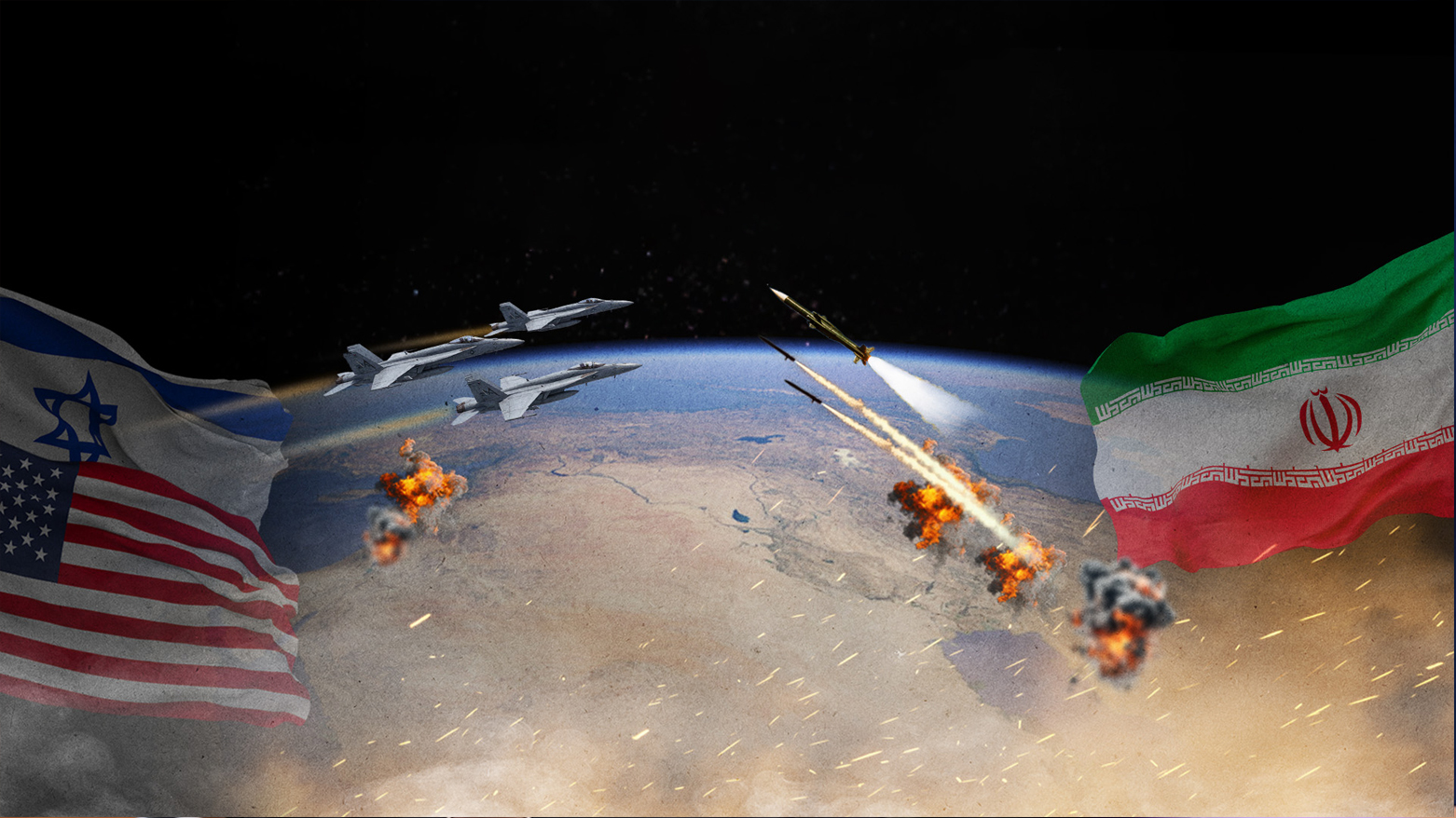
ERBIL (Kurdistan24) - Iranian officials have raised doubts over US President Donald Trump’s push for renewed peace talks, expressing concern that diplomacy efforts may coincide with continued military escalation.
According to a report by Axios, Iranian officials told mediating countries that they had been “tricked twice” by Trump during previous rounds of negotiations and do not want to be misled again.
The report stated that the United States is pushing for in-person peace talks as early as Thursday in Islamabad, Pakistan. However, during earlier negotiations, Trump approved surprise attacks while maintaining that he was pursuing a deal.
In one instance, Israel carried out an attack on Iran with Trump’s backing days before a planned round of nuclear talks. In another, the US and Iran reached a tentative agreement in Geneva to continue discussions, only for the US and Israel to launch attacks two days later.
Behind the scenes, Iranian officials conveyed to mediators, including Pakistan, Egypt, and Turkey, that US military movements and decisions to deploy reinforcements have increased their suspicion that the peace proposal may be a ruse.
At the same time, the Trump administration views the buildup of forces as a signal of seriousness in negotiations. A Trump adviser described the approach by saying, “Trump has a hand open for a deal and the other is a fist, waiting to punch you in the f***ing face.”
The White House has also sought to demonstrate its commitment to diplomacy by suggesting the possible involvement of Vice President JD Vance in the talks. According to two sources, the recommendation was made due to his position and the perception that he is not a hawk.
On Tuesday, Trump pointed to what he described as a trust-building gesture from Iran, telling reporters: “They did something yesterday that was amazing actually. They gave us a present and the present arrived today. It was a very big present worth a tremendous amount of money.”
Without providing details, he said the “gift” was related to oil and gas and connected to the flow in the Strait of Hormuz, adding that it showed the US was dealing with the right counterparts in Tehran.
Despite these developments, US and Israeli officials indicated that both diplomacy and military escalation are being pursued simultaneously, with plans for two to three more weeks of conflict even if talks proceed.
Trump also instructed Secretary of Defense Pete Hegseth to maintain military pressure on Iran. Hegseth later told reporters, “We negotiate with bombs.”
Efforts to initiate negotiations have not altered existing Pentagon directives to CENTCOM regarding military operations and planning.
The report added that additional reinforcements, including fighter jet squadrons and thousands of troops, are expected to arrive in the Middle East in the coming days and weeks. A Marine expeditionary unit is set to arrive this week, with another expected to follow.
The command element of the 82nd Airborne Division has also been directed to deploy to the region with an infantry brigade consisting of several thousand troops.
A White House official noted that a ground operation remains an option, though no final decision has been made.
Meanwhile, Iran received a 15-point US proposal through mediators outlining potential steps, including ending the war, reopening the Strait of Hormuz, lifting sanctions, and securing assurances on nuclear activity, missile programs, and support for proxies.
The United States is seeking to discuss the plan as a package in a potential meeting in Pakistan, though no final agreement on the talks has been reached.
As both sides weigh diplomacy against continued military pressure, deep mistrust continues to shape the trajectory of potential negotiations.