Pakistan And Iran Vow Diplomatic Coordination as Israel Strikes Over 200 Targets in Iran and Lebanon
Pakistan and Iran reaffirmed diplomatic coordination on April 4 as Foreign Ministers Dar and Araghchi agreed to monitor regional developments closely. Simultaneously, Israel struck over 200 military targets in Iran and Lebanon, hitting IRGC sites, missile facilities, and over 140 Hezbollah positions
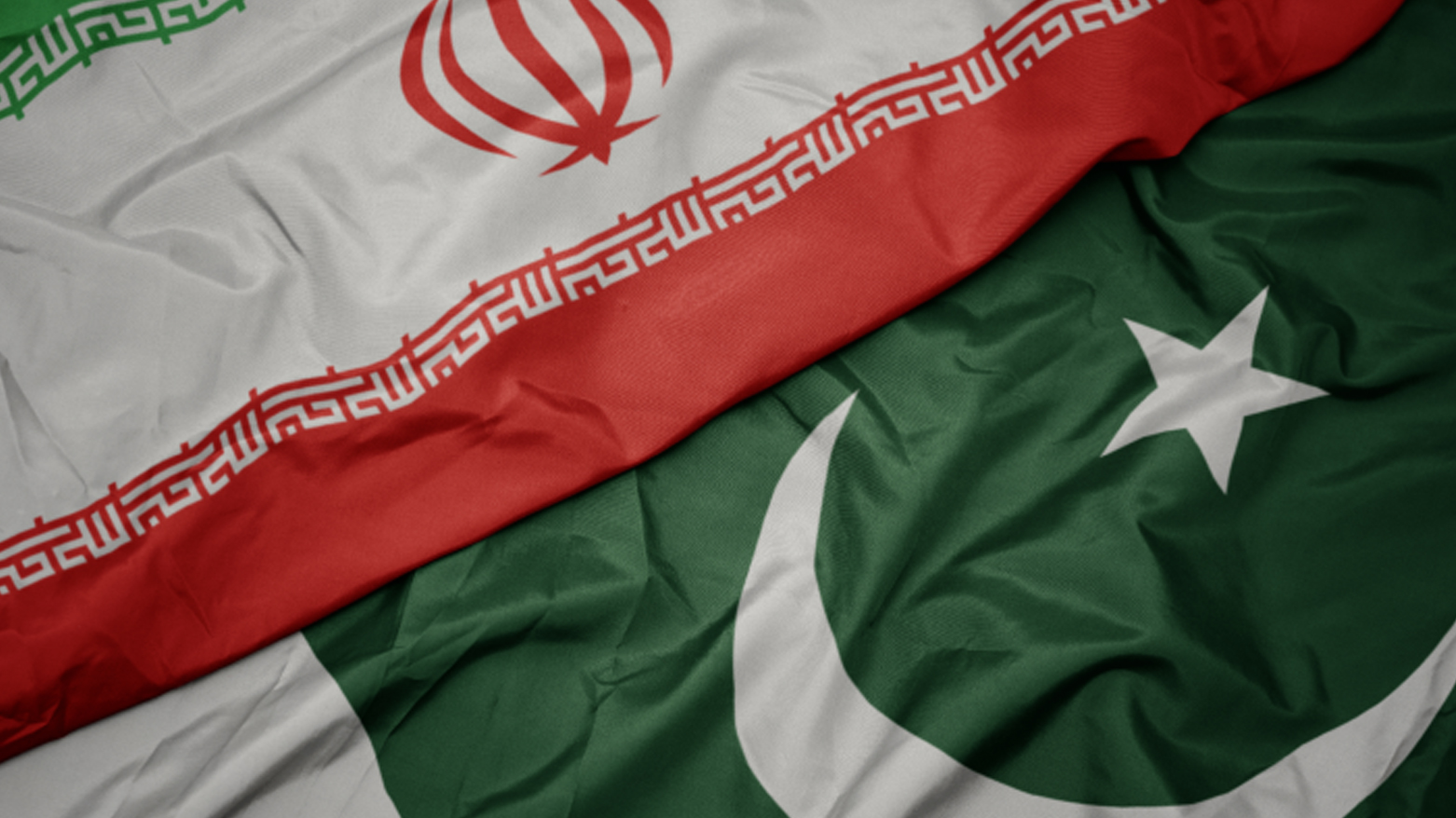
ERBIL (Kurdistan24) - As Israeli warplanes pounded more than 200 military targets across Iran and Lebanon on Saturday, Pakistan and Iran moved in the opposite direction — reaffirming their commitment to dialogue and diplomatic coordination in the face of a regional crisis that shows no sign of abating.
Pakistan's Ministry of Foreign Affairs announced that Foreign Minister Ishaq Dar held a telephone call with his Iranian counterpart, Abbas Araghchi, at a moment when the region is passing through an extremely sensitive period due to the war against Iran and the new threats emanating from the United States.
The two ministers exchanged views on the rapidly evolving developments across the region.
During the call, Dar reaffirmed Pakistan's position, stating that his country supports all efforts aimed at de-escalating tensions. He stressed that all disputes must be resolved through diplomacy and dialogue — a clear signal of Islamabad's rejection of military options and further escalation.
He also underlined the importance of reaching a peaceful resolution to preserve regional stability. Both ministers agreed to remain in close and continuous contact to monitor unfolding developments.
Israel strikes over 200 targets across Iran and Lebanon
While Pakistan and Iran were exchanging calls for calm, Israel's military was carrying out one of its most expansive operations of the war.
The Israel Defense Forces announced on Saturday, that its air force, in coordination with military intelligence, had struck more than 200 military positions across Iran and Lebanon at the end of the week.
Inside Iran, the strikes targeted dozens of positions, focusing particularly on Islamic Revolutionary Guard Corps installations, ballistic missile development and storage facilities, and Iranian air defense systems.
On the Lebanese front, the Israeli military disclosed that more than 140 Hezbollah positions had been struck. Those targets included training and exercise bases, weapons storage facilities, command headquarters and institutions affiliated with the Radwan Force in Beirut and other areas, as well as missile and drone launch sites.
Alongside the airstrikes, the Israeli military confirmed the continuation of its ground operations in southern Lebanon.
The army stated that dozens of Hezbollah fighters had been killed in the fighting, and that Israeli forces had seized large quantities of weapons and ammunition, including light weapons, anti-tank weapons, and grenades, along with the discovery of several tunnels and military bunkers.
Israeli artillery also fired hundreds of shells at locations suspected of being used for drone launches.
The sweeping military escalation came as the international community issued sharp warnings about the risk of the situation exploding further and the widening of the war's reach across the region.