Iran Denies Sending Delegation to Pakistan as Ceasefire Faces Pressure
Iran denies sending a delegation to Islamabad, tying any talks with the U.S. to a Lebanon ceasefire and halted Israeli strikes, as tensions rise over Hormuz, fragile diplomacy, and competing regional demands.
ERBIL (Kurdistan24) - Iran denied that any negotiating delegation had traveled to Islamabad for talks with the United States, even as President Donald Trump on Friday accused Tehran of restricting oil flows through the Strait of Hormuz and warned against imposing fees on tankers, while Israeli Prime Minister Benjamin Netanyahu said direct negotiations with Lebanon would begin “as soon as possible,” according to Israeli media reports, and international agencies reported that preparations for U.S.-Iran talks in Pakistan were proceeding amid disputes over Lebanon, maritime access, and the scope of a fragile ceasefire.
Iran Denies Presence in Islamabad, Conditions Talks
Tasnim News Agency, which is close to Iran’s Revolutionary Guard, reported on Friday, April 10, 2026, citing an informed source, that no Iranian negotiating delegation had traveled to Islamabad for discussions with the American side.
The source said Iran would not enter negotiations “under any circumstances” unless the United States adhered to its commitments, a ceasefire was implemented in Lebanon, and Israeli attacks ceased.
The denial came one day before a first round of talks was scheduled to begin in Islamabad on Saturday, under Pakistani mediation.
Pakistani Foreign Minister Ishaq Dar said his country had made preparations to host the talks and welcomed international delegations.
He also requested that airlines allow journalists and officials to travel without visas, noting they would receive visas upon arrival at Islamabad airport.
The statements highlighted uncertainty surrounding the diplomatic track despite formal scheduling. While Pakistan continued logistical preparations, Iran’s position underscored that negotiations remained conditional and tied to developments beyond the bilateral U.S.-Iran framework, particularly the situation in Lebanon.

Trump Statements Add Pressure on Maritime Access
President Trump’s comments on Friday added to tensions surrounding the ceasefire and maritime activity.
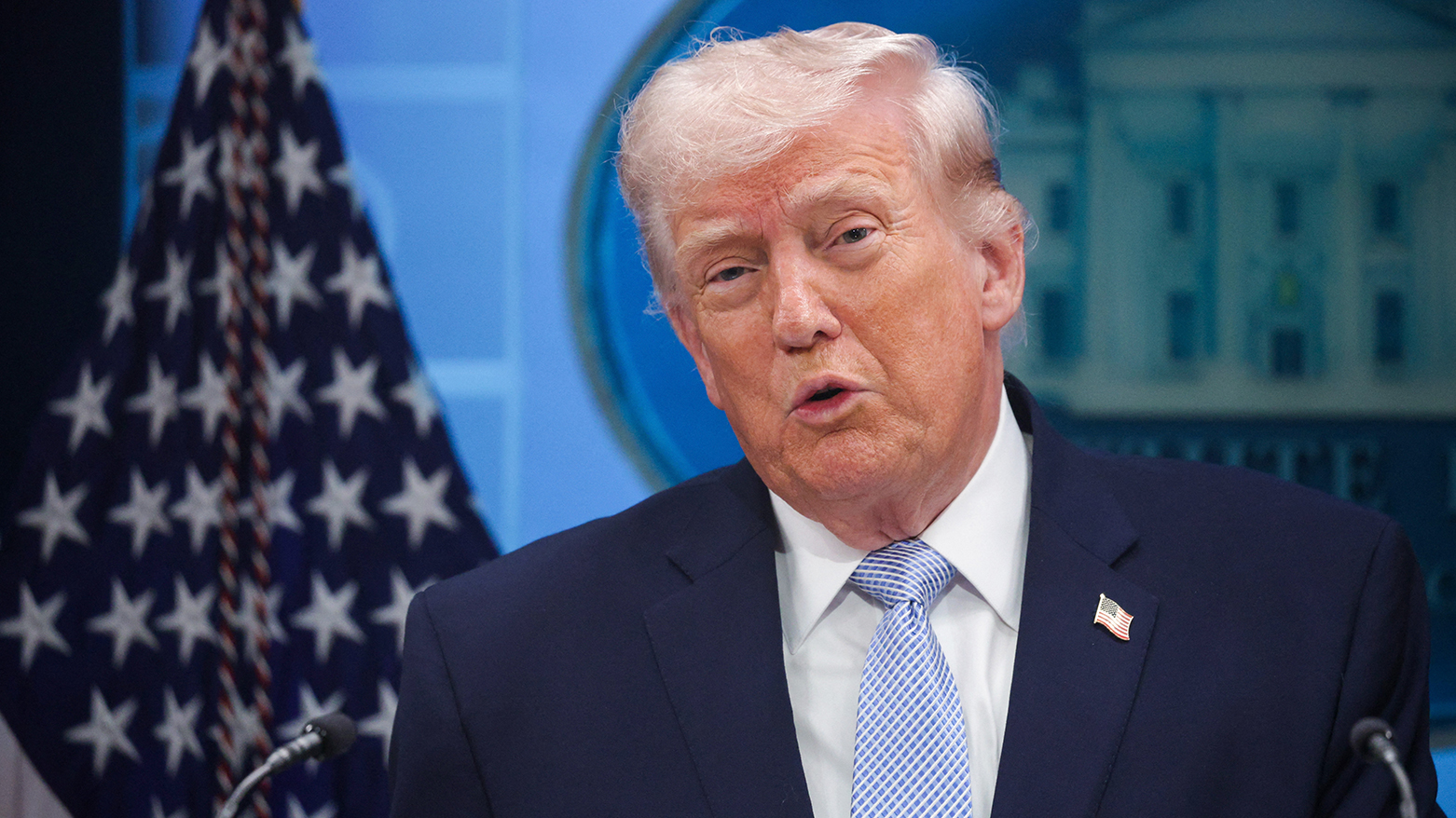
Writing on Truth Social, he said Iran was doing a “very poor job” of allowing oil shipments through the Strait of Hormuz, adding, “That is not the agreement we have.”
In a separate post, Trump rejected criticism of his handling of the situation and stated that “IRAN WILL NEVER HAVE A NUCLEAR WEAPON,” while asserting that oil flows would resume “very quickly,” with or without Iran’s cooperation.
He also warned that reports of Iran charging fees to tankers “better not be” accurate and said such practices should stop immediately.
According to the Associated Press, Trump also confirmed he had asked Netanyahu to scale back Israeli strikes in Lebanon in order to preserve the ceasefire framework with Iran.
The agency reported that the request reflected U.S. concerns that continued military escalation could undermine negotiations scheduled in Pakistan.
Israel Signals Lebanon Talks While Rejecting Ceasefire
Israeli media reported that Netanyahu had authorized direct negotiations with Lebanon “as soon as possible,” with a stated focus on disarming Hezbollah and establishing relations between the two countries.
The announcement followed a large wave of Israeli airstrikes on Lebanon, described as among the most intense since the current escalation began.
Netanyahu said there was “no ceasefire in Lebanon,” and emphasized that Israeli forces would continue operations against Hezbollah. He stated that military action would persist until security conditions in northern Israel were restored.
Israeli officials said talks would proceed without a prior cessation of hostilities, a position that diverges from Lebanese demands. The reports indicated that negotiations could begin in Washington in the coming days, with U.S. mediation.
Lebanese Position Emphasizes Ceasefire First
Lebanese officials have continued to call for a ceasefire as a prerequisite for negotiations. A senior Lebanese official told Reuters that Beirut had advocated for a temporary halt in hostilities to enable broader talks with Israel.
Lebanese President Joseph Aoun said the only viable solution was a ceasefire leading to direct negotiations. Prime Minister Nawaf Salam announced measures to reinforce state authority over Beirut, including restricting weapons to official institutions.
Hezbollah representatives rejected the prospect of direct negotiations with Israel. A lawmaker from the group said its position remained tied to Israeli withdrawal, cessation of hostilities, and the return of displaced residents.
Lebanon also sought clarification from Pakistan on whether the U.S.-Iran ceasefire extended to its territory. Iran and Pakistan have indicated that Lebanon was included, while Israel and the United States have maintained that it was not.

U.S.-Iran Talks Proceed Amid Uncertainty
The Associated Press reported that negotiators from Iran and the United States were preparing for talks in Islamabad despite ongoing disagreements.
The report said Iran had not publicly confirmed its delegation and was using its position to pressure Washington over Israeli actions in Lebanon.
U.S. Vice President JD Vance was expected to lead the American delegation.
The timing and structure of the talks reflected a broader effort to stabilize a ceasefire that remains contested on multiple fronts.
The agency noted that parallel diplomatic efforts were underway, including planned talks between Israeli and Lebanese officials in Washington.
These negotiations were expected to involve senior diplomats from the United States, Israel, and Lebanon, although final participation details remained unclear.

China’s Role Highlighted in Ceasefire Mediation
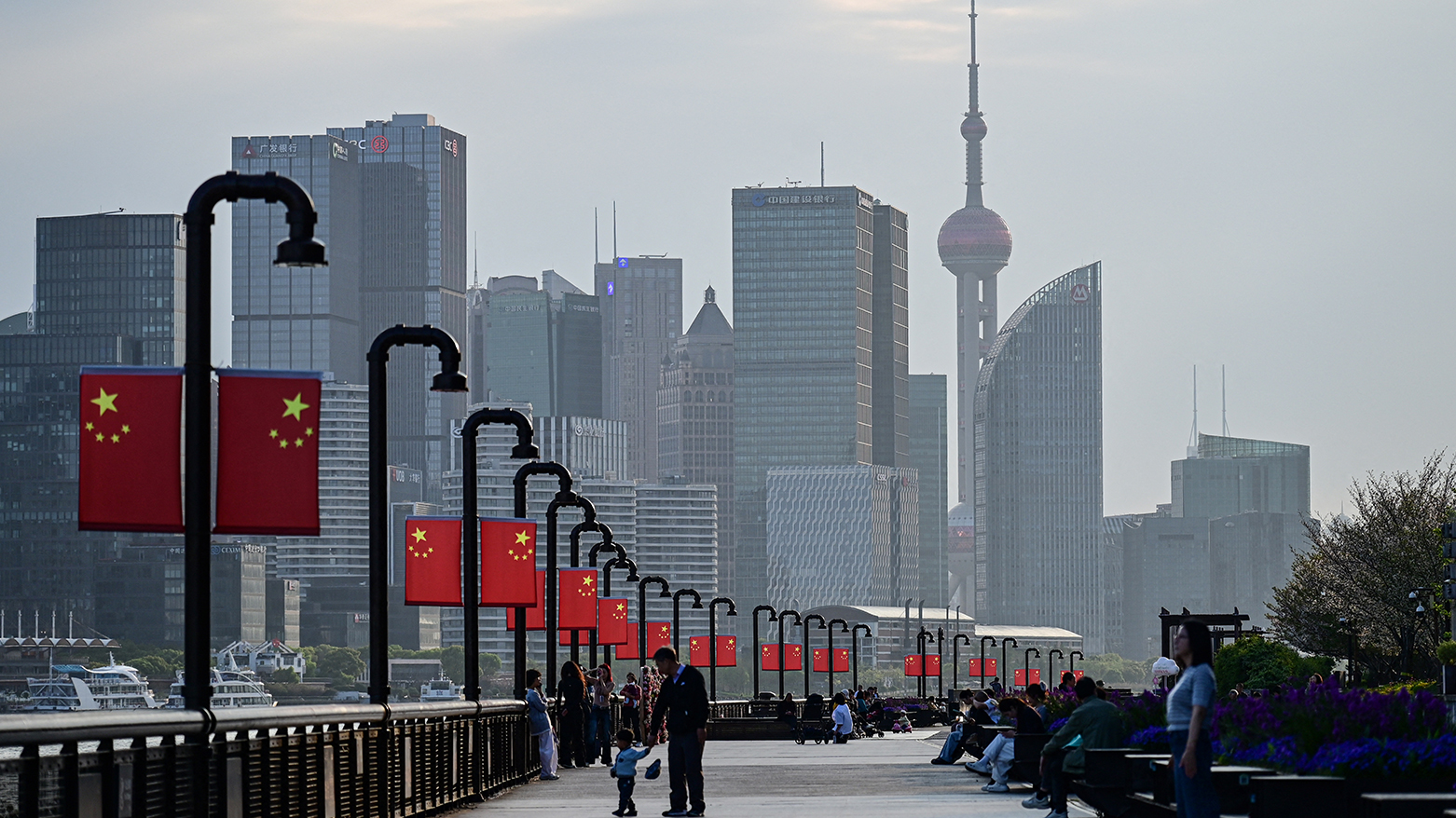
Agence France-Presse reported that China played a key role in securing the preliminary ceasefire agreement. A senior Pakistani official said Beijing intervened at a critical stage when negotiations were close to collapse and persuaded Iran to accept initial terms.
Pakistani officials said their mediation efforts were central but required additional support to achieve a breakthrough. China’s involvement was described as decisive in finalizing the ceasefire arrangement.
AFP reported that China had been proposed as a potential guarantor for a long-term agreement. A diplomatic source said Iran favored China in this role, while Russia was seen as less acceptable to Western countries.
Chinese officials have maintained a low public profile but were said to have conducted extensive diplomatic engagement, including multiple calls and regional visits. Analysts cited by AFP said China’s continued involvement could be critical to any sustained agreement.
Strait of Hormuz Remains Central Flashpoint
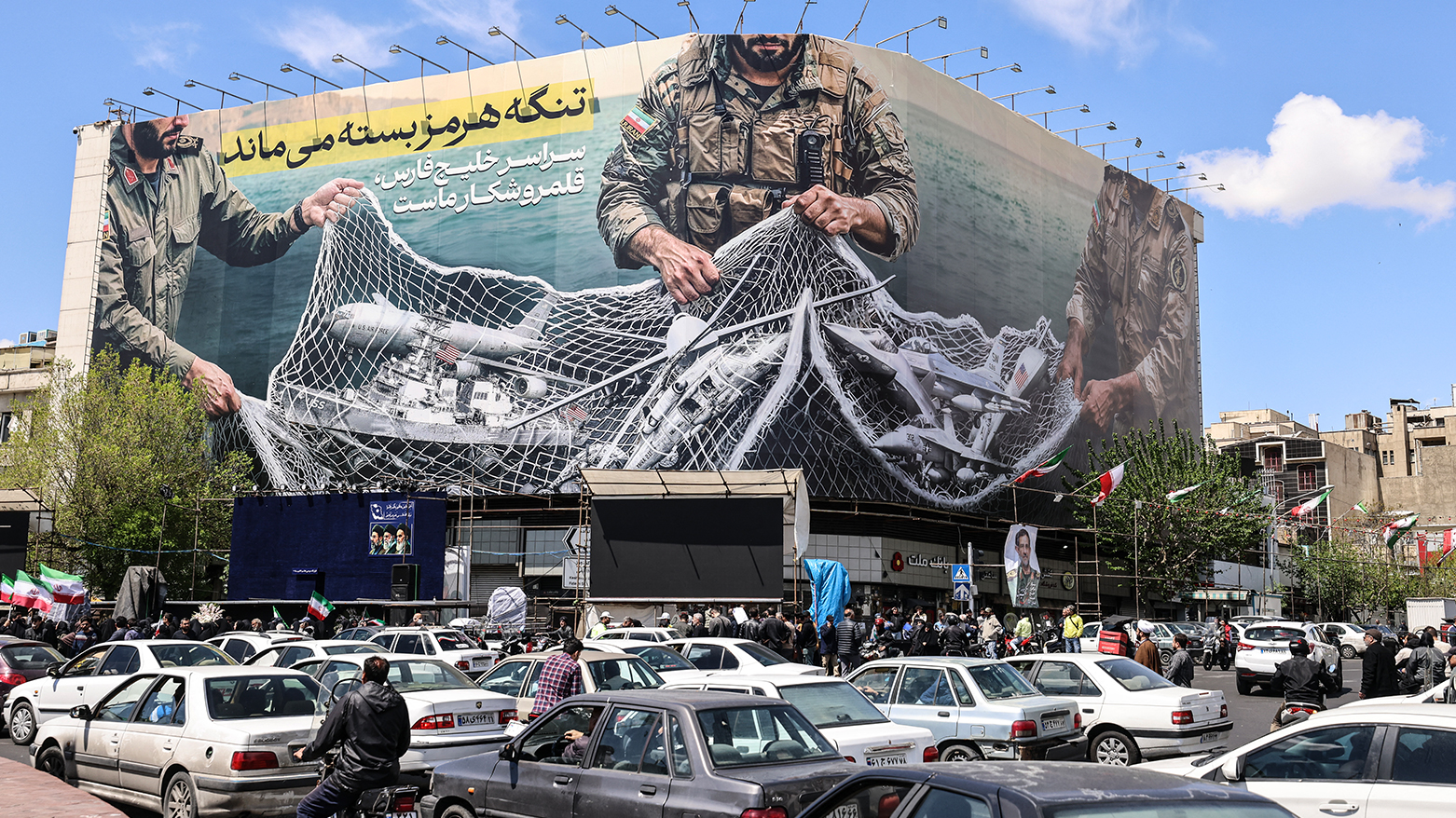
The Strait of Hormuz continued to serve as a focal point of tension. The Associated Press reported that uncertainty persisted over Iran’s control of the waterway, which has seen restricted traffic since the conflict began.
Ship-tracking data cited by the agency showed limited vessel movement through the strait, with some ships altering course under instructions linked to Iranian authorities.
Reports from Iranian media suggested that mines may have been deployed in the area, although no independent confirmation was provided.
The agency said at least 12 vessels had passed through the strait since the ceasefire announcement. However, traffic remained well below normal levels. Saudi Arabia reported damage to a key oil pipeline, adding to concerns about regional energy infrastructure.
The strait is a critical route for global energy supplies, and disruptions have had immediate effects on oil markets and shipping patterns.
Markets React to Ceasefire and Ongoing Risks
Economic data released Friday showed mixed market reactions. Stock markets in Asia rose, with gains in Tokyo and Seoul driven by cautious optimism over the ceasefire and upcoming talks.
At the same time, oil prices continued to increase.
Brent crude rose by 0.6 percent and West Texas Intermediate by 0.8 percent, with prices hovering around $100 per barrel. Analysts attributed sustained price levels to uncertainty over the Strait of Hormuz and continued military activity in Lebanon.
Japan announced plans to release 20 days’ worth of oil reserves beginning in May to stabilize supply. The European Union called for unrestricted maritime access through the strait and emphasized that international law prohibits the imposition of transit fees.
The International Monetary Fund warned that the conflict would reduce global growth forecasts. Managing Director Kristalina Georgieva said supply chain disruptions could affect 45 million people and that emergency financial assistance would be made available.

Broader Economic and Logistical Impact
The conflict’s effects extended beyond energy markets. Air France said it would continue suspending flights to parts of the Middle East until May 3 due to security concerns.
European energy officials warned that gas storage preparations for winter must begin immediately to avoid shortages. Financial institutions announced support packages, including a 5 billion euro allocation by the European Bank for Reconstruction and Development to assist affected economies.
Shipping data showed that limited oil tanker movement had resumed, including a vessel transporting fuel from the United Arab Emirates to India. However, overall traffic remained constrained.
These developments indicated that while financial markets showed some optimism, logistical disruptions continued to affect global trade and transportation systems.
Diplomatic Path Remains Uncertain
Despite ongoing preparations for talks in Islamabad, multiple unresolved issues continued to complicate the diplomatic process. Iran’s conditions, Israel’s continued operations in Lebanon, and disagreements over the scope of the ceasefire all pointed to a fragile framework.
The Associated Press reported that U.S. officials were attempting to balance pressure on both Iran and Israel to maintain momentum toward negotiations. AFP said that significant differences remained and that any agreement would require concessions from all parties.
Pakistan’s role as host and mediator remained central, with officials emphasizing readiness to facilitate dialogue. China’s involvement added another dimension, with expectations that it could influence the trajectory of negotiations.
The convergence of military, diplomatic, and economic factors underscored the complexity of the situation as talks approached.
The first round of Iran-U.S. negotiations remains scheduled for April 11 in Islamabad.