US-Iran Talks Continue in Pakistan as Tehran Accuses Washington of “Excessive Demands” Over Strait of Hormuz
Two rounds of discussions have already taken place in Islamabad, with another session likely to be held later Saturday or on Sunday, according to Iran’s state broadcaster
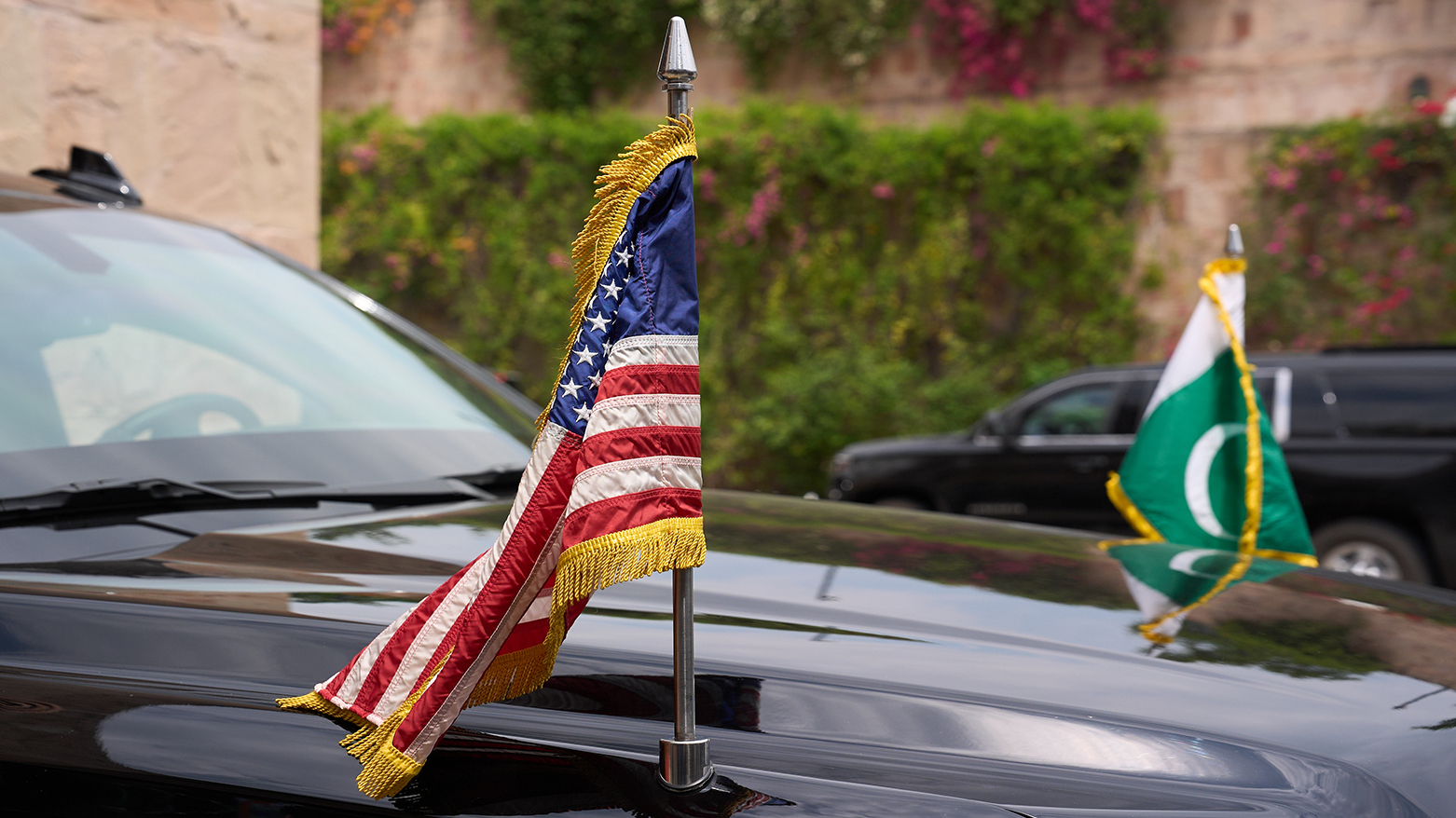
ERBIL (Kurdistan24) — Senior officials from the United States and Iran held direct talks in Pakistan on Saturday, with a third round of negotiations expected as efforts intensify to end a conflict that has shaken the Middle East and disrupted global energy markets.
According to Iran’s state broadcaster, two rounds of discussions have already taken place in Islamabad, with another session likely to be held later Saturday or on Sunday.
Iranian media outlets, including Tasnim News Agency and Fars News Agency, reported that the issue remains a major sticking point, accusing Washington of making “excessive” and “unacceptable” demands regarding the waterway.
A source close to the Iranian negotiating team indicated that preparations were underway, although uncertainty remains over whether the next round will proceed as planned.
A senior White House official confirmed that the talks are ongoing and described them as high-level, in-person trilateral negotiations involving the United States, Iran, and Pakistan.
The format marks a notable shift from previous engagements, where the two sides communicated indirectly through mediators while remaining in separate rooms.
Key disagreements persist, particularly over the Strait of Hormuz, a vital oil corridor through which a significant share of the world’s crude oil and liquefied natural gas passes.
The diplomatic push comes amid escalating tensions at sea. The United States military, through United States Central Command, announced that two guided-missile destroyers — the USS Frank E. Peterson and the USS Michael Murphy — had transited the Strait of Hormuz to begin clearing naval mines allegedly laid by Iran.
Officials said additional forces, including underwater drones, could be deployed in the coming days to secure the shipping lane.
Tehran swiftly rejected the claim. Military spokesperson Ebrahim Zolfaghari told state television that Iran had not authorized any such passage and insisted that control over maritime transit in the strait rests solely with the Iranian armed forces.
Earlier, U.S. President Donald Trump said Washington had begun “clearing out” the Strait of Hormuz, describing the effort as a “favor” to major economies reliant on energy shipments, including China, Japan, and France.
He also claimed that Iran was “losing big” in the conflict, while acknowledging that naval mines continue to pose a risk to shipping.
The strategic waterway has been largely blocked since the United States and Israel launched strikes on Iran on February 28, severely disrupting maritime traffic.
Reopening the strait was seen as a key condition of a fragile ceasefire announced earlier this week, though progress remains uncertain.
As negotiations continue in Islamabad, both sides face mounting pressure to reach an agreement that could restore stability to global energy flows and ease one of the most volatile confrontations in the region in recent years.