Trump Signals Naval Blockade Option After Iran Talks Stall
After 21 hours of talks in Islamabad ended without agreement, Washington is weighing pressure at sea. A floated naval blockade—targeting Iran’s oil lifeline through Hormuz—underscores how diplomacy, still unresolved, now unfolds under the shadow of force.
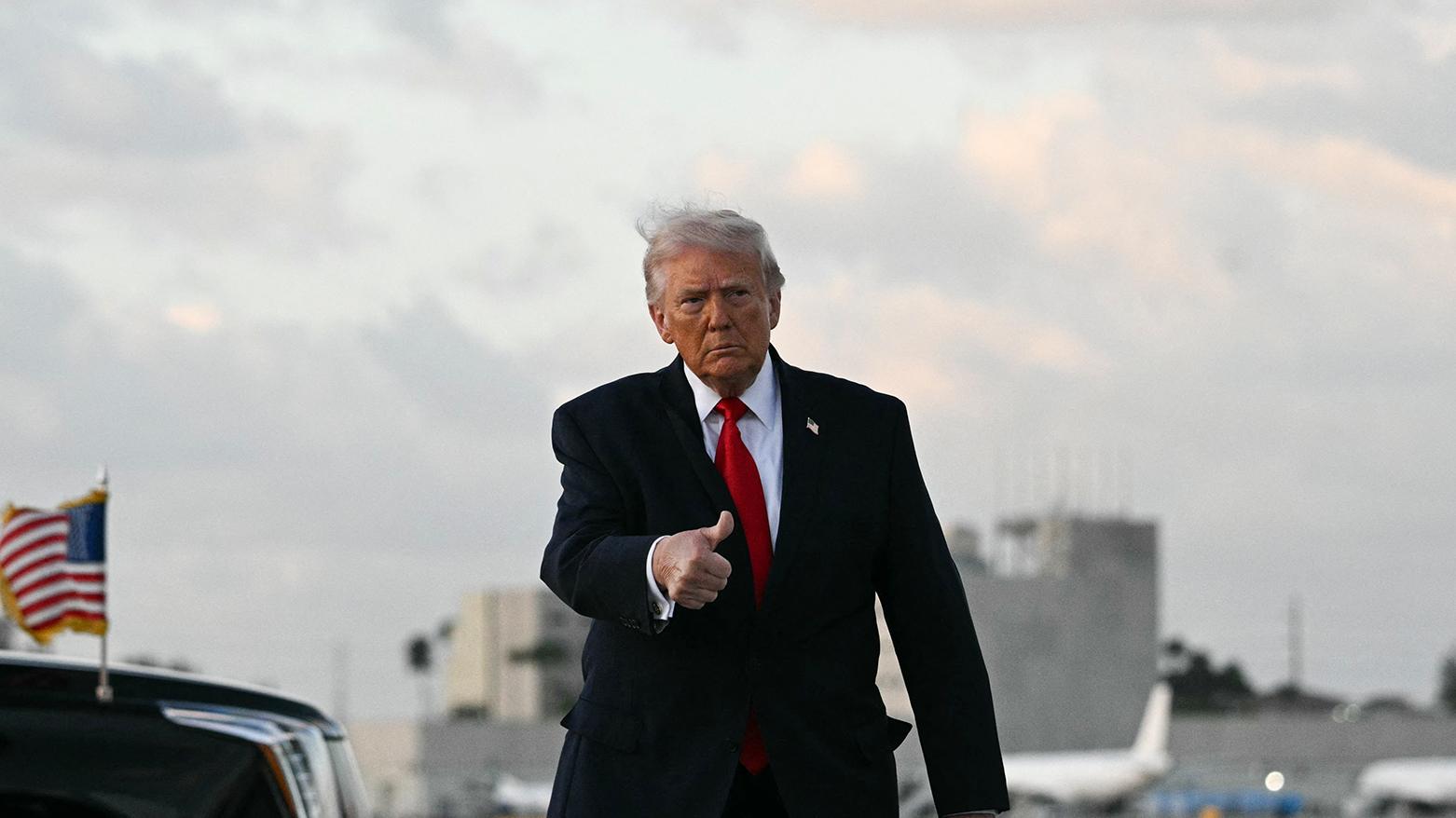
ERBIL (Kurdistan24) - U.S. President Donald Trump on Sunday shared a report outlining a potential naval blockade of Iran, signaling a possible course of action after high-level negotiations in Pakistan ended without agreement, as U.S. officials said Tehran had yet to accept Washington’s “final and best offer.”
The post, published on Trump’s Truth Social account, linked to an article by Just the News that described a naval blockade as a strategic option if Iran refuses U.S. terms. The development followed the conclusion of 21 hours of negotiations in Islamabad, where U.S. Vice President JD Vance said no agreement had been reached.
According to the Just the News report, a naval blockade could target Iran’s oil exports by controlling maritime traffic through the Strait of Hormuz, a critical chokepoint for global energy supplies. The article said U.S. naval forces could monitor and regulate shipping movements, including vessels passing near Kharg Island, Iran’s main oil export terminal, citing national security experts.
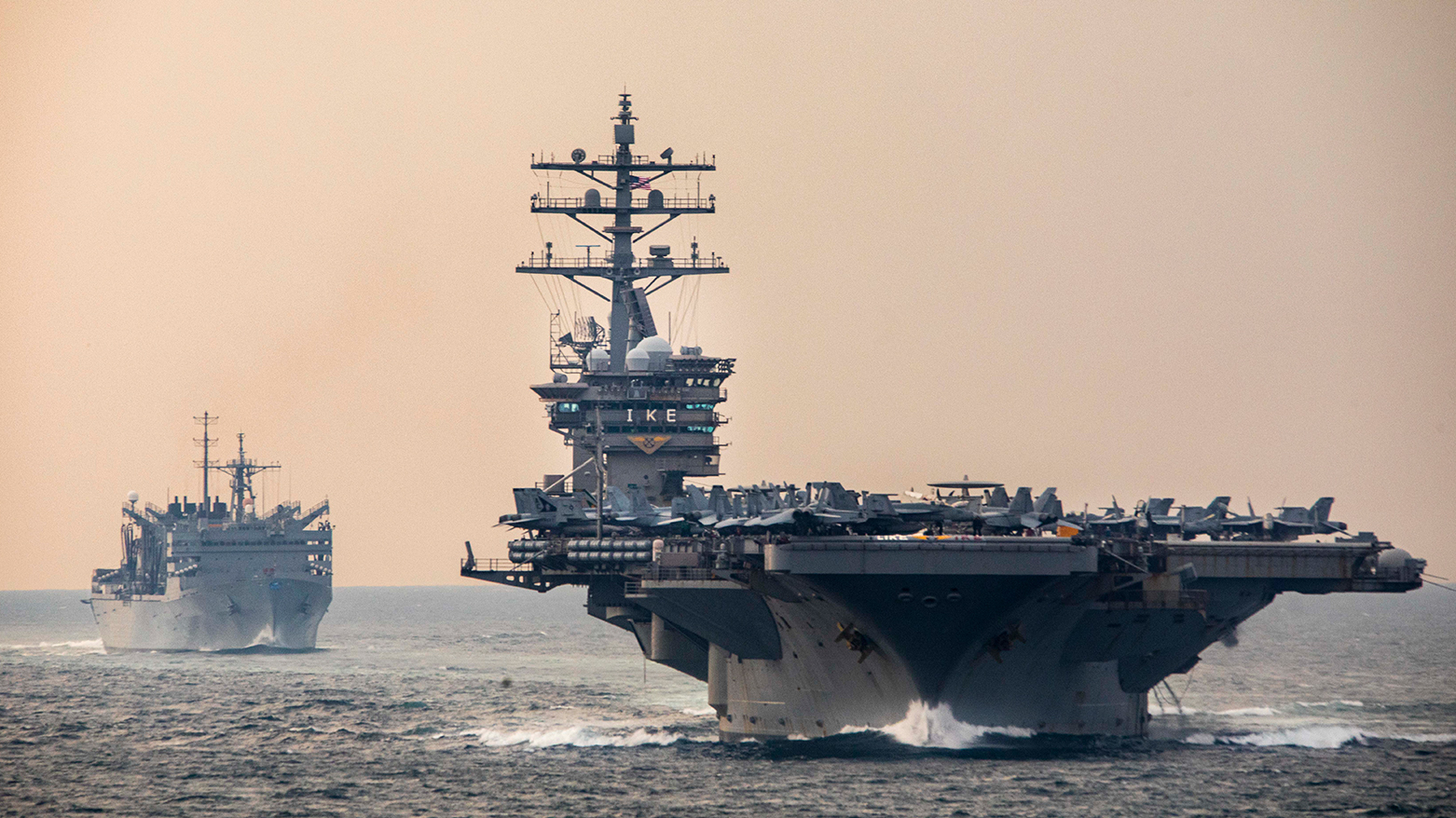
The report further noted that U.S. naval assets, including the USS Gerald Ford and USS Abraham Lincoln, are currently deployed in the region, positioning the United States to enforce maritime restrictions if directed. It cited analysis suggesting that American forces could exert control over traffic in the strait, which handles a significant portion of global oil shipments.
Vice President Vance, speaking to reporters before departing Islamabad, said the United States had presented Iran with what he described as a final proposal. “We leave here with a very simple proposal… our final and best offer. We will see if the Iranians accept it,” Vance said, according to remarks carried in coverage of the talks.
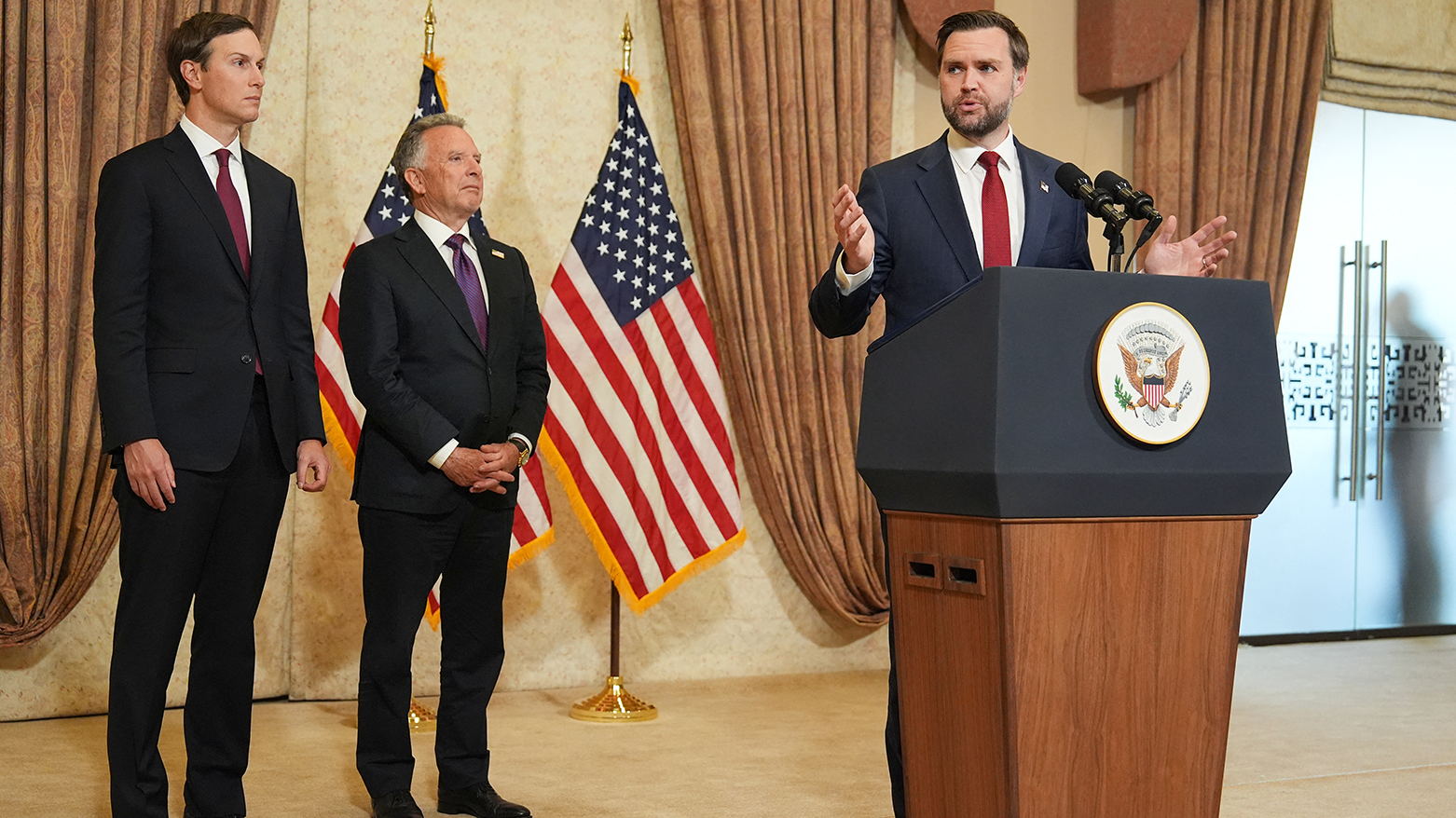
Vance added that Washington had not secured commitments from Tehran regarding its central demand that Iran abandon any pursuit of nuclear weapons. He said U.S. negotiators had engaged in discussions “in good faith” during the talks.
The negotiations, hosted by Pakistan, marked the highest-level direct engagement between the United States and Iran in decades but ended without a breakthrough. Iranian state media, as cited in multiple reports, said “excessive” U.S. demands had prevented an agreement.
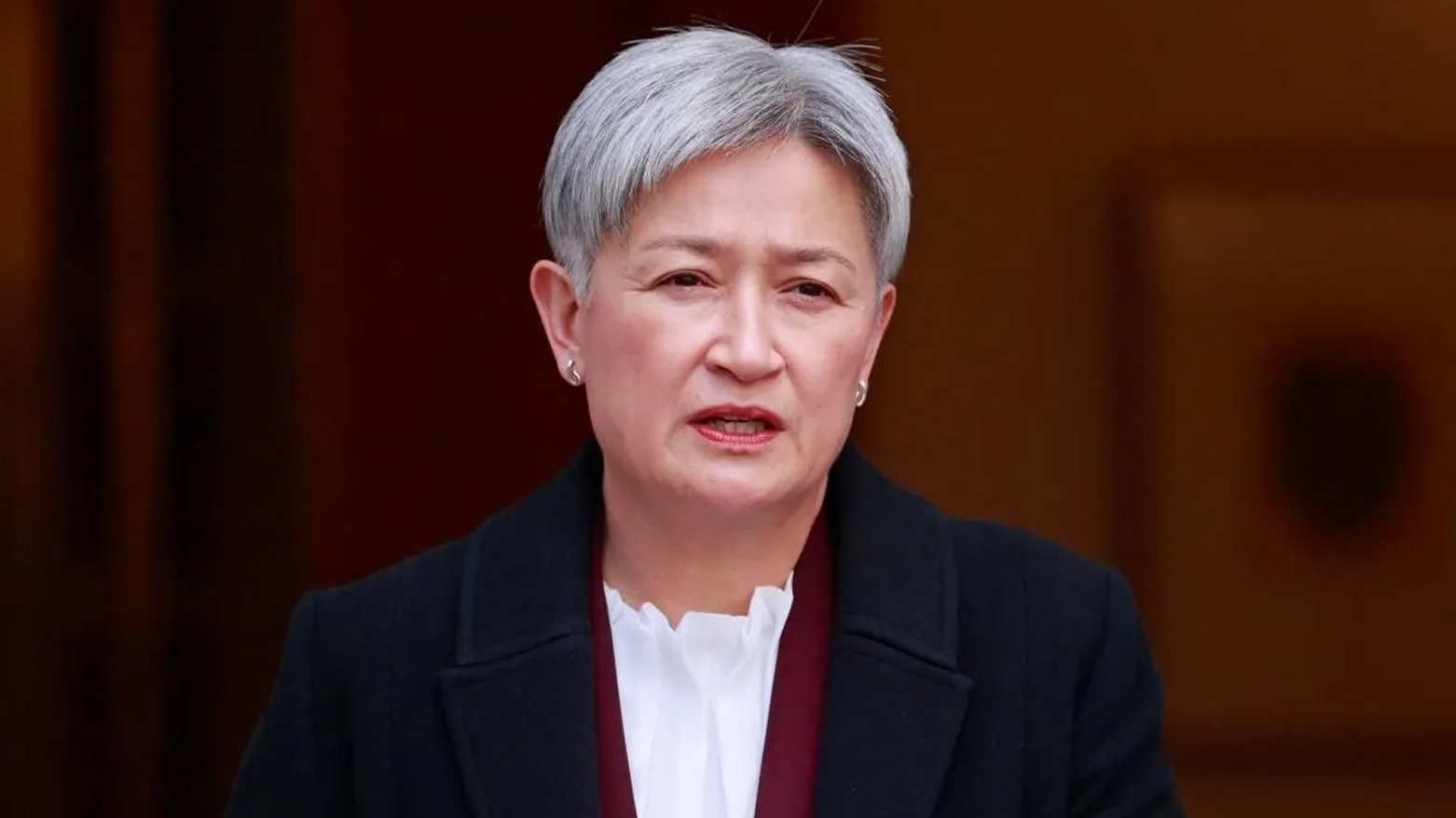
International reaction to the failed talks focused on the need to sustain the ceasefire and resume diplomacy. Australia’s Foreign Minister Penny Wong said it was “disappointing” that the talks did not result in a deal and urged both sides to return to negotiations. “The priority now must be to continue the ceasefire and return to negotiations,” Wong said, according to remarks reported by The Guardian.
Wong added that any escalation would impose greater human and economic costs, warning of broader impacts on global stability. The Guardian also reported that Australian officials expressed concern about the continued disruption to global trade linked to instability in the Strait of Hormuz.
The strategic waterway has remained central to the dispute. According to The New York Times, two U.S. Navy destroyers passed through the Strait of Hormuz on Saturday to begin mine-clearing operations intended to make the route safe for commercial shipping. The newspaper cited a statement from U.S. Central Command indicating that the ships entered the Persian Gulf to locate and remove naval mines.
The New York Times further reported that additional U.S. military resources, including underwater drones, are expected to join the operation in the coming days. The effort follows a temporary ceasefire agreement under which Iran agreed to reopen the waterway, although U.S. officials said progress has been slowed by the difficulty of locating mines.
Iranian officials disputed the U.S. account. According to Iranian state media cited by The New York Times, a military spokesman denied that American warships had entered the strait and said Iran retained control over the waterway. Semi-official outlets also reported that Tehran had not granted passage to U.S. vessels.
The Strait of Hormuz, through which roughly one-fifth of global oil supply passes, has been effectively disrupted for weeks, contributing to rising energy prices and broader economic uncertainty. The New York Times noted that the closure followed Iranian attacks on commercial vessels and the laying of naval mines in response to U.S. and Israeli military operations.
Additional economic concerns were highlighted by Australian officials. Treasurer Jim Chalmers said the effects of the conflict would continue to be felt even if the ceasefire holds, noting that supply disruptions and energy price pressures could persist, as reported by The Guardian.
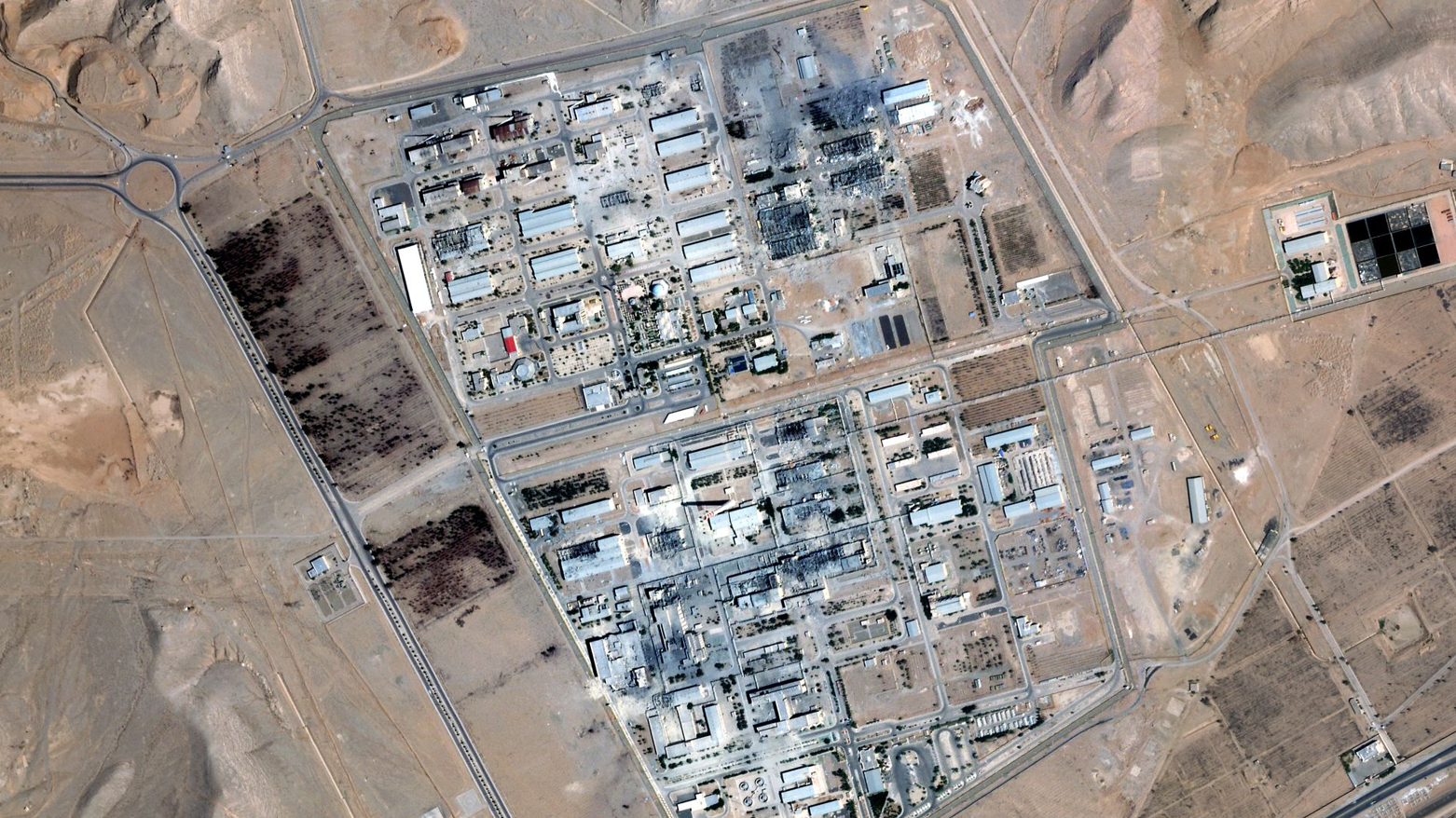
Developments related to Iran’s nuclear infrastructure have added further complexity to the situation. A report by the Institute for Science and International Security said satellite imagery from April 8 showed new defensive measures at the Isfahan Nuclear Complex, including makeshift roadblocks at tunnel entrances to an underground facility.
The report, authored by analysts including David Albright, said the roadblocks consist of earthen berms, rubble, and barriers designed to restrict access to the tunnels. It noted that all three tunnel portals remain backfilled with dirt and that no efforts to reopen them have been observed.
According to the Institute’s findings, the Isfahan underground complex is believed to store a substantial portion of Iran’s highly enriched uranium. The report cited International Atomic Energy Agency Director General Rafael Grossi as saying the site may contain at least half of Iran’s stockpile of uranium enriched to 60 percent.
The Institute for Science and International Security report further stated that the defensive measures would complicate any ground operation aimed at accessing the facility, requiring additional time and equipment to clear the roadblocks and tunnel entrances.
The nuclear issue has remained central to the diplomatic impasse. Vance said the United States is seeking a “fundamental commitment” from Iran that it will not develop nuclear weapons, but acknowledged that such assurances were not secured during the Islamabad talks.
Iranian officials have rejected U.S. demands and questioned Washington’s approach. Iranian state media, cited in coverage of the negotiations, said disagreements over nuclear restrictions and control of the Strait of Hormuz were key factors in the failure to reach a deal.
The broader conflict, which began after U.S. and Israeli strikes on Iran in late February, has escalated into a wider regional crisis. According to previous reporting on the talks, the conflict has involved retaliatory actions by Tehran and has affected global energy markets.
The Just the News article shared by Trump also referenced earlier proposals by retired U.S. General Jack Keane, who suggested that a naval blockade could be used to restrict Iran’s oil exports or control access to key infrastructure such as Kharg Island.
The report said such a strategy could provide leverage in negotiations by limiting Iran’s ability to generate revenue from oil exports. It also noted that controlling maritime traffic could increase pressure on countries that rely on Iranian oil shipments.
At the same time, the article indicated that alternative military options remain under consideration, including direct strikes, although no such actions have been announced by U.S. officials.
The administration has not formally confirmed plans for a blockade. However, Trump’s decision to highlight the report has drawn attention to the option as part of the broader set of responses under discussion following the failed negotiations.
Officials have emphasized that the United States is awaiting Iran’s response to the proposal presented in Islamabad. Vance indicated that Washington would allow time for Tehran to consider the offer, while maintaining its current diplomatic and military posture.
The situation remains unresolved, with continued military activity in the region, ongoing diplomatic efforts, and no agreement reached between the United States and Iran.