Vance Says “Ball Is in Iran’s Court” as Nuclear Dispute Stalls Talks, Maritime Tensions Rise
Fragile truce holds amid US blockade of Iranian ports and renewed diplomatic push involving global powers
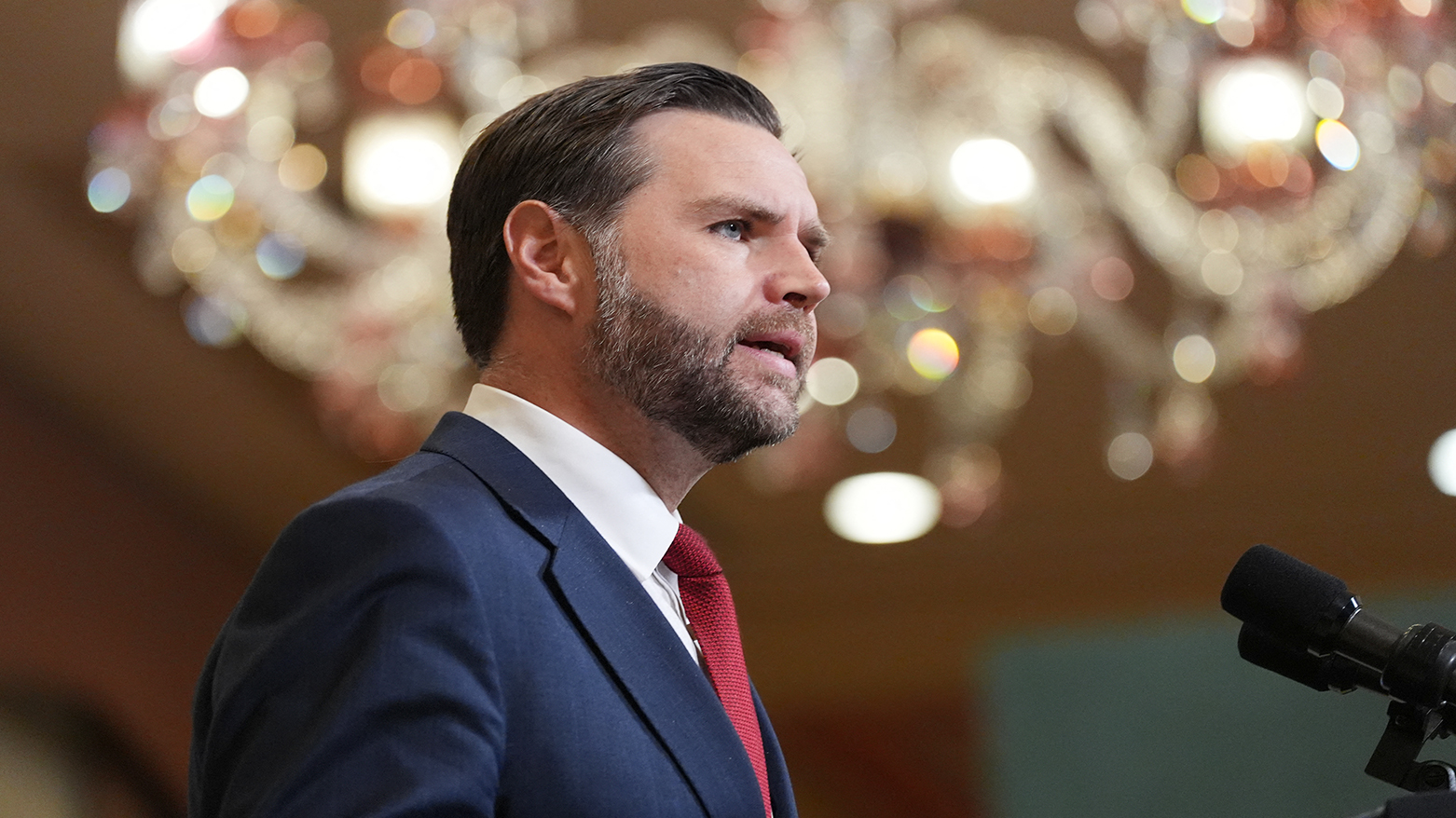
ERBIL (Kurdistan24) — U.S. Vice President JD Vance on Tuesday said the United States has laid out its “final and best offer” to Iran, stressing that the next move rests with Tehran as efforts intensify to revive stalled negotiations over its nuclear program and end the broader Middle East conflict.
In an interview with Fox News, Vance underscored Washington’s firm position that any agreement must include the removal of nuclear material from Iran and enforceable mechanisms to ensure the country does not develop a nuclear weapon.
“We made very clear what our red lines were,” he said, adding that while a “grand deal” remains possible, “the ball is in the Iranian court.”
Vance also revealed that US negotiators left recent talks in Pakistan after concluding that the Iranian delegation lacked the authority to finalize an agreement without approval from higher leadership in Tehran.
“We've made clear that we absolutely need to see the nuclear material come out of the country of Iran...the ball is in the Iranians' court because we put a lot on the table.” — VP Vance pic.twitter.com/s4Ki2HqL4U
— Vice President JD Vance (@VP) April 14, 2026
The remarks came after weekend negotiations in Islamabad failed to yield a breakthrough, prompting US officials to renew diplomatic efforts while maintaining pressure on Iran.
Vance departed the talks on Sunday, reiterating that Washington had presented its most comprehensive proposal.
US President Donald Trump claimed that Iranian representatives had since reached out, signaling interest in resuming talks. “They’d like to make a deal. Very badly,” Trump told reporters, though Tehran has publicly accused Washington of imposing excessive demands.
At the core of the dispute is Iran’s uranium enrichment program. The United States is reportedly seeking a 20-year suspension, while Iran has proposed a five-year halt—an offer rejected by US officials.
Washington has also insisted on maintaining control over Iran’s enriched uranium stockpiles and implementing strict verification mechanisms.
Iranian Foreign Minister Abbas Araghchi blamed the impasse on what he described as “continued excessive demands” from the American side, reiterating that Tehran would only negotiate within the framework of international law.
Despite the diplomatic deadlock, a fragile two-week truce agreed last week remains in effect, raising cautious optimism that a broader ceasefire could still be achieved.
However, tensions have escalated sharply in the Gulf. The United States has launched a naval blockade targeting Iranian ports, a move Tehran has condemned as a “grave violation” of sovereignty and an act of piracy.
The blockade comes as Iran continues to restrict access through the Strait of Hormuz, a critical chokepoint through which roughly one-fifth of global oil supplies pass.
The standoff has heightened international concern over freedom of navigation, even as global markets have shown resilience, with oil prices declining and Asian equities rising.
Regional and global actors have stepped up diplomatic engagement. Russian Foreign Minister Sergei Lavrov arrived in Beijing following consultations with Iranian officials, while Moscow has suggested storing Iran’s enriched uranium as part of a potential agreement.
Meanwhile, French President Emmanuel Macron announced plans for a joint initiative with Britain to establish a “strictly defensive” multinational mission to secure maritime routes in the Gulf once conditions allow.
Qatar has also urged both sides to avoid using key shipping lanes as leverage, warning of broader economic and security consequences.
As negotiations remain uncertain, the convergence of diplomatic pressure, military posturing, and economic stakes underscores the high-risk nature of the crisis, with the outcome now hinging on whether Tehran chooses to re-engage under Washington’s terms.