Trump Signals Possible Second Round of Iran Talks in Pakistan Within Days
“You should stay there, really, because something could be happening over the next two days, and we’re more inclined to go there,” Trump was quoted as saying to a reporter in Islamabad.
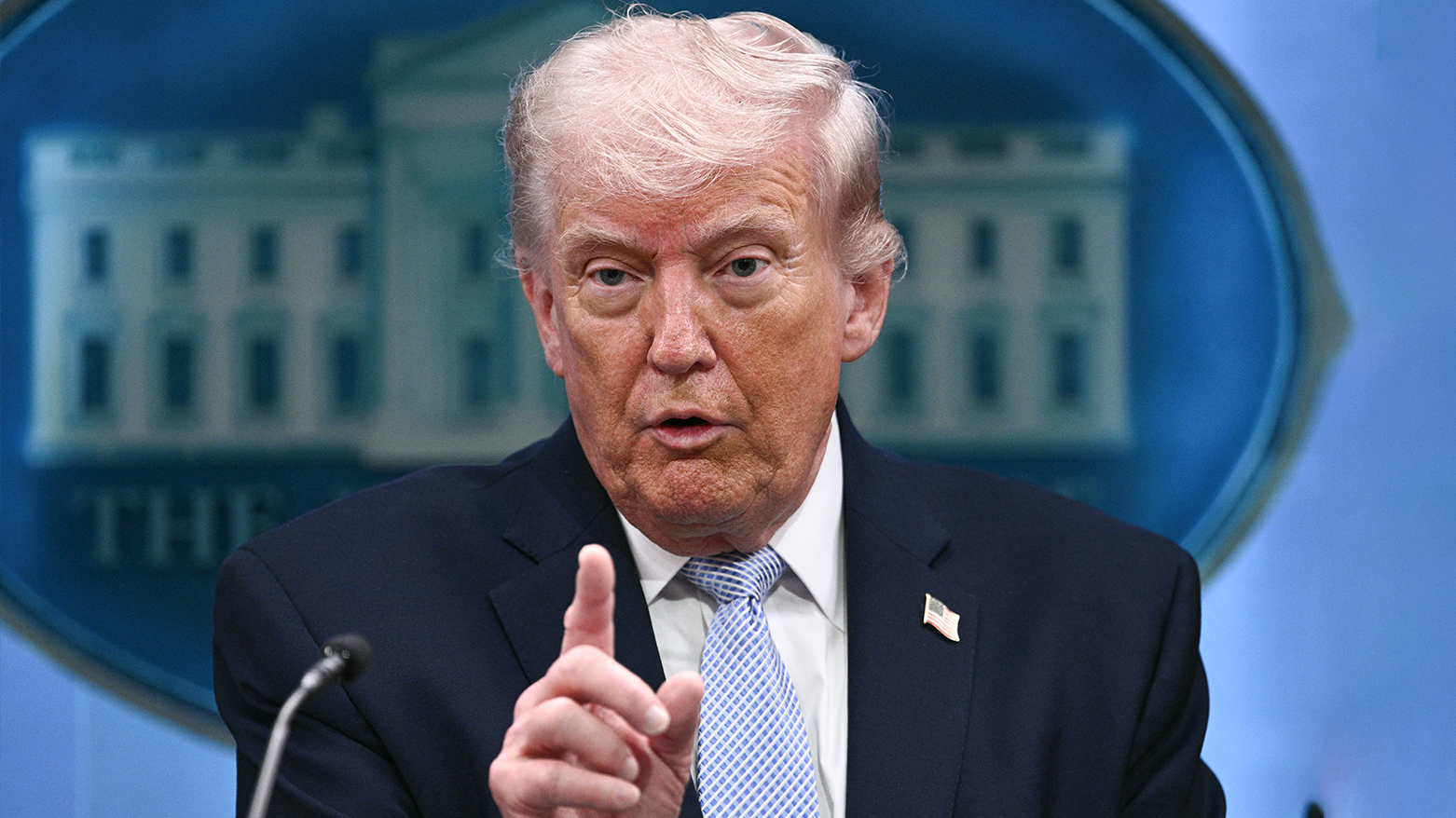
ERBIL (Kurdistan24) — U.S. President Donald Trump said Tuesday that a second round of talks with Iran could take place in Islamabad “over the next two days,” following an initial round of negotiations that ended without agreement over the weekend.
In a phone interview with the New York Post, Trump indicated growing openness to returning to Pakistan for continued diplomacy, despite earlier suggesting the talks might move elsewhere.
“You should stay there, really, because something could be happening over the next two days, and we’re more inclined to go there,” Trump was quoted as saying to a reporter in Islamabad. According to the newspaper, Trump later called back to emphasize it was “more likely” the talks would resume in the Pakistani capital, praising Pakistan’s army chief Asim Munir for “doing a great job.”
The remarks come after high-level negotiations between the United States and Iran stalled on Sunday following a marathon session in Islamabad. The talks were led by U.S. Vice President JD Vance and Iranian Foreign Minister Abbas Araghchi, but failed to produce a breakthrough.
Diplomatic efforts have reached a critical impasse as both sides weigh the possibility of resuming in-person discussions before a temporary two-week ceasefire expires next week.
In the wake of the failed talks, Trump ordered a naval blockade of Iranian ports starting Monday, a move aimed at increasing pressure on Tehran amid tensions over control of the Strait of Hormuz.
Global markets reacted sharply to the breakdown in negotiations, with oil prices briefly surging above $100 per barrel before easing slightly on renewed hopes for diplomacy. Meanwhile, Iran’s currency, the rial, has remained volatile against the U.S. dollar as the conflict enters its seventh week.