Bloomberg: U.S. And Iran Weigh Two-Week Ceasefire Extension Amid Rising Tensions
U.S. and Iran are discussing a two-week ceasefire extension amid mediation efforts, but no formal agreement exists, with tensions and uncertainty rising as the truce deadline approaches.
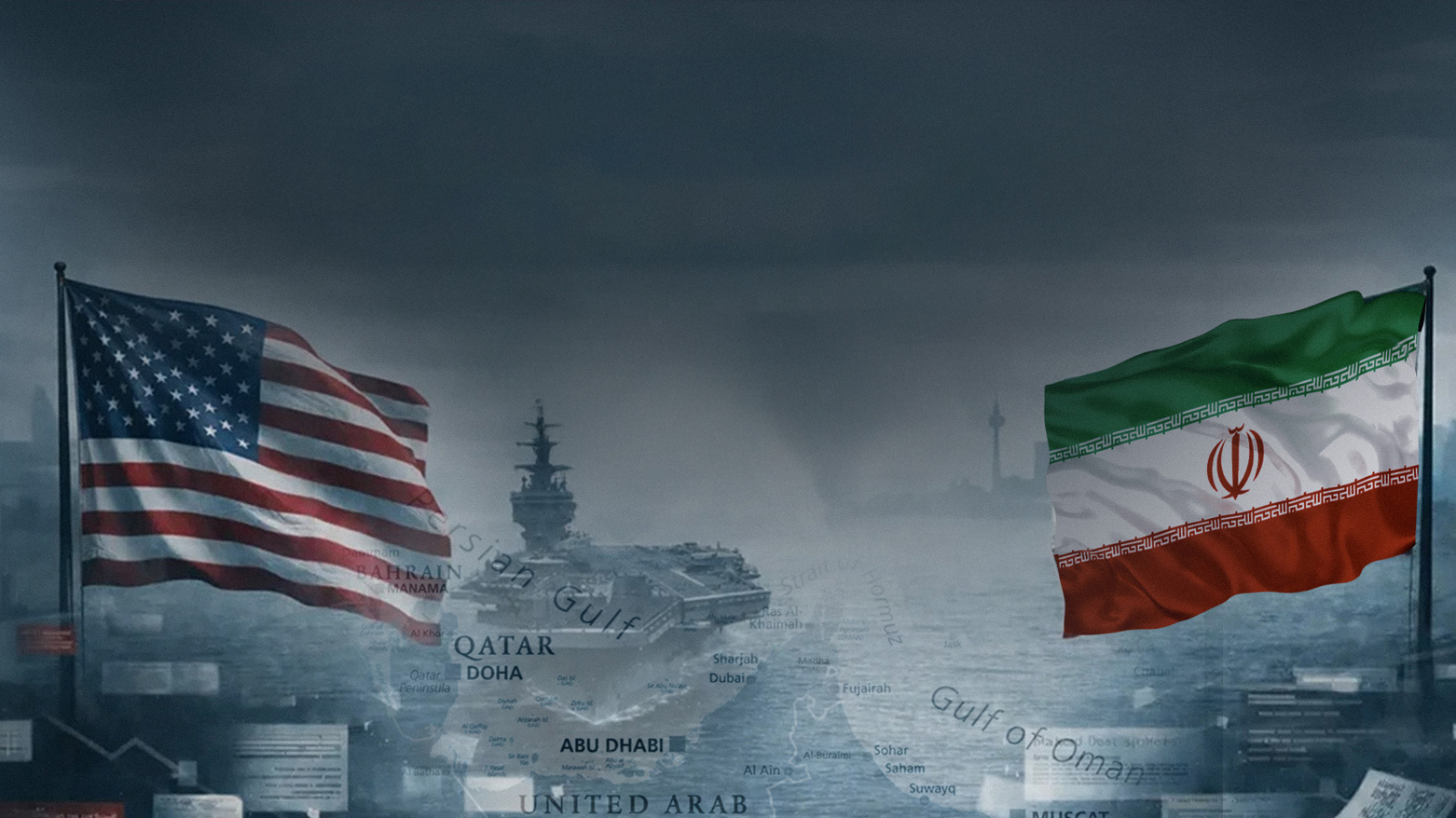
ERBIL (Kurdistan24) - The United States and Iran are actively discussing a proposal to extend their ceasefire by an additional two weeks, as urgent diplomatic efforts intensify to prevent a return to war and create space for a lasting agreement.
According to a report by Bloomberg published on Wednesday, Washington and Tehran—through regional mediation—are considering prolonging the truce, which is set to expire next Tuesday, until the first week of May.
The proposed extension is intended to provide negotiators with more time to reach a permanent peace deal.
Informed sources told Bloomberg that mediators are working to launch technical discussions on the most contentious issues, including the permanent reopening of the Strait of Hormuz and Iran’s uranium enrichment program.
Extending the ceasefire could open the door to a new round of negotiations between senior officials from both countries.
Despite signs of cautious optimism, Bloomberg emphasized that resolving the core disputes will be difficult. The United States and Israel are demanding the dismantling of Iran’s enriched uranium stockpiles, while Tehran continues to insist on its right to civilian nuclear enrichment. The coming days are expected to be decisive for the region’s future.
Trump signals war nearing end, uncertainty remains
In remarks to Fox Business, Donald Trump stated that the seven-week war is “coming to an end.” However, a U.S. official warned that there is still no guarantee the ceasefire will be extended, noting that Washington has not yet given formal approval.
The conflict, which began on February 28, 2026, with U.S. and Israeli strikes on Iran, has caused significant damage to Iran’s military and economic infrastructure. In response, Tehran’s retaliatory actions, including the closure of the Strait of Hormuz, drove up global energy prices and created major political pressure on the Trump administration.
Countries such as Pakistan, Egypt, and Türkiye are intensifying efforts to prevent a renewed conflict. A Pakistani delegation is currently in Tehran, working to bring both sides closer together.
The possibility of extending the ceasefire, along with Trump’s optimistic remarks, has contributed to relative stability in global markets. U.S. crude oil prices have stabilized at around $92 per barrel, after surging to $119 at the beginning of the war.
Earlier signals from Washington have added to the uncertainty. According to Axios, U.S. officials indicated there has been no formal decision to extend the ceasefire, even as tensions in the region remain at unprecedented levels and the risk of renewed war persists.
President Trump, in an interview with ABC News, said he is not considering extending the ceasefire with Tehran, adding that while the situation could end in different ways, reaching an agreement would be the best option for Iran, giving it a chance to rebuild.
A U.S. official cited by Axios said that, so far, Washington has not formally agreed to extend the truce, though communication channels remain open and discussions toward a broader agreement are ongoing.
These developments come after diplomatic efforts stalled following the collapse of a round of negotiations in Islamabad, leaving only a few days before the ceasefire deadline and raising fears of renewed escalation.
Analysts believe the firm stance from Washington reflects a strategy of “final pressure” on Tehran, aimed at forcing Iran to accept U.S. conditions before the truce expires.
As the deadline approaches, the fate of the ceasefire—and the broader stability of the region—hangs in the balance.