KDP Rejects Kirkuk Council Session as “Illegal” Amid Governor Change Dispute
“Today’s meeting of the Kirkuk Provincial Council and the issue of appointing a governor is an illegal process carried out outside the will of the people of Kirkuk,” said Shakhawan Abdullah
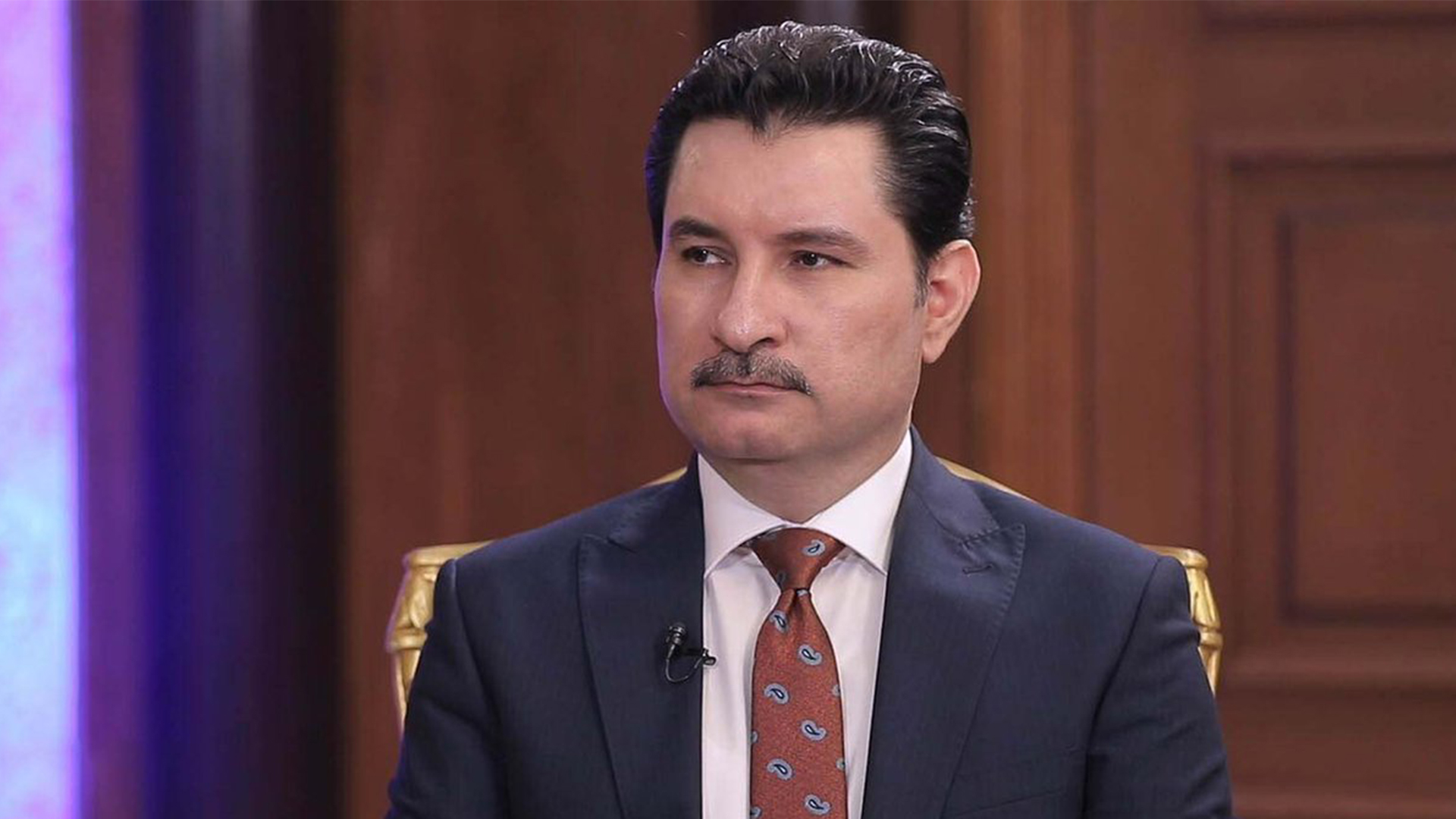
ERBIL (Kurdistan24) — The Kurdistan Democratic Party (KDP) on Thursday rejected a scheduled session of the Kirkuk Provincial Council to appoint a new governor, describing the process as “illegal” and imposed outside the will of the city’s residents.
In a statement, Shakhawan Abdullah, head of the KDP faction in the Council of Representatives of Iraq, said the meeting and the anticipated selection of a new governor lack legitimacy.
“Today’s meeting of the Kirkuk Provincial Council and the issue of appointing a governor is an illegal process carried out outside the will of the people of Kirkuk,” the statement read.
He stressed that the KDP “will not, under any circumstances, accept suspicious deals made in the Rashid Hotel,” in reference to alleged political agreements in Baghdad, warning that such arrangements run counter to the “higher interests of the people of Kirkuk.”
Abdullah added that the party rejects any agreement that falls outside legal frameworks and the mandate of Kirkuk voters, while emphasizing that the KDP supports the rights of all components in the province, including Turkmen, Arabs, and Christians.
He noted that representatives must serve all communities within a lawful and non-discriminatory framework.
The remarks come as the Kirkuk Provincial Council is set to convene on Thursday at noon to formalize a leadership change, with reports indicating that Governor Rebwar Taha would step down and be replaced by Mohammed Samman, a prominent Turkmen political figure and leader of the Iraqi Turkmen Front (ITF).
According to Kurdistan24 sources, the move is part of a broader political arrangement involving Bafel Talabani, leader of the Patriotic Union of Kurdistan (PUK), Mohammed al-Halbousi, leader of the Progress Party (Taqaddum), Qais al-Khazali, founder and secretary-general of Asa’ib Ahl al-Haq (AAH), and Rayan al-Kildani, leader of the Babylon Movement.
The agreement reportedly includes rotating the governorship, first granting the post to a Turkmen candidate for several months before transferring it to a Sunni Arab figure until the next provincial elections.
In exchange, additional security and administrative positions—including deputy governor roles, the Kirkuk police chief, and district administrators—are said to be allocated among the agreeing parties.
The deal is also linked to recent political bargaining in Baghdad over the Iraqi presidency, where alliances among key blocs have shaped both federal and local power-sharing arrangements.
The prospect of handing the governorship to a Turkmen candidate for the first time has sparked political backlash and public discontent, particularly among Kurdish factions who argue the process undermines electoral legitimacy and established norms of consensus in the multi-ethnic province.
Kirkuk, one of Iraq’s most disputed territories, has long been a flashpoint for competing Kurdish, Arab, and Turkmen claims. Since 2003, only two provincial elections have been held—in 2005 and, after an 18-year gap, in 2023—reflecting persistent political deadlock.
Following the fall of the dictator Saddam Hussein’s regime, Kurdish leaders initially held the governorship, with Abdulrahman Mustafa serving until 2011, succeeded by Najmaldin Karim. However, the balance of power shifted after the October 16, 2017, events in Kirkuk, when Iraqi federal forces reasserted control over the province.
Since then, governance in Kirkuk has remained highly contested, with interim and negotiated arrangements often replacing formal electoral mandates. Analysts say the latest dispute underscores enduring fractures among Iraq’s political blocs and the fragile nature of power-sharing in disputed areas.